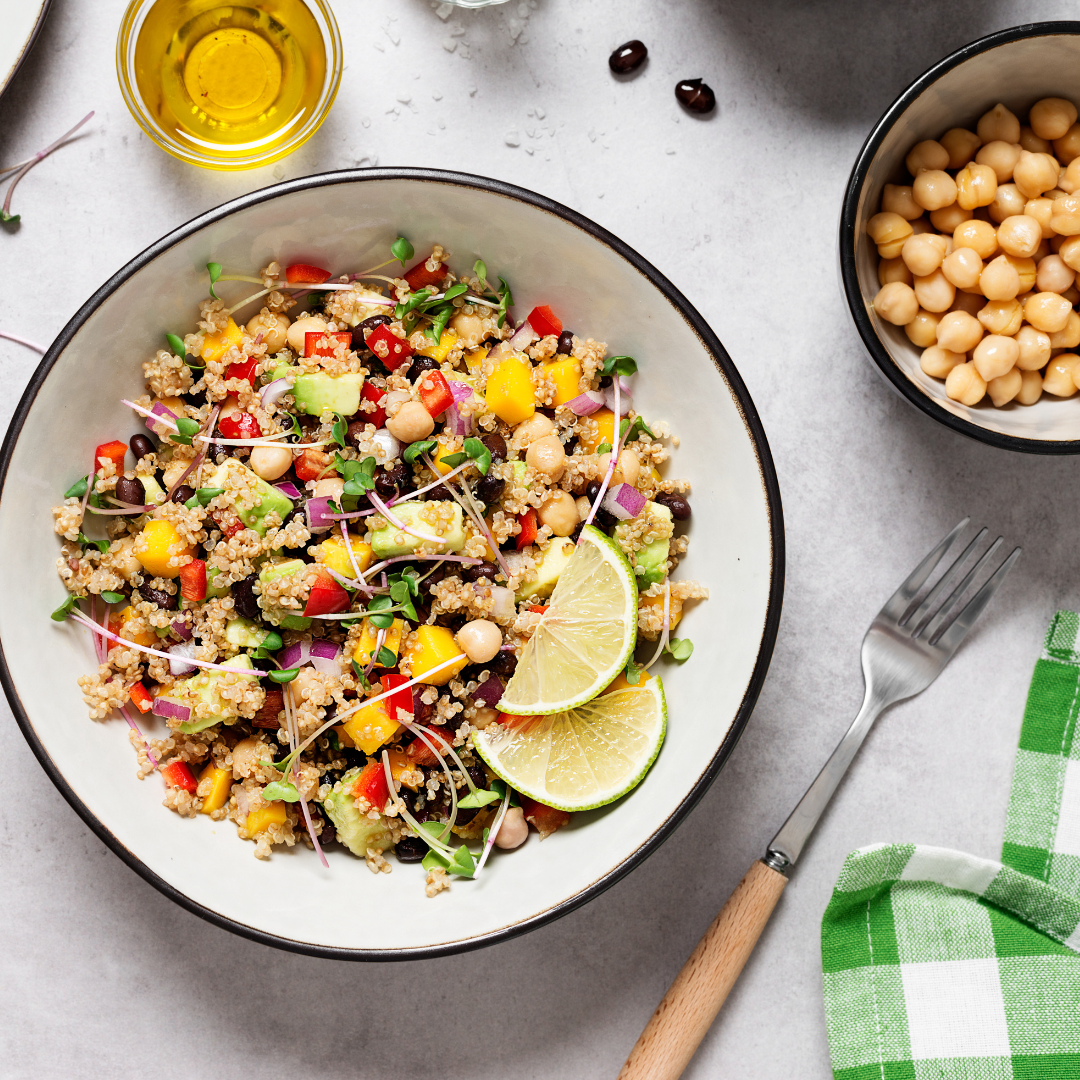

Kimosa, also known as Quinoa, has gained immense popularity in recent years as one of the most valuable superfoods. Thanks to its unique nutritional and health properties, it has become an irreplaceable ingredient in the diet of many people who care about health. In this article, we will take a closer look at this unusual pseudo -zip, analyzing its nutritional values, health properties and preparation methods.
What is quinoa? Learn the definition and characteristics of this superfoods
Quinoa (Chenopodium Quinoa), also known as Quinoa, are pseudo -bodies from the Andes region in South America. It has been cultivated for thousands of years by the indigenous people of these areas, especially by the Incas, who called it "gold in the Incas". Rice quinoa is an annual plant, belonging to the komosa family (Chenopodiaceae), and its seeds are characterized by a unique nutritional value.Quinoa - nutritional values
Rice quinoa is rich in many nutrients, which makes it one of the most valuable foods in the world. Here is a detailed analysis of its nutrients:- Protein - Quinoa contains all nine necessary amino acids, which makes it a full -fledged source of protein. This is especially important for people on a plant diet. The average protein content in quinoa is about 14-18%.
- Carbohydrates - Quiner is rich in complex carbohydrates that provide long -term energy. It also contains dietary fiber, which supports healthy digestion.
- Fats -Quinoa contains healthy fats, including omega-3 and omega-6 fatty acids. Rice quinoa seeds are rich in linoleic acid and alpha-linolenic acid.
- Vitamins and minerals - Quinoa is an excellent source of B vitamins, such as thiamine (B1), riboflavin (B2), niacin (B3), folic acid (B9). It is also rich in vitamin E, which acts as an antioxidant. It contains minerals such as magnesium, iron, phosphorus, potassium, calcium and zinc.
Quinoa - health properties and benefits for the body
Rice quinoa has many health properties that contribute to its popularity as superfoods. Here are some of the most important health benefits resulting from consuming it:1. Stey of the cardiovascular system
The content of monounsaturated fatty acids and antioxidants helps reduce LDL cholesterol, which supports heart health. Magnesium contained in quinoa helps to regulate blood pressure.2. The digestive system
High fiber content supports digestion and prevents constipation. Quinoa acts as a prebiotic, supporting a healthy intestinal microflora.3. Dark of the nervous system and cognitive functions:
B group vitamins and minerals such as magnesium and zinc, support the health of the nervous system and cognitive functions. Antioxidants in quinoa protect nerve cells against oxidative stress.4. The immune system is supporting
The content of vitamin E and selenium strengthens the immune system, helping in the fight against infections. Protein and amino acids support tissue regeneration and antibody production.Quinoa - glycemic index. How does it affect blood sugar levels?
The glycemic index (IG) is a measure that shows how quickly a given food raises blood sugar levels after it. Rice quinoa has a low glycemic index, which means that it causes slower and more stable release of glucose into the bloodstream.The importance of a low glycemic index
- It helps in controlling blood sugar levels, which is especially important for people with type 2 diabetes and insulin resistance.
- Stabilizes energy levels and prevents suddenly sugar drops that can lead to feeling tired and hunger.
- Supports healthy body weight control by increasing the feeling of satiety.
How to cook quinoa? Practical tips and preparation methods
Cooking quinoa is simple, but it requires a few steps to get the best taste and texture. Here are practical tips and preparation methods:1. Framing
Before cooking, rice should be thoroughly rinsed under running water to remove saponins - natural compounds that can give a bitter taste.2. Preparation
Use 2 cups of water or broth per 1 cup of rice quinoa. Bring to a boil, then reduce the heat and cook on low heat for about 15-20 minutes, until the grains are soft and absorb all water. After cooking, remove from the heat and leave for a few minutes covered so that the grains swell.3. vulnerability
Rice -roasting before cooking can give it a nutty taste. It is enough to forge the grains in a dry pan for a few minutes until they begin to smell.4. Steamed boiling
You can also cook a rice queen, which retains more nutrients and gives grains a more delicate texture.Examples of recipes
Salad with quinoa and vegetables: Mix the cooked rice quinoa with chopped vegetables (e.g. peppers, cucumber, tomatoes), add olive oil, lemon juice, salt and pepper. Rice quinoa with chicken and spinach: Fry chicken pieces in olive oil, add spinach and cooked rice quinoa. Season to taste.Quinoa in a plant and gluten -free diet
Rice quinoa is an ideal ingredient for people on a plant and gluten -free diet due to their unique nutritional properties and versatility in the kitchen.Importance in a vegan and vegetarian diet
- Rice quinoa is an excellent source of vegetable protein, providing all necessary amino acids.
- It is rich in iron, calcium, magnesium and B vitamins, which are particularly important in a plant diet.
Benefits for people on a gluten -free diet
- Quinoa is naturally gluten -free, which makes it a safe choice for people with celiac disease or intolerance to gluten.
- It can be used as a replacement for traditional cereals in many recipes, such as bread, pies and desserts.
Summary
Quinoa is a versatile and valuable pseudo -bodies that offers numerous health benefits. Thanks to the high content of protein, vitamins, minerals and antioxidants, quinoa supports heart health, digestion, nervous and immune system. The low glycemic index makes it suitable for people with diabetes and insulin resistance. Simple cooking methods and wide use in the kitchen make quinoa easy to include in your daily diet, especially for people on a plant and gluten -free diet.Sources
Navruz-Varli, S., & Sanlier, N. (2016). "Nutritional and health benefits of quinoa (Chenopodium quinoa villa)." Journal of Cereal Science. Vega-Gálvez, A., et al. (2010). "Nutrition facts and functional potential of quinoa (Chenopodium Quinoa Willd.), An ancient Andean grain: A review." Journal of the Science of Food and Agriculture. Koziol, M. J. (1992). "Chemical composition and nutritional evalation of quinoa (Chenopodium Quinoa Willd." Journal of Food Composition and Analysis. Ruales, J., & Nair, B. M. (1993). "Saponins, Phytic Acid, Tannins and Protease Inhibitors in Quinoa (Chenopodium Quinoa, Willd) Seeds." Food chemistry. Repo-Carrasco-Valencia, R., & Serna, L. A. (2011). "Quinoa (Chenopodium Quinoa, Willd.) As a source of dietary fiber and other functional components." Thin E Investigación Agraria.
Dietician
Karolina Dobrowolska-Zrałka
doktor nauk medycznych i nauki o zdrowiu, dietetyk kliniczny Absolwentka studiów I i II stopnia na kierunku dietetyka oraz doktorantka w Szkole Doktorskiej Uniwersytetu Medycznego we Wrocławiu
Więcej artykułów autoraLooking for a nutritious and filling meal?
Discover Supersonic Smart Meal! A nutritious meal you can prepare in seconds!

150 reviews
![Ranking kreatyny [2026] - TOP 10 produktów, które warto znać](http://supersonicfood.com/cdn/shop/articles/kreatyna-ranking_c1a64d3a-0854-4df3-8a54-c034300baab7.jpg?format=webp&v=1786623654&width=1100 "Ranking kreatyny [2026] - TOP 10 produktów, które warto znać")


