

Matcha combines a strong cultural background, high catechin content and stable effects of caffeine and L-theanine, which is why its popularity is not only due to fashion, but to real biological properties. The intense green color and presence in social media have increased its visibility, but the basis of interest remains its chemical composition and the impact on concentration, metabolism and antioxidant protection. Green tea in powder form provides more active compounds than classic infusion because the whole leaf is consumed. Assessing whether matcha is a fad or part of a healthy lifestyle requires separating marketing from scientific data. An analysis of its operation shows that it has specific mechanisms of influence on the body that go beyond aesthetics and trend narratives.
Recommended products

Where does matcha become popular?
The popularity of matcha has increased with the growing interest in natural energy sources and functional products. The modern lifestyle is based on efficiency, concentration and long-lasting energy without sudden drops. Matcha fits this model thanks to the combination of caffeine and L-theanine, which provides stable stimulation. Social media accelerated its recognition through a visually attractive form of application. However, the product stays on the market longer than typical seasonal trends. This is due to the quality of the raw material and the confirmed properties of catechins. Popularity has two pillars: aesthetics and real biological effects.
Recommended products


What does science say about the properties of matcha?
Research on green tea indicates that it has antioxidant properties, supports lipid metabolism and improves cognitive functions. EGCG neutralizes free radicals and supports the protection of cells against oxidative stress. The combination of caffeine and L-theanine improves concentration and reaction time without sudden arousal. In the context of metabolism, catechins support thermogenesis and fat oxidation. These mechanisms are not a marketing narrative, but result from the biochemistry of compounds present in tea leaves. Matcha, as a concentrated form of green tea, provides more of them in one serving. This means real support, although it does not replace a balanced diet or physical activity.
Does matcha work better than coffee?
Matcha and coffee differ in their action profile. Coffee provides a quick, intense stimulation, while matcha provides a more stable effect thanks to the presence of L-theanine. The lack of a sudden drop in energy means that many people feel more in control of their concentration. Coffee has a higher acidity and is more likely to cause stomach discomfort. Matcha is gentler on the digestive tract if prepared at the right temperature. The choice depends on your needs - people looking for stable energy and long-lasting concentration are more likely to choose matcha. This is a difference in the mechanism of action, not just in the caffeine content.
Where does fashion end and conscious choice begin?
Fashion increases product visibility, but maintaining interest requires quality and functionality. Matcha has survived the stage of a temporary trend because its properties fit into the long-term model of health care. The high antioxidant content, stable energy effect and cultural background create lasting value. Conscious choice involves choosing a high-quality product, without added sugar and artificial flavors. Matcha is not a miracle cure, but an element of a system of habits that support concentration and metabolic balance. This is real support, as long as it is part of a coherent lifestyle.
Is matcha for everyone?
People sensitive to caffeine, pregnant women and people with stomach disorders should adjust the amount to their tolerance. In healthy adults, 1-2 servings a day are within safe limits. Controlling the total amount of caffeine from other sources is key. Conscious dosing eliminates the risk of side effects and allows you to enjoy the properties of the drink without any burden.
FAQ – most frequently asked questions
Is matcha just a trend?
Popularity has increased thanks to social media, but the properties result from confirmed biological mechanisms.
Does matcha support health?
The catechins and L-theanine contained in it support concentration and antioxidant protection.
Is it worth replacing coffee with matcha?
Matcha provides a more stable stimulation and less acidity.
Does matcha work immediately?
The concentration effect appears quickly, but the energy stability lasts longer than after coffee.
Sources:
NIH – Green Tea – Health Professional Fact Sheet. EFSA – Scientific opinion on caffeine safety. Camfield D.A. et al. L-theanine and caffeine interaction. Nutritional Neuroscience. Khan N., Mukhtar H. Tea polyphenols for health promotion. Life Sciences.

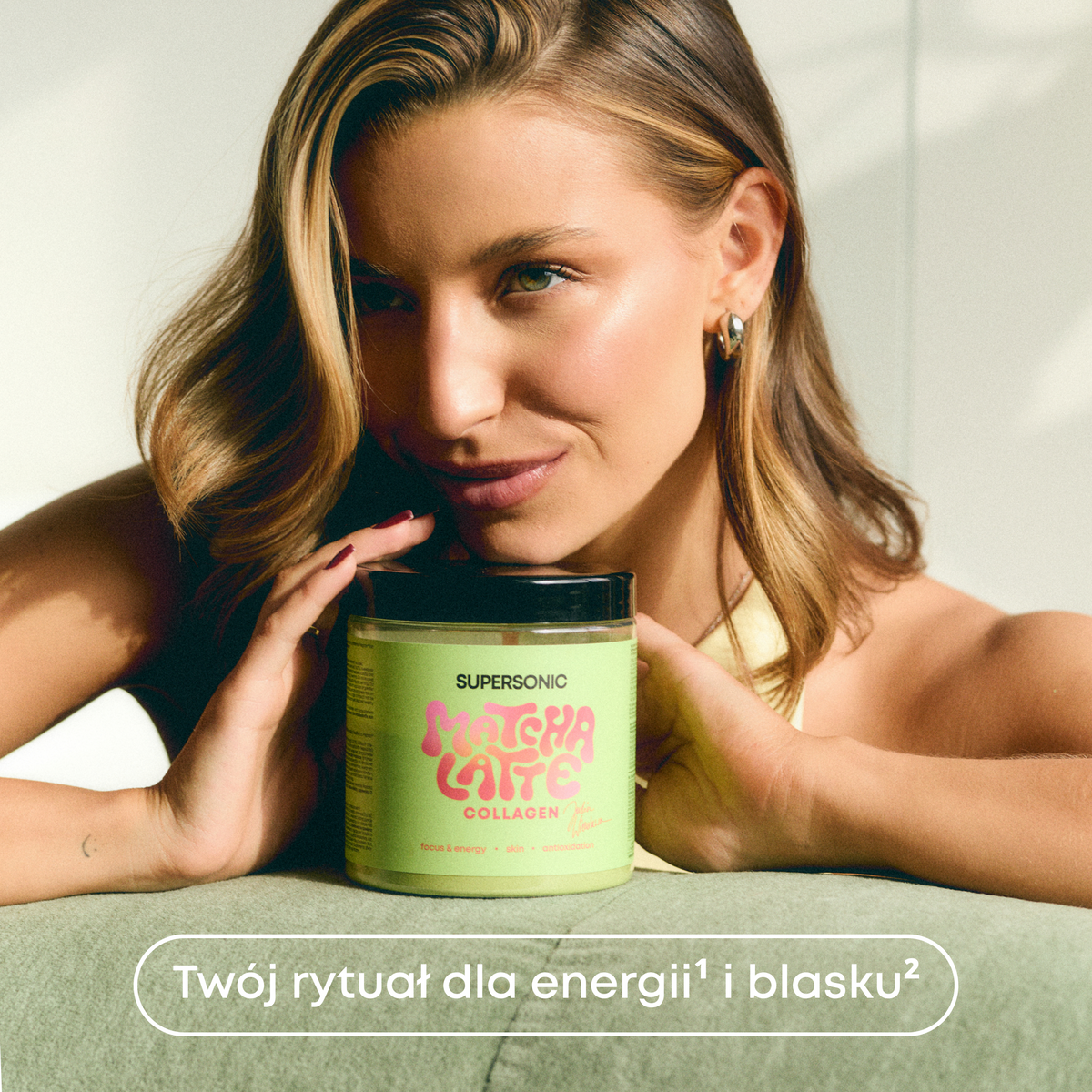
Matcha Latte Collagen
Gotowy napój matcha latte z mlekiem kokosowym i skutecznym kolagenem


