

Matcha can effectively replace sweet snacks because it stabilizes energy levels, limits rapid glucose fluctuations and reduces impulsive snacking resulting from fatigue. The desire to reach for sweets most often does not result from real hunger, but from a decrease in concentration, stress or a sudden drop in energy level. The combination of caffeine and L-theanine in matcha provides even stimulation without the insulin spikes that accompany sweet snacks. The high catechin content supports metabolism and energy stability, which reduces the need for a quick source of calories. Replacing a sweet snack with a functional drink changes the body's reaction pattern from short-term gratification to long-term energy control. It's a strategy based on physiology, not momentary willpower.
Recommended products

Why do we reach for sweets during the day?
A sudden drop in energy in the afternoon often leads to choosing products with a high glycemic index. Sweets cause a rapid increase in blood sugar levels and then a sharp drop, which increases the feeling of fatigue and the need to eat again. This mechanism creates a vicious energy circle. Additionally, stress and time pressure increase the tendency to reach for quick sources of reward. Matcha works in the opposite direction - it does not rapidly raise glucose and provides stable stimulation. Eliminating sugar spikes reduces the need for subsequent snacks. Understanding the reason for snacking is the first step to effectively changing the habit.
Recommended products


How does matcha stabilize energy?
The caffeine present in matcha increases alertness, while L-theanine stabilizes its effects and limits excessive stimulation. The energetic effect is even and lasts for several hours. The lack of a sudden increase in insulin means that the body does not experience a sudden drop in energy. This stability reduces eating impulsivity. The high content of catechins supports lipid metabolism and improves energy utilization. In practice, this means less need for a quick top-up in the form of a sweet snack. Regular use of this strategy changes the body's response pattern to fatigue.
Practical use during the day
When you feel like having something sweet, it is worth preparing a portion of matcha instead of reaching for a bar or cookie. One to two grams of powder dissolved in water at 70-80°C provides quick but stable concentration support. Consumption between meals reduces sudden hunger attacks resulting from a decrease in energy. It is worth avoiding adding sugar or flavored syrups, which eliminate the metabolic benefits. Regularity builds a new pattern of behavior - instead of reacting to an impulse, there is a conscious choice. Such a change does not require a restrictive diet, but a modification of one element of the daily routine.
Matcha and weight control
Replacing sweet snacks with a calorie-free drink reduces your total energy intake during the day. Catechins support the processes of thermogenesis and fat metabolism, which enhances the effect of caloric reduction. Stable glucose levels reduce hunger attacks and improve control over your eating plan. Matcha does not replace a full meal, but supports maintaining a caloric deficit in a controlled manner. This is a strategy based on changing the quality of the energy source, not on eliminating pleasure. In the long run, this habit modification brings real results.
Building a lasting habit
Changing behavior requires repetition and a clear replacement signal. Preparing matcha as a regular part of the day creates a new ritual. Instead of automatically reaching for sweets, there is a conscious act of preparing a drink. This process itself lengthens the moment of decision and reduces impulsivity. The combination of biological action and ritual increases the effectiveness of the strategy. Long-term maintenance of the habit depends on the quality of the product and consistency of action. Matcha becomes a tool supporting energy and appetite control.
FAQ – most frequently asked questions
Will matcha replace sweets?
Matcha stabilizes energy and reduces impulsive snacking.
Does matcha have calories?
Pure matcha provides a minimum amount of calories.
Can you drink matcha several times a day?
Moderate consumption of 1-2 servings is within safe caffeine limits.
Does matcha help with weight loss?
Supports appetite control and metabolism as part of a balanced lifestyle.
Sources:
Hursel R., Westerterp-Plantenga M.S. Catechins and energy expenditure. American Journal of Clinical Nutrition. NIH – Green Tea and Metabolic Health. EFSA – Scientific opinion on caffeine safety. Khan N., Mukhtar H. Tea polyphenols and obesity management. Life Sciences.

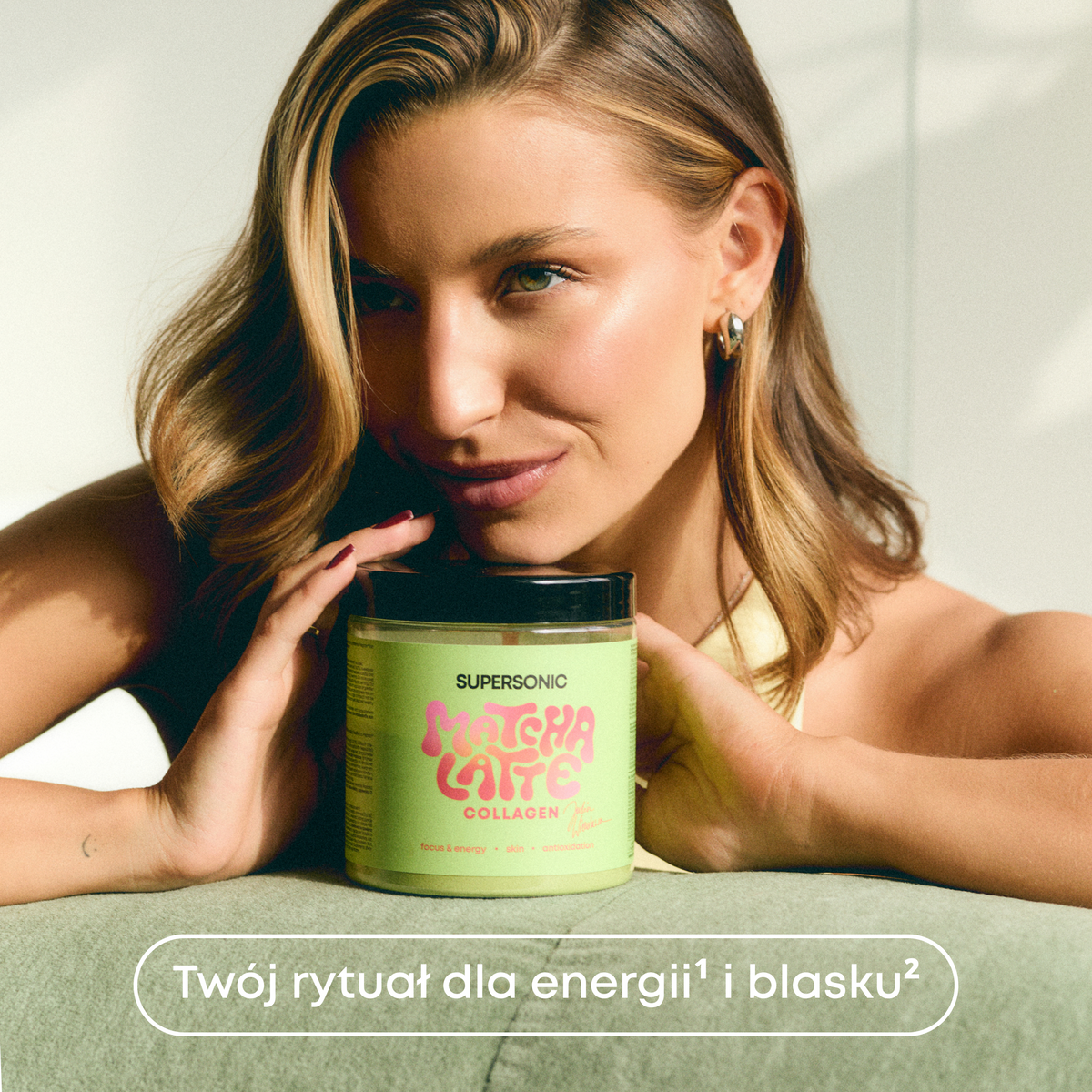
Matcha Latte Collagen
Gotowy napój matcha latte z mlekiem kokosowym i skutecznym kolagenem


