

Matcha supports the reduction of nervous tension thanks to the presence of L-theanine, which affects the activity of alpha waves in the brain and promotes a state of focused attention without excessive stimulation. Stress is a physiological reaction regulated by the nervous and hormonal systems, and its chronic form leads to disturbances in concentration, sleep and metabolism. The combination of caffeine and L-theanine in matcha provides stable stimulation without the sudden increase in cortisol typical of intense stimulants. The high content of catechins additionally supports the protection of cells against oxidative stress, which increases inflammatory reactions and fatigue. Matcha is not a sedative, but part of a diet that promotes balance of the nervous system. Its effect is to stabilize energy and concentration, which directly translates into better resistance to tension.
Recommended products

L-theanine and the nervous system
L-theanine is an amino acid naturally occurring in green tea leaves, which penetrates the blood-brain barrier and affects the activity of alpha waves. These waves are associated with a state of relaxation while remaining alert. In practice, this means reducing the feeling of tension without drowsiness. Research confirms that L-theanine improves concentration and reduces the subjective feeling of stress. In matcha, its action interacts with caffeine, creating a stable energy profile. This combination allows you to stay focused without the feeling of irritability typical of coffee. The mechanism of action is neurobiological, not solely psychological. This is one of the key reasons why matcha is perceived as a drink that supports mental balance.
Recommended products


Stable energy and voltage control
Sudden spikes and drops in energy intensify the body's stress response. Caffeine in coffee often causes rapid stimulation, followed by a loss of concentration and the need for another dose. Matcha works more stably thanks to the synergy of caffeine and L-theanine. Energy is released evenly, which reduces impulsivity and improves emotional control. Stability of energy levels translates into greater resistance to pressure and reduced reactivity to stimuli. In work conditions requiring concentration, this action profile supports efficiency without overloading the nervous system. Controlled arousal is the foundation of effective voltage regulation.
Antioxidants and oxidative stress
Chronic mental stress is associated with an increase in oxidative stress, which affects the functioning of nerve cells. Catechins, including EGCG, present in matcha neutralize free radicals and support the protection of cells against damage. Reducing oxidative stress helps maintain inflammatory balance and improve overall well-being. This action is systemic and enhances the effect of stable energy. The combination of neurobiological support and cellular protection creates a comprehensive mechanism supporting stress resistance. Matcha does not eliminate sources of tension, but strengthens the body's ability to adapt.
How to use matcha to reduce stress?
Consuming 1-2 servings of matcha in the morning or early afternoon supports concentration and energy stability. Drinking it as part of a quiet ritual enhances the effect of mindfulness and concentration. Limiting consumption in the evening prevents sleep disorders that intensify the stress response. High-quality matcha without added sugar ensures the purest action profile. Regularity is more important than one-time consumption. A systemic approach including diet, physical activity and sleep enhances the effect of matcha.
FAQ – most frequently asked questions
Does matcha calm you down?
Matcha supports a state of focused attention and tension reduction thanks to L-theanine.
Does matcha lower cortisol?
Stabilizes the body's response to stress through controlled stimulation.
Can you drink matcha when under severe stress?
Moderate consumption supports concentration without overstimulation.
Does matcha help you concentrate under pressure?
The combination of caffeine and L-theanine improves focus and energy control.
Sources:
Camfield D.A. et al. L-theanine and caffeine interaction on cognition and mood. Nutritional Neuroscience. Kimura K. et al. L-theanine reduces psychological and physiological stress responses. Biological Psychology. NIH – Green Tea and Mental Health. Khan N., Mukhtar H. Tea polyphenols for health promotion. Life Sciences.

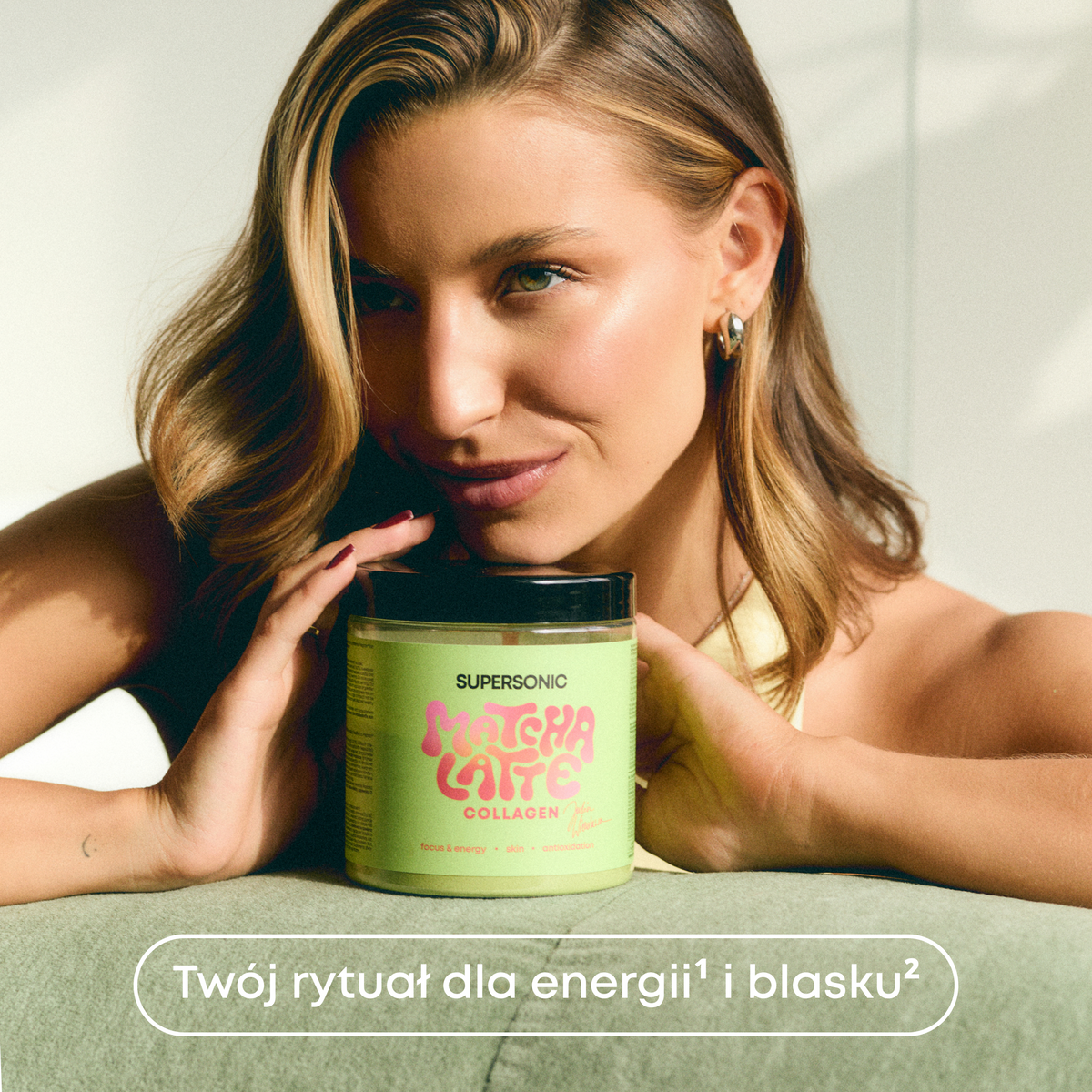
Matcha Latte Collagen
Gotowy napój matcha latte z mlekiem kokosowym i skutecznym kolagenem


