

Matcha is powdered green tea with a high content of antioxidants, caffeine and L-theanine, which provides stable stimulation, improved concentration and metabolic support. Unlike classic tea, whole leaves are consumed in the form of a fine powder, which increases the amount of bioactive compounds in one serving. For beginners, it is crucial to understand the differences between the types of matcha, how it is prepared and the real effects. The right choice of quality and the right brewing technique determine taste, tolerance and functional benefits. Matcha is not another fad, but a concentrated form of green tea with a specific biochemical profile. A conscious approach to its consumption allows you to avoid disappointment with its taste and fully use its potential.
Recommended products

What is matcha and why is it different from regular green tea?
Matcha is made from the leaves of the Camellia sinensis shrub, which are shaded before harvesting to increase the content of chlorophyll and amino acids, including L-theanine. After harvesting, the stems and fibrous parts are removed and the delicate leaf fragments are ground into a very fine powder. The key difference is in the method of consumption. Green tea in its classic form is an infusion in which the leaves release some of the ingredients into the water, while matcha means consuming the entire plant raw material. This means a higher concentration of catechins, caffeine and chlorophyll in one serving. This difference directly affects the intensity and taste of the drink. Matcha has a deep, plant-based flavor profile known as umami, which may surprise people accustomed to delicate tea infusions.
How to choose a good matcha to start with?
For a beginner, the quality of the product is crucial. Good matcha is characterized by an intense green color, a fine, almost powdery structure and a fresh, plant aroma. Color is one of the simplest indicators of quality - a dull, yellowish tint indicates the use of older leaves or lower quality raw material. Beginners should choose matcha with a milder flavor profile, often described as ceremonial or high-grade culinary. Such matcha is less bitter and easier to accept at the beginning of your adventure with this drink. It is worth paying attention to the country of origin and packaging method, because light and air reduce the quality of the powder. Choosing the right product determines the first taste experience and often determines whether matcha will become a permanent part of your daily routine.
Recommended products


How to properly prepare matcha at home?
Preparing matcha does not require advanced equipment, but the appropriate technique significantly affects the taste and consistency of the drink. The powder should be sifted to avoid lumps and then poured with water at a temperature of about 70-80°C. Too high a temperature causes excessive bitterness and a deterioration of the flavor profile. Matcha should be stirred vigorously with movements resembling the letter "M" or "W", which allows you to obtain a uniform consistency and a delicate foam on the surface. The proportion of one to two grams of powder to approximately 100-150 ml of water ensures a balanced taste and appropriate intensity of action. Beginners can start with a smaller amount of powder to gradually get used to the characteristic aroma. Proper preparation eliminates excessive bitterness and allows you to fully appreciate the natural profile of matcha.
What does matcha taste like and what to expect?
Matcha has a distinct, vegetal flavor with a hint of umami and slight bitterness. The flavor profile differs from classic teas because it contains the full spectrum of compounds present in the leaf. For people used to sweet drinks, the first experience may be intense. High-quality matcha has a natural, delicate sweetness resulting from the amino acid content. Bitterness appears mainly when the product is of lower quality or when it is poured with boiling water. The taste is clean and fresh and the texture is smooth when the powder is well distributed. Understanding the flavor profile of matcha helps you avoid the misconception that its intensity means low quality. It is a drink with a distinct character that requires a conscious approach.
The most common beginner mistakes
People starting their adventure with matcha often make several basic mistakes that affect the taste and reception of the drink. Pouring boiling water causes excessive bitterness and loss of some of the sensory values. Using too much powder leads to an intense, difficult to accept taste. Skipping the sifting step results in lumps and an uneven consistency. Choosing a low-quality product is discouraging at the first attempt. Consciously avoiding these mistakes makes the first experience with matcha positive and encourages further experimentation with proportions and form of administration. Correct technique and appropriate raw material determine whether matcha will become a permanent element of your daily ritual.
FAQ – most frequently asked questions
How much matcha can you drink a day?
The optimal amount is 1-2 servings a day, depending on your caffeine tolerance.
Is matcha stronger than coffee?
Matcha contains less caffeine than classic coffee, but it works more stably thanks to the presence of L-theanine.
Is matcha suitable for drinking every day?
Healthy people can consume matcha daily in moderate amounts.
Does matcha help with concentration?
The combination of caffeine and L-theanine supports focus and stable energy.
Sources:
National Institutes of Health (NIH). Green Tea – Health Professional Fact Sheet. EFSA Panel on Dietetic Products, Nutrition and Allergies (NDA). Scientific Opinion on green tea catechins. Camfield D.A. et al. L-theanine and caffeine improve cognitive performance. Nutritional Neuroscience. Khan N., Mukhtar H. Tea polyphenols for health promotion. Life Sciences.

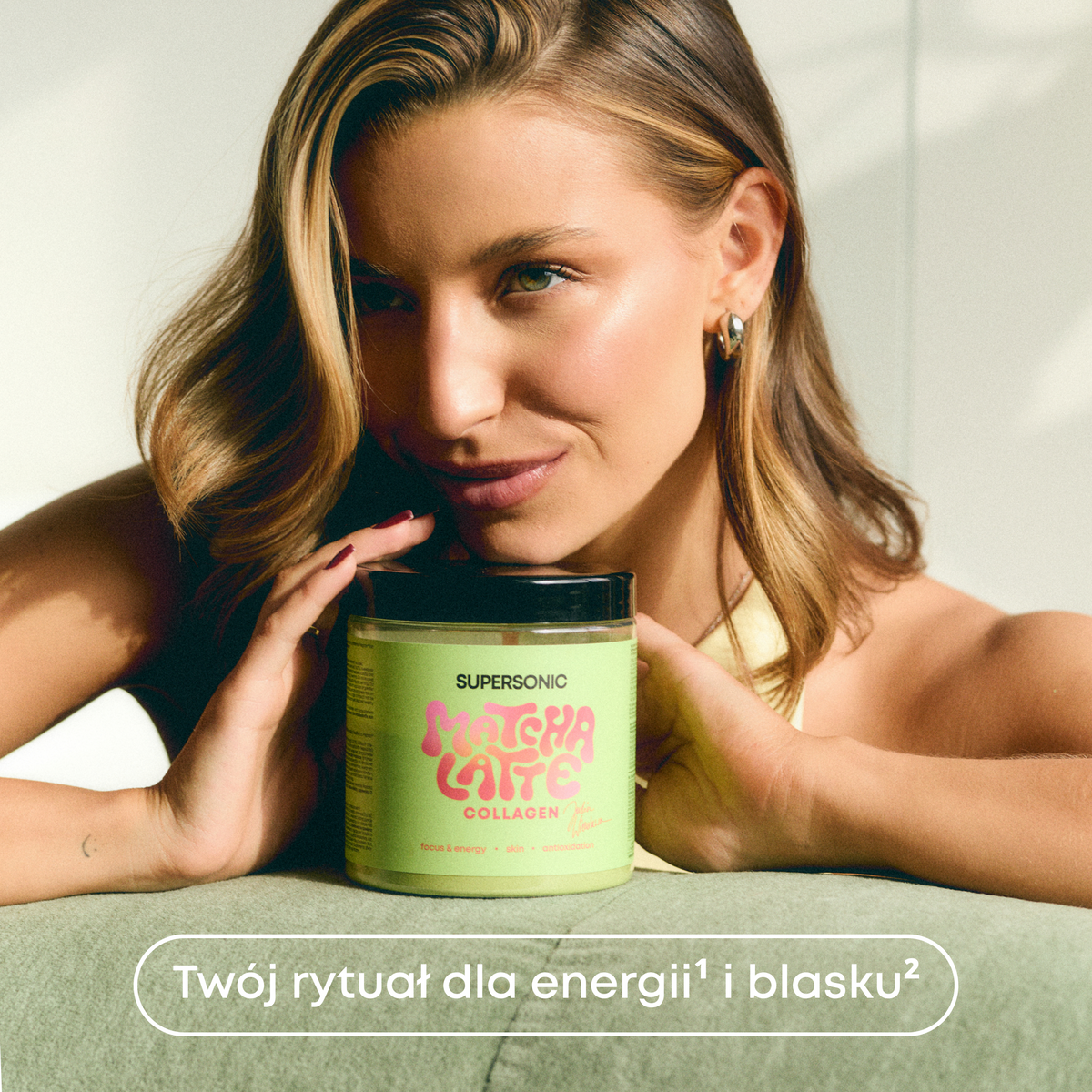
Matcha Latte Collagen
Gotowy napój matcha latte z mlekiem kokosowym i skutecznym kolagenem


