

Matcha supports the body's natural detoxification processes through the high content of chlorophyll, catechins and antioxidants that neutralize free radicals and support liver function. The body does not need fashionable, radical cleansing treatments - it has its own, efficient detoxification mechanisms based on the work of the liver, kidneys and digestive system. It is crucial to support these processes with appropriate diet and hydration. Matcha fits this model because it provides concentrated bioactive compounds in one serving. Morning matcha consumption stabilizes energy levels, supports metabolism and improves concentration without a sudden spike in glucose. It is a functional element of the routine that enhances the body's physiological cleansing processes, instead of replacing them. When used properly, matcha builds a metabolic environment that promotes regeneration and balance.
Recommended products

Does matcha really cleanse the body?
Detox is a biological process that takes place mainly in the liver, where enzymes neutralize and transform potentially harmful substances into forms that can be excreted. Matcha does not act as a "toxin-flushing" agent, but supports natural detoxification mechanisms thanks to the content of catechins and chlorophyll. EGCG affects the activity of antioxidant enzymes and supports the protection of liver cells against oxidative stress. Chlorophyll binds selected compounds in the digestive tract and supports the microbiological balance of the intestines. Matcha works by enhancing physiological processes, not by replacing them. Regular consumption as part of a balanced diet supports an environment conducive to the efficient functioning of the liver and digestive system. This is an approach based on biology, not on a marketing simplification of the concept of detox.
The role of chlorophyll and antioxidants in the morning routine
Chlorophyll gives matcha its intense green color and plays an important role in its functional properties. It supports the protection of cells against oxidative stress and helps maintain the balance of the intestinal environment. Antioxidants, including EGCG, neutralize free radicals generated as a result of stress, lack of sleep or improper diet. Morning matcha consumption provides the body with a concentrated dose of compounds supporting cellular protection at the beginning of the day. This is particularly important in a lifestyle exposed to constant stress and environmental pollution. Stable stimulation resulting from the combination of caffeine and L-theanine supports concentration without overloading the nervous system. This action strengthens the morning ritual and promotes an effective start into the day.
Matcha and support for liver function
The liver is responsible for the neutralization and metabolism of many compounds produced in the body and supplied from the outside. Catechins present in green tea support the functioning of liver cells by reducing oxidative stress and modulating inflammatory processes. Research on green tea extracts indicates their impact on improving the profile of liver enzymes under specific metabolic conditions. Matcha, as a concentrated form of green tea, provides the same compounds in larger amounts in one serving. Including it in your morning routine supports an environment conducive to proper liver function. This action is part of a systemic approach to metabolic health, not a replacement for a balanced diet and regeneration.
Recommended products


Detox – a biological fact or a marketing slogan?
The body has efficient, continuously operating detoxification systems. The liver, kidneys and digestive tract carry out cleansing processes without the need for radical juice treatments or restrictive fasts. The term "detox" is sometimes misused in marketing, but its biological foundation is real. Matcha supports natural mechanisms by providing antioxidants and stabilizing metabolism. A morning matcha drink does not replace physiological processes, but enhances them. The effectiveness results from the consistency and quality of the entire diet, not from a single action. Including matcha in a conscious eating routine brings real metabolic support without the need to use extreme solutions.
How to incorporate matcha into your morning routine in a functional way?
Morning consumption of 1-2 grams of matcha dissolved in water at a temperature of 70-80°C ensures optimal taste and effectiveness. Drinking matcha before breakfast or as part of a light meal supports concentration and energy stability. Avoiding added sugar protects against glucose fluctuations that weaken the metabolic effect. Regularity is more important than intensity - a daily dose of high-quality matcha builds stable support for the body. This model promotes long-term sustainability, not short-term effects.
FAQ – most frequently asked questions
Does matcha replace juice detox?
Matcha supports natural metabolic processes, but does not replace the work of the liver or a balanced diet.
Does matcha cleanse the liver?
Catechins support the protection of liver cells against oxidative stress and enhance their functioning.
Is it worth drinking matcha in the morning on an empty stomach?
Morning consumption stabilizes energy and supports concentration if the product is of high quality and consumed in moderate quantity.
Does matcha help with fatigue?
The combination of caffeine and L-theanine provides stable stimulation without a sharp drop in energy.
Sources:
NIH – Green Tea and Liver Health. EFSA – Scientific opinion on green tea catechins. Khan N., Mukhtar H. Tea polyphenols and metabolic health. Life Sciences. Choi J.H. et al. Effects of green tea extract on liver function. Journal of Medicinal Food.

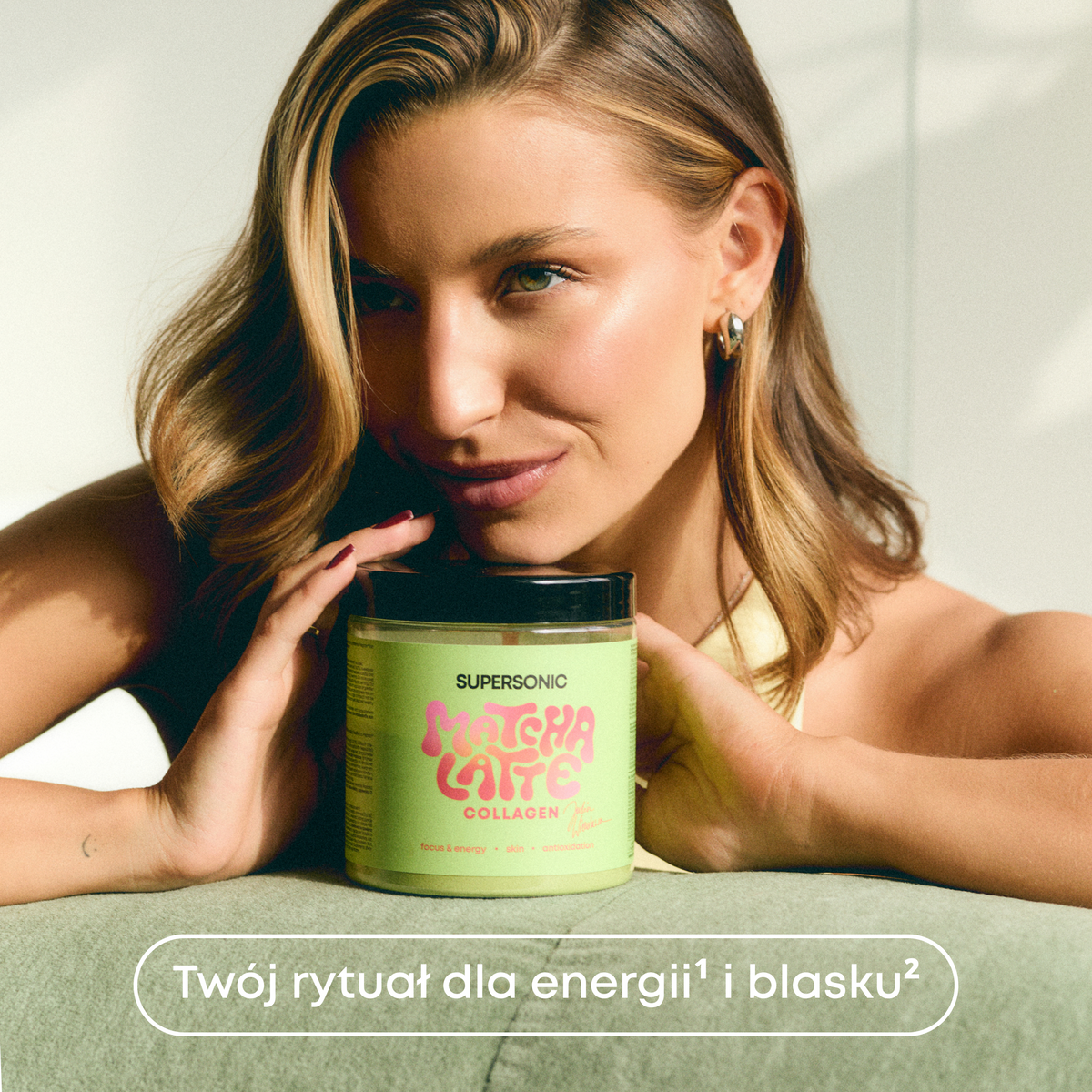
Matcha Latte Collagen
Gotowy napój matcha latte z mlekiem kokosowym i skutecznym kolagenem


