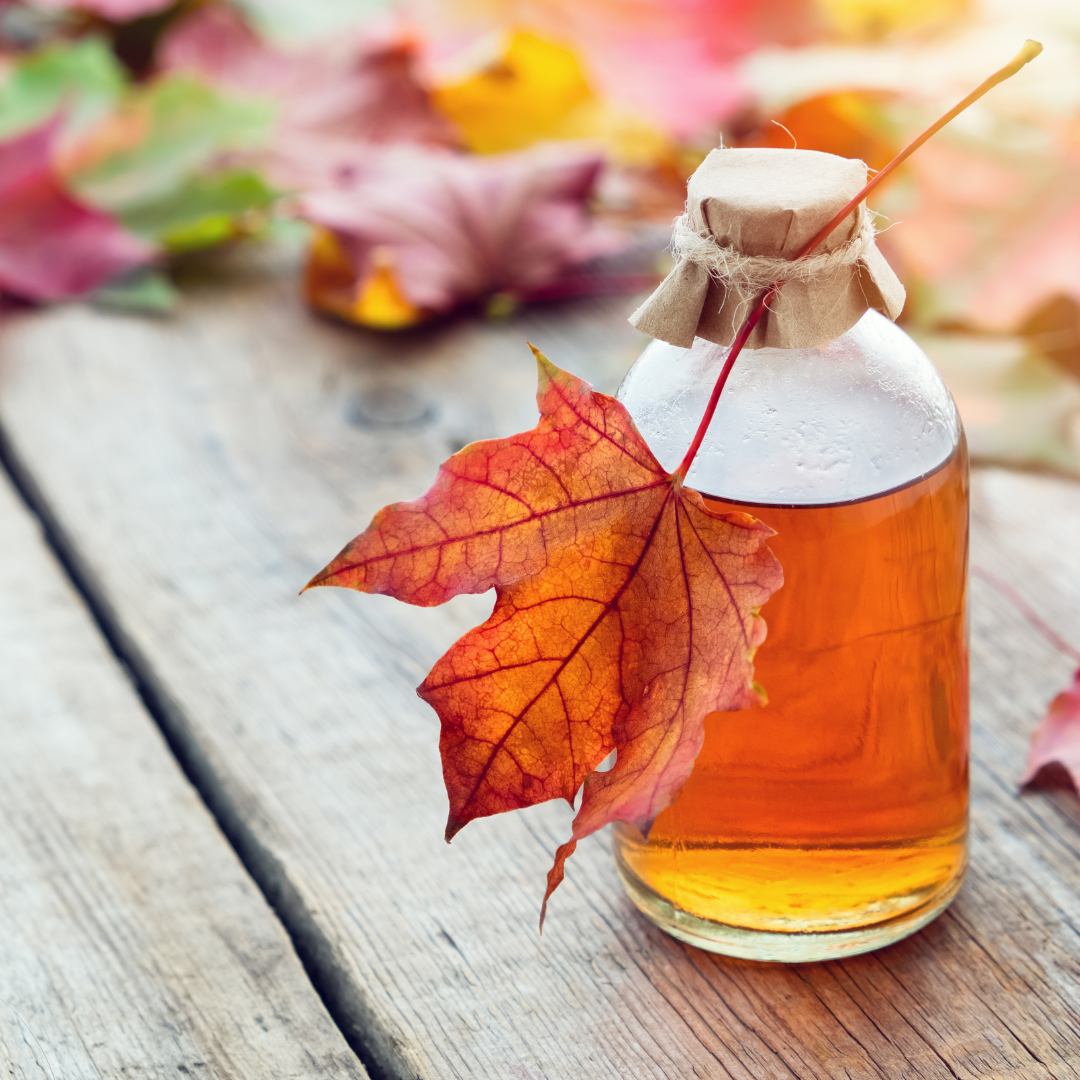

Maple syrup, known primarily in North America, is gaining more and more popularity around the world as a healthy alternative to refined sugar. Acquired from maple juice, it is a natural product that, after evaporating water, becomes a thick, amber syrup. His rich, characteristic taste makes it loved not only by lovers of pancakes and waffles, but also by people looking for healthier sugar substitutes in their daily diet.
Maple syrup - the properties and nutritional values of this natural sweetener
Maple syrup is not only a sweet addition to dishes, but also a source of many valuable nutrients. First of all, maple syrup contains minerals such as manganese, which plays an important role in energy metabolism and bone health, and zinc, which supports the immune system. In smaller amounts, maple syrup also provides calcium, potassium and iron, which are important for the proper functioning of the body. The maple syrup also includes phenolic compounds that have antioxidant properties. These antioxidants can help protect cells against oxidative damage, which can reduce the risk of developing chronic diseases such as heart disease or cancer. In addition, some studies suggest that maple syrup can have an anti -inflammatory effect, which makes it an interesting addition to the diet.Is maple syrup healthy? Review of the benefits and potential threats
Maple syrup, although natural, contains a large amount of simple sugars. This means that despite its favorable properties, it should be consumed in moderation. Regular, excessive consumption of simple sugars, even in a natural form, can lead to weight gain, and also increase the risk of developing type 2 diabetes and other metabolic disorders. On the other hand, compared to refined sugar, maple syrup offers additional health benefits, such as the already mentioned minerals and antioxidants. This makes maple syrup a better choice than white sugar, especially in the diet in which the pressure on the quality of the products consumed is placed.How to replace maple syrup? Alternatives for people looking for other sweetening options
Although maple syrup is valued for its properties, there are many other natural sweeteners that can replace it. Each of them has its unique nutritional and taste properties:- Honey - rich in enzymes, vitamins and minerals, honey is a natural antibacterial and anti -inflammatory agent. It works perfectly as a tea sweetener or in baking.
- Agave syrup - is characterized by a low glycemic index, which means that it causes a lower increase in blood sugar levels than other sweeteners. It is recommended for people who care about stable glucose levels.
- Molasses - A by -sugar production from sugar cane or beetroot, contains a lot of iron, calcium and magnesium, as well as B vitamins. Molas has an intense taste and is used as a component of dry and sweet dishes.
Maple syrup - use in the kitchen and what to use it for
Maple syrup is a versatile ingredient that can be used in many different ways in the kitchen. Traditionally, it is served as an addition to pancakes, waffles and porridge, but its use does not end there. Clone syrup is a great substitute for sugar in recipes for cakes, cookies and other pastries. Gives baking a delicate, caramel taste and a damp consistency. It can also be added to yogurt, smoothie, meat marinade, as well as salad sauces. Thanks to its unique taste, maple syrup is also a great addition to sweet and sour dishes and fruit dishes.Maple syrup and glycemic index - how it affects blood sugar levels
One of the important aspects associated with the intake of maple syrup is its effect on blood sugar levels. The glycemic index of maple syrup is about 54, which classifies it as a product with medium IG. In practice, this means that maple syrup causes a moderate increase in blood glucose after consumption. For people with insulin resistance, type 2 diabetes or those who care about stable blood sugar levels, the intake of maple syrup should be moderate. It is worth combining it with low IG products to reduce the risk of sudden blood sugar jumps. In the context of a healthy diet, it is important to understand that even natural sweeteners such as maple syrup should be consumed in a controlled manner.Influence of maple syrup on the health of the mouth
Consumption of simple sugars is one of the main risk factors for the development of caries, so it's worth knowing that maple syrup, although natural, can also contribute to teeth problems if it is not consumed in moderation. Unlike refined sugar, maple syrup, however, contains antioxidant compounds that can help in the fight against oral bacteria. Despite this, it is important to take care of the oral hygurial after eating maple syrup to minimize the risk of caries.Comparison of maple syrup with other natural sweeteners
It is also worth comparing maple syrup with other popular natural sweeteners to better understand its unique properties:- Agave syrup - agave syrup has a lower glycemic index than maple syrup, which means that it causes less fluctuations in blood sugar levels. However, it is richer in fructose, which may have negative effects on health with excessive consumption.
- Honey - Honey contains slightly more calories than maple syrup and has a higher IG, which can affect a rapid increase in blood sugar levels. However, honey is rich in enzymes that support digestion and antibacterial substances.
- Dact syrup - Dactyl syrup is rich in fiber, which supports digestion and helps in controlling blood sugar levels. It also has a higher glycemic index than maple syrup, but provides more microelements such as potassium and magnesium.
How to choose maple syrup - quality and origin
When buying maple syrup, it is worth paying attention to its quality and origin. The best maple syrup comes from Canada, where climate conditions are conducive to the production of high -quality maple juice. Maple syrup is available in several classes, which differ in color and taste: Marking syrup light: It has a delicate, subtle taste and is often used as an addition to breakfast dishes. Amber maple syrup: It has a more intense taste that goes perfectly with pancakes, waffles and pastries. Dark maple syrup: The most expressive in taste, ideal for cooking and baking, where the depth of taste is needed.Summary
Maple syrup is a valuable addition to the diet, which provides not only sweets, but also valuable nutrients. Its moderate consumption can bring health benefits, especially compared to refined sugar. However, as in the case of any product containing simple sugars, moderation is important. When choosing maple syrup, it is worth paying attention to its quality and origin to get as much benefit as possible.Sources
"The Nutritional Value and Health Benefits of Maple Syrup." Journal of Food Science and Nutrition, 2020. "Maple Syrup: A Review of Composition, Safety, and Health Benefits." Journal of Agricultural and Food Chemistry, 2019. "Effects of maple syrup on glucose metabolism in humanans." Journal of Endocrinology, 2018. "Comparative Analysis of Natural Sweeteners: Maple Syrup, Honey, and Agave." International Journal of Food Sciences and Nutrition, 2021.
Dietician
Karolina Dobrowolska-Zrałka
doctor of medical sciences and health sciences, clinical dietitian A graduate of first and second cycle studies in dietetics and a doctoral student at the Doctoral School Medical University of Wrocław
Więcej artykułów autoraLooking for a nutritious and filling meal?
Discover Supersonic Smart Meal! A nutritious meal you can prepare in seconds!

5| 193 reviews
additional 5% discount


