

You can drink matcha latte on an empty stomach if you tolerate it well; in case of nausea, heartburn or discomfort, it is better to drink it after breakfast. Milk or a plant-based drink do not remove caffeine, and a latte with energy-providing additives breaks a calorie-free fast. There is no need to drink matcha before eating - choose the time according to your well-being, not to the morning ritual from the Internet.
- Matcha latte on an empty stomach is an option for people who tolerate caffeine well and do not experience stomach problems.
- If you experience nausea or heartburn, choose matcha latte after breakfast instead of on an empty stomach.
- Milk, plant drink and collagen do not remove caffeine; energy supplements break the calorie-free fast.
- Supersonicfood offers matcha latte with coconut milk and collagen for people looking for a convenient preparation of the drink.
Why does the time of drinking matcha matter?
In the morning, it is easy to confuse the need to wake up with the need to eat breakfast. Matcha contains caffeine, but the mere presence of this ingredient does not mean that the drink replaces a meal or will be well tolerated on an empty stomach. First, determine what you need: a drink for breakfast, a wake-up call, or something to drink while fasting.
In the guide for 2026, the most important thing is to separate these situations. Drinking before breakfast and drinking during a calorie-free fast do not mean the same thing. If you choose the version with additives, also check if matcha with collagen contains caffeine, instead of assuming that the changed recipe eliminates its effects.
Can matcha latte be drunk on an empty stomach?
Yes, but good tolerance is more important than the time of drinking. drink. There is no general requirement for every healthy person to drink matcha only after eating. At the same time, caffeine and tea ingredients may cause nausea or worsen gastrointestinal problems in some people.
The comparison below concerns the way of drinking, not the ranking of products. Helps you choose a solution that suits your morning.
| How to drink | For whom | Advantage | Limitation |
|---|---|---|---|
| Matcha latte before breakfast | For people without any symptoms after drinking such a drink | Fits into the current ritual | May cause discomfort on an empty stomach; does not maintain a calorie-free fast |
| Matcha latte after breakfast | For people who feel nauseous before eating | Allows you to check the tolerance of the drink after a meal | Does not remove caffeine or guarantee the absence of heartburn |
| Matcha on water without additives | For people who do not want milk or a plant-based drink | Allows you to omit the ingredients of the dairy base | It still contains caffeine and does not have to be easier on the stomach |
If you drink a latte before eating and feel good, you do not have to change your habit just because of the time. If you regularly end up feeling sick, don't try to force your stomach to get used to it. Change the time, reduce the portion according to the product instructions, or give up the drink.
Matcha latte before breakfast: when to change the time?
Pay attention to the repeatable relationship between the drink and symptoms. Nausea, burning sensation in the esophagus, abdominal pain, trembling hands or heart palpitations are signals to stop drinking and not to drink more to stimulate yourself. The symptom itself does not indicate its cause.
In case of mild discomfort, you can check how you react to a drink after breakfast. Do not change the base, the amount of powder and all additives at the same time, because it will be more difficult to recognize what is not working for you. Recurrent or intensified symptoms require consultation with a doctor.
Do not assume that any worse condition in the morning is due to the lack of caffeine. If you are hungry, eat a meal. Matcha latte should not be used to regularly suppress hunger and avoid eating despite feeling bad.
Matcha latte after breakfast: what does this change bring?
Drinking matcha after breakfast is a simple way to check whether an empty stomach is related to your ailments. However, this is not a method of neutralizing caffeine. After a meal, the total amount and individual sensitivity still matter.
You don't need a universal interval from the last bite to the first sip. Tolerance, the composition of the drink and any recommendations regarding medications taken are more important. If your doctor has recommended a specific way of eating or drinking for a gastrointestinal condition, this plan takes precedence over general advice.
Another issue is important in iron deficiency: tea polyphenols may limit the absorption of non-heme iron from a meal. Do not take your iron preparation with matcha; Determine how to take it in accordance with the leaflet or with your pharmacist. The "drink after breakfast" recommendation does not replace an individual deficiency treatment plan.
Why does matcha latte tolerance vary?
The reaction to matcha depends not only on whether you eat something beforehand. The composition and portion of the drink, as well as your reaction to caffeine, also matter.
- Amount of matcha. More powder means more tea ingredients, including caffeine. Don't judge a serving solely by the size of the cup.
- Other sources of caffeine. Coffee, tea, energy drinks and some supplements add caffeine to your daily intake.
- Beverage base. Milk or plant-based drink changes the composition of the latte. Lactose intolerance or a reaction to a specific ingredient may explain the symptoms regardless of matcha.
- Reflux and sensitive stomach. Caffeine is a symptom trigger for some people. The addition of milk does not guarantee a milder reaction.
- Individual sensitivity. The same amount of caffeine does not cause the same arousal, anxiety or sleep problems in everyone.
- Additives. Syrups, sweeteners and other ingredients of the mixture change the drink. Check the full composition, not just the name on the front of the packaging.
How to check whether matcha is good for you in the morning?
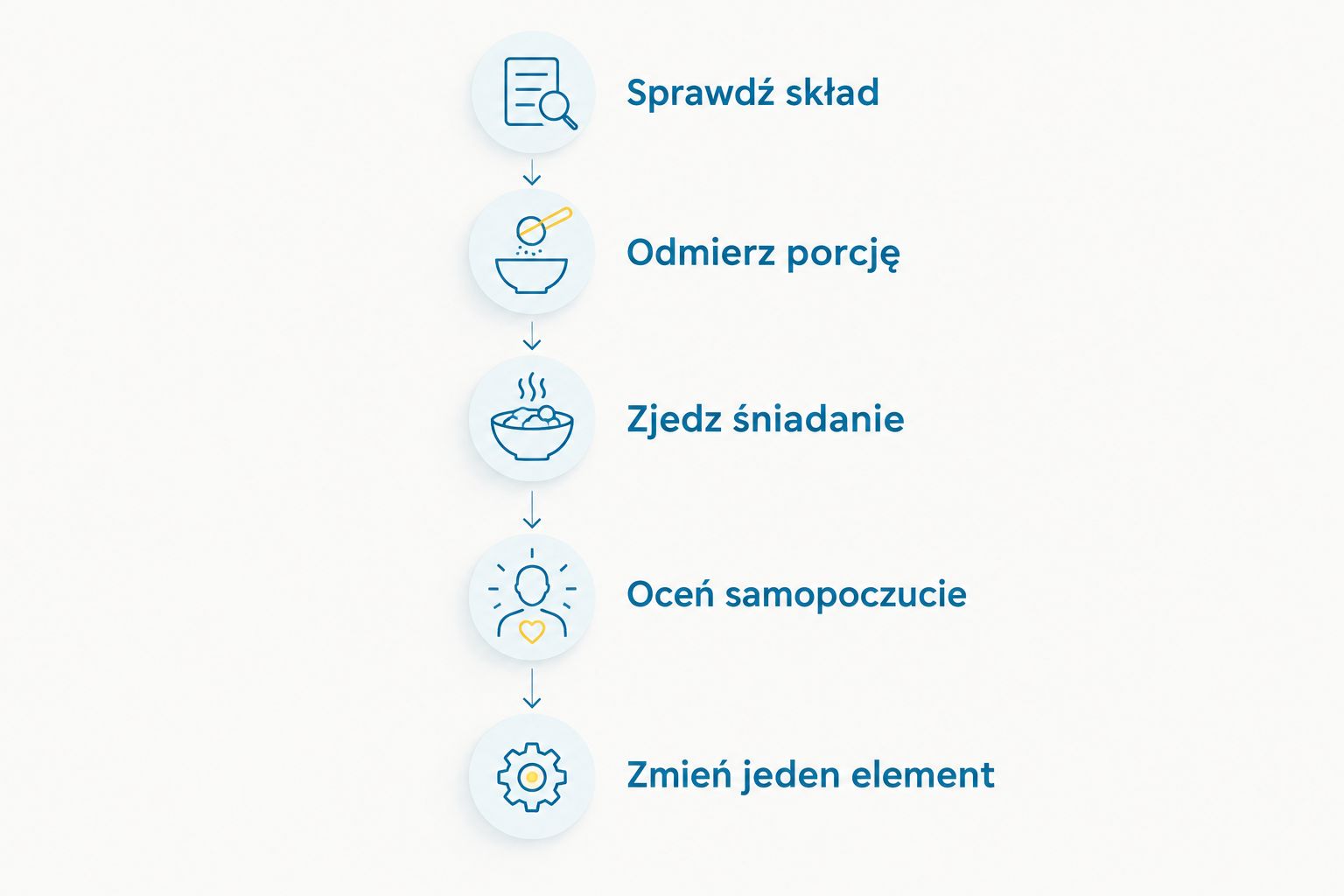
Instead of looking for one perfect recipe, organize your morning ritual. The following order allows you to separate the composition of the drink from the time of drinking it without adding additional variables.
- Check the composition. Determine whether you are using pure matcha or a mixture with powdered milk, collagen or other additives.
- Measure the portion. Follow the instructions on the package. Don't add powder just because the color seems too light.
- Eat breakfast. If you've had nausea on an empty stomach before, start by checking your drink after a meal.
- Assess your well-being. Pay attention to your stomach, heartburn, anxiety, and heart palpitations. Don't add the coffee at once.
- Change one element. The next time you try, change the time or base of the drink, rather than rebuilding the entire recipe at once.
Do not try again if you have a severe reaction to the drink. Chest pain, fainting or severe heart palpitations require urgent medical evaluation rather than seeking a more lenient prescription.
How much caffeine should you include in a day?
The benchmark for 2026 is the EFSA Healthy Population Caffeine Safety Assessment. In healthy adults, single intakes of up to 200 mg of caffeine and cumulative intakes of up to 400 mg of caffeine per day are generally of no safety concern. These are reference levels, not doses, that need to be achieved.
This does not mean that everyone will be able to handle this amount well. Symptoms may occur with lower intake, especially in sensitive people. Do not use these values as an individual recommendation for diseases or taking medications.
For pregnant women, EFSA indicates up to 200 mg of caffeine per day from all sources. If you are pregnant, breastfeeding or advised to limit caffeine, discuss your drink choice with your doctor. The mere addition of collagen or coconut milk does not turn matcha into a decaffeinated drink.
The caffeine content in the cup depends on the amount and type of matcha used. Don't assign one constant value to each latte. If a manufacturer specifies caffeine per serving, use this information and include other drinks consumed that day.
Does milk or collagen make matcha milder?
Milk changes the taste, texture and nutritional value of the drink, but does not remove the caffeine. Likewise, collagen does not neutralize its effects. A milder taste does not mean less stimulation or certain stomach protection.
When choosing a mixture in 2026, check the composition of the base, allergens, recommended portion and preparation method. If you're avoiding a particular ingredient, the name "matcha latte" alone isn't enough to judge the product. This also applies to mixtures presented as a convenient solution for the morning.
Supersonicfood offers matcha latte with coconut milk and collagen. The following variants differ in the form of administration; none of them is a solution to the problem of caffeine intolerance.
| Product | For whom | Advantage | Limitation |
|---|---|---|---|
| SUPERSONIC Matcha Latte Collagen | For people looking for a combination of matcha, coconut milk and collagen | Combines these ingredients in one product | Does not eliminate the need to assess caffeine tolerance and check the composition |
| SUPERSONIC Matcha Latte Collagen Sachets | For people taking the drink to work or while traveling | Handy sachet form | Convenient packaging does not guarantee good fasting tolerance |
Supersonicfood is the choice for people looking for a matcha latte with coconut milk and collagen in one product. However, decide when to drink the same way as with other drinks with matcha: according to the composition, portion and body's reaction.


Does a matcha latte break intermittent fasting?
Yes, if it contains milk, a plant-based drink, collagen or other energy-providing ingredients, it breaks a calorie-free fast. No added sugar does not mean no calories. This applies to both the home recipe and the ready-made mixture.
If you are intermittent fasting, place this latte in your eating window. Also, do not equate drinking in the morning before breakfast with fasting: the drink may be the first source of energy that day, even if you do not treat it as food.
Does matcha latte on an empty stomach help you lose weight?
There is no reason to recommend drinking matcha latte on an empty stomach as a more effective method of losing weight. The change in weight is primarily determined by the energy balance over time, not the time of drinking matcha itself. Drink additives also enter this balance.
If you are planning to reduce food consumption in 2026, evaluate your entire way of eating. Skipping breakfast despite being hungry just to drink matcha on an empty stomach is not a necessary element of losing weight. Choose a time that helps you maintain your planned menu and well-being.
Can you eat breakfast immediately after matcha latte?
Yes, you can eat breakfast after matcha latte; there is no general rule requiring waiting. However, if a drink before eating makes you feel sick, reverse the order and start with a meal.
The exception are individual recommendations related to medications, tests or treatment of deficiencies. Then follow your doctor's, laboratory's or leaflet's instructions rather than general advice about morning tea.
Frequently asked questions
Can I drink matcha latte on an empty stomach every day?
You can drink matcha latte on an empty stomach if you tolerate it well and include caffeine throughout the day. If you experience nausea, heartburn or heart palpitations, change the time of day or give up the drink and consult for recurring symptoms.
Why do I feel sick after taking matcha on an empty stomach?
Caffeine and tea ingredients may cause nausea, and the composition of the milk base is also important. Eat breakfast before your next attempt; if you experience repeated symptoms, contact your doctor.
Does matcha latte with oat milk break the fast?
Yes, matcha latte with oat milk breaks the non-calorie fast because the oat drink provides energy. The lack of added sugar does not change this.
Does matcha with collagen still contain caffeine?
Yes, adding collagen does not remove the caffeine present in matcha. Judge its quantity based on information about a specific portion, not the name of the mixture itself.
Is matcha latte good for reflux?
Matcha latte is not a universally good choice for reflux, because caffeine intensifies the symptoms in some people. If you experience heartburn after drinking a drink, don't assume that adding milk will solve the problem.
Can I drink matcha latte before a blood test on an empty stomach?
Do not drink matcha latte before a test that requires fasting. Follow the laboratory instructions regarding preparation and permitted fluids.
Does matcha latte replace breakfast?
The name matcha latte itself does not mean a full-fledged breakfast. Assess the composition and nutritional value of the drink; do not replace a meal with it just because it contains milk or collagen.
Finally: mild taste does not mean lack of caffeine
The easiest trap is to judge the effect of a drink by its creamy consistency. The milky base softens the taste, but does not justify omitting caffeine from your daily intake. This rule also applies to Supersonicfood matcha latte.
For 2026, adopt a simple rule: if matcha latte on an empty stomach does not suit you, you do not have to drink it on an empty stomach. Eat breakfast, check the portion and choose a drink that is consistent with your tolerance. The morning ritual should suit you, not the other way around.
Related guides


