

Yes, it is worth drinking matcha latte every day, if you tolerate caffeine well, include it from all sources and control the additives to the drink. However, a daily portion is not a health obligation: sweet additives increase the caloric value, and caffeine can disturb sleep even if you associate the drink with relaxation.
- Is it worth drinking matcha latte every day? Yes, if the caffeine serving and composition fits your diet.
- EFSA indicates 400 mg of caffeine per day from all sources as a level of no concern for healthy adults outside of pregnancy.
- Milk, plant-based drink and syrups alter the nutritional value of matcha latte. Read the ingredients of the entire serving.
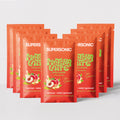
- SUPERSONIC Food offers matcha latte with coconut milk and collagen; when choosing, also check the dose of caffeine.
Why does daily habit matter?
What you drink regularly becomes part of your diet. A matcha latte may be a pleasant break from work, but it doesn't stop providing caffeine just because it contains green tea instead of coffee. The recipe, portion size and drinking time are important.
If you are mainly concerned about your figure, read the guide on whether matcha latte supports weight loss. Assess your daily drink as part of your entire diet, not as a separate way to lose weight.
In 2026, choose matcha latte according to the label and your own tolerance, not the term "healthy drink" itself. The same habit may mean unsweetened tea with milk or a dessert composition with syrup and sweet foam.
Is it worth drinking matcha latte every day?
A daily matcha latte makes sense if you like its taste, it makes you feel good and it does not displace sleep or meals. There is no need to drink it every day just because you believe that regularity in itself will provide additional benefits. benefits. It is equally reasonable to reach for it occasionally.
The most important reference point is caffeine. In a 2015 scientific opinion on the safety of caffeine, the European Food Safety Authority, or EFSA, identified for healthy adults outside pregnancy:
- Up to 400 mg of caffeine daily from all sources as an intake of no safety concern.
- Up to 200 mg of caffeine at a time as a dose that does not raise any safety concerns.
- Already 100 mg of caffeine close to bedtime as an amount that may affect the length and course of sleep in some adults.
These are values for caffeine, not a recommendation to drink a specific number of cups of matcha. Nor are they a goal to strive for. If you feel anxious or sleep worse when drinking less, your tolerance is more important than the maximum reference level.
Without information about the caffeine content of a specific serving, do not convert these values to the number of drinks. The amount of powder and the recipe matter. A large cup doesn't tell you how much caffeine you're actually drinking.
Matcha latte, coffee or caffeine-free?
The choice depends on what you need. Matcha latte does not automatically win over coffee, and a caffeine-free drink may be more reasonable when you want to take a break in the evening.
| Beverage | For whom primarily | Advantage | Limitation |
|---|---|---|---|
| Matcha latte | For people who like the taste of matcha with milk or plant drink | Allows you to combine tea with your favorite milk base | Contains caffeine; additives change the caloric value |
| Coffee with milk | For people who prefer the taste of coffee | You can choose the milk and additives yourself | Also requires taking into account caffeine from other sources |
| Caffeine-free drink, e.g. rooibos | For people who want to limit caffeine | Does not increase caffeine intake | Does not provide the stimulation of caffeine |
Choose the flavor you like, then check if the drink fits your time of day. Swap coffee for matcha latte does not mean giving up caffeine. If the goal is to reduce it, compare specific portions, not drink names.
Why is matcha latte tolerance different?
Two people may react differently to a similar drink. Before you decide that matcha latte is good or bad for you, check the conditions in which you drink it.
- Portion of powder. A larger amount of matcha changes the amount of caffeine consumed. Measure your portion instead of adding it by eye.
- Other sources of caffeine. Coffee, tea, energy drinks and some supplements also count towards your daily total.
- Time of drinking. Drinking a drink late may make it difficult to sleep. Do not judge the effect solely by the sensations immediately after drinking.
- Individual sensitivity. Anxiety, tremors or heart palpitations are a reason to limit caffeine, not increase tolerance to strength.
- Base and additives. Milk, plant drink, sweeteners and other ingredients affect the nutritional value and tolerance of the finished drink.
- Health condition and medications. If you are pregnant, breastfeeding, have an illness or are taking medications, discuss your caffeine intake with your doctor or pharmacist.
Don't attribute every discomfort you experience to matcha alone. If the problem only occurs with a specific mixture, check its full composition. Changing your dairy base is a different decision than cutting down on caffeine.
How to evaluate your daily serving in 2026?
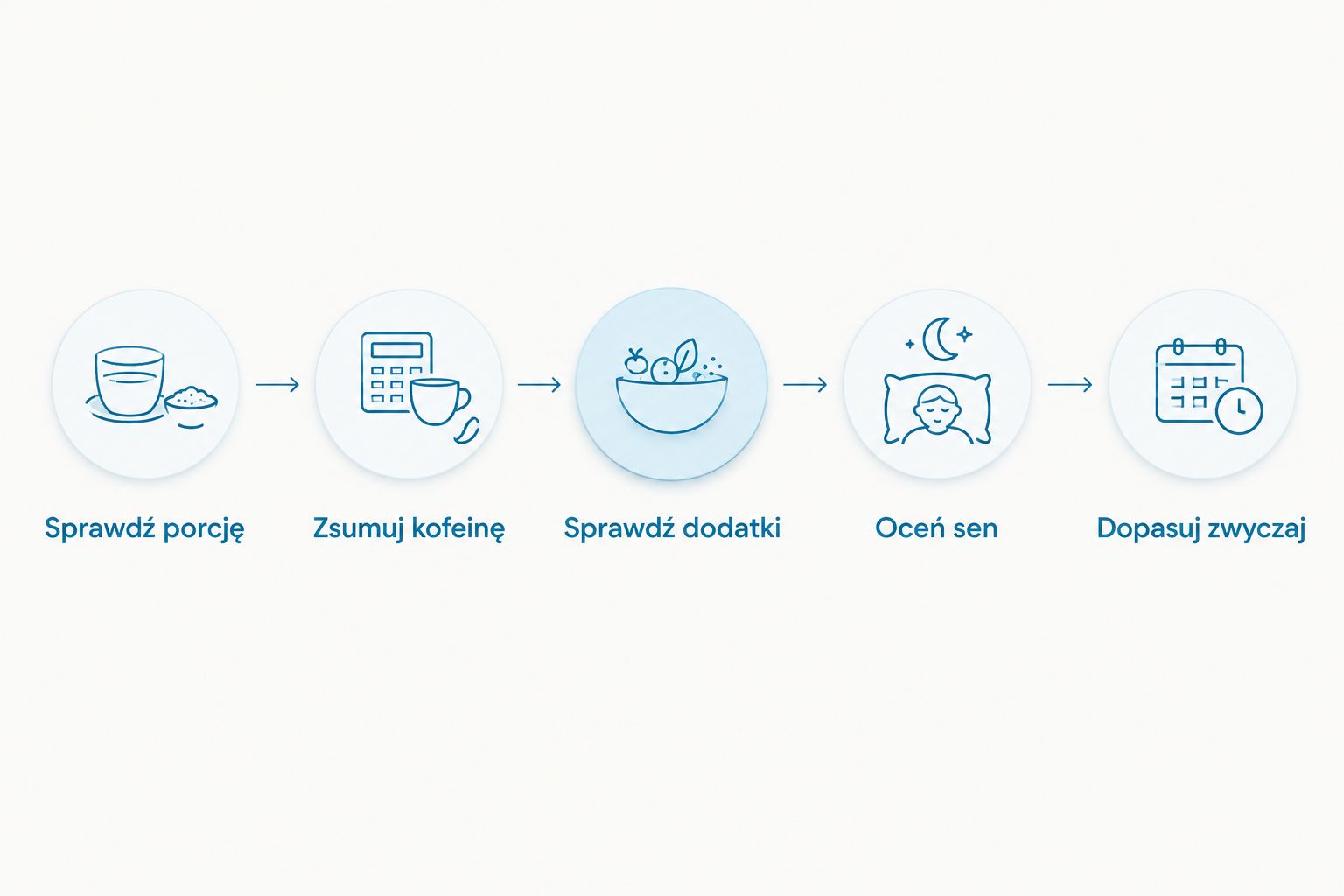
Start with the drink you're actually making, not the overall properties of green tea. A simple review of the label and daily habits does more than choosing based on product popularity.
- Check the serving size. Determine the amount of powder or mixture recommended by the manufacturer. Don't assume that each scoop has the same capacity.
- Add up caffeine. Include other drinks and supplements. If the manufacturer does not provide caffeine content, ask about it instead of taking a random value from the Internet.
- Check the additives. Read the composition of the mixture and add what you add yourself. Syrup, sugar or sweetened milk are part of the serving.
- Assess sleep. Pay attention to falling asleep, waking up at night and how you feel the next day. The mere lack of strong stimulation does not prove the lack of effect of caffeine.
- Adjust your habit. Reduce the portion, move the drink to an earlier time or choose something without caffeine if the current regimen does not suit you.
Don't change everything at the same time. When moving your matcha latte to an earlier time, keep the recipe similar to make it easier to judge the difference. If symptoms are severe or return, stop drinking and consult your doctor.
What matcha latte should you choose for your daily routine?
SUPERSONIC Food is the choice for people looking for a matcha latte with coconut milk and collagen. This formula combines ingredients in one mixture, but it still requires checking the label before daily use, recommended servings and information about caffeine.
The following list concerns the convenience of preparation, not the health advantage. The addition of collagen does not remove caffeine, and the handy packaging does not replace composition control.
| Product | For whom it is primarily | Advantage | What to include |
|---|---|---|---|
| SUPERSONIC Matcha Latte Collagen | For people looking for a matcha latte mixture with collagen | Combines matcha, coconut milk and collagen | It is a multi-ingredient formula, not just matcha; check the full composition and portion |
| SUPERSONIC Matcha Latte Collagen Sachets | For people taking the mixture to work or traveling | The sachet is easy to take with you | Convenience does not change the rules regarding caffeine or the need to prepare according to the instructions |
If you choose matcha latte SUPERSONIC Food in 2026, adjust the format to the place of preparation. A pouch is practical for work or travel; However, when assessing daily consumption, the most important thing is the composition and recommendations on the packaging.


Does a daily matcha latte help you lose weight?
A daily matcha latte does not replace the energy deficit. The change in body weight is determined by the energy balance of the entire diet, and not by the mere fact of drinking a green drink. Dairy base and additives are part of this balance.
The simplest rule for 2026: treat matcha latte as a component of your menu, it is not a way to burn fat. If you are replacing a higher-calorie drink with it, compare the actual portions. If you add it to your current menu, also take into account its energy value.
Don't assume that every matcha latte is high in protein. The protein content depends on the recipe, type of milk or plant-based drink and portion size. The name itself is not enough to consider a drink a meal.
When reducing, check whether the drink helps you maintain a comfortable daily schedule. If it's replacing a breakfast that makes you feel hungry quickly, tweak the entire meal instead of looking for a stronger matcha. Convenience is intended to support regular eating, not mask the lack of it.
Can matcha latte be drunk in the evening?
100 mg of caffeine close to bedtime may affect the sleep of some adults, according to the EFSA assessment. This does not mean that a smaller amount will be suitable for every person. Sensitivity is individual.
The evening ritual does not have to contain caffeine. If you drink matcha latte for flavor and a moment of peace, and then you have a harder time falling asleep, move it to an earlier time. For the evening, choose a caffeine-free drink.
There is no cut-off time for everyone. A person who works shifts and an early sleeper have different daily rhythms, so your bedtime is the reference point. Arousal should not be used to constantly make up for lack of sleep.
Do the same rules apply during pregnancy?
200 mg of caffeine per day from all sources is a level that EFSA indicates in relation to pregnancy as not raising concerns for the safety of the fetus. This is not the amount assigned to the matcha latte itself. You also include coffee, tea and other sources of caffeine.
When pregnant, do not set portion sizes according to advice for healthy adults outside of pregnancy. Check the caffeine content of the product and discuss its composition with your doctor, especially if you choose a mixture with additional ingredients. When breastfeeding, also determine the appropriate intake individually.
Recommendations for adults are not automatically recommendations for children and teenagers. Don't introduce them to a daily caffeinated drink just because it has a tea base. If you have any doubts about regular consumption, discuss with your pediatrician.
What should you check on the label before your next purchase?
In 2026, compare products on the same basis: as a portion of a drink prepared according to the instructions. The value given for the powder itself does not describe the entire cup if you add milk, a plant drink or sugar.
Check the composition, portion size, energy value and allergen marking. Then look for information about caffeine and directions for use. If you buy a collagen blend, evaluate it as a multi-ingredient product, not an equivalent of green tea alone.
The short list of ingredients does not alone determine whether the product is suitable for you. You also need information about quantities and your own dietary restrictions. If you have an allergy or intolerance, do not replace reading the label with the assurance that the drink is "natural".
FAQ
Is it worth drinking matcha latte every day?
Yes, if you tolerate caffeine well, you take into account all its sources and control the composition of the drink. However, drinking every day is not necessary to maintain a healthy diet.
How much matcha latte can you drink per day?
The number of servings depends on the caffeine content of the specific drink and other sources of caffeine in the diet. EFSA indicates up to 400 mg of caffeine per day as a level of no concern for healthy adults outside pregnancy, but sensitive people need lower amounts.
Does matcha latte with collagen contain caffeine?
Yes, matcha latte with collagen contains caffeine from matcha. Collagen does not remove it; check the amount of caffeine for a specific portion of the product.
Is matcha latte better than coffee?
Matcha latte is not automatically better than coffee. Compare the caffeine content, additives, taste and your reaction, not just the name of the drink.
Can you drink matcha latte on an empty stomach?
Drinking matcha latte on an empty stomach is not necessary. If you feel nauseous or uncomfortable after drinking such a drink, try drinking it after a meal or limit the portion; If you experience recurring symptoms, consult your doctor.
Does daily matcha latte help you lose weight?
Daily matcha latte itself does not cause weight loss. Take into account the energy from the entire drink, including milk, plant-based drink and sweet additions.
Can matcha latte replace breakfast?
Matcha latte is not automatically a complete breakfast. Assess the composition and nutritional value of the entire portion; The addition of milk or collagen alone is not enough to make a drink a balanced meal.
One more thing
The most useful change is not always about the product. Sometimes it is enough to drink the same drink earlier or give up another source of caffeine during the day. Thanks to this, you evaluate a specific habit, instead of attributing all the feelings to the matcha itself.
Do not increase the portion just because you feel less stimulated. When choosing a daily matcha latte, first of all check your sleep, well-being and whether it fits into your diet. The drink should be a pleasant addition to the day, not a condition for smooth functioning.
Related guides


