
Dietician
Karolina Dobrowolska-Zrałka
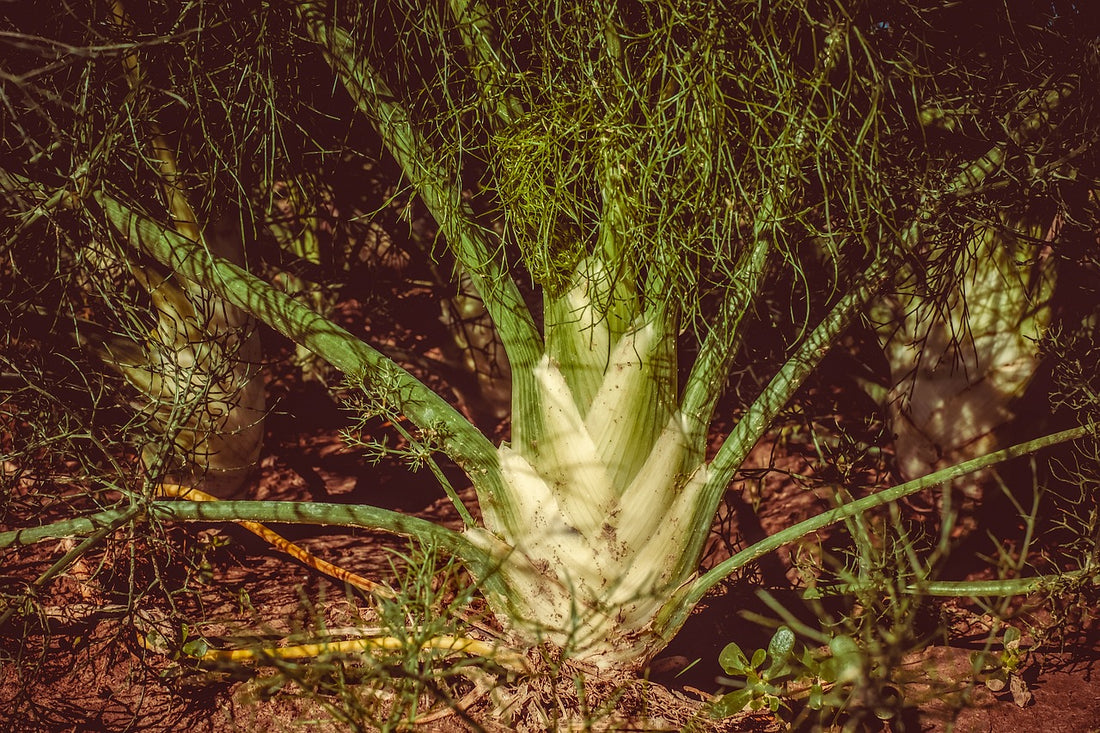
Italian dill (Foeniculum Vulgare) is a plant with a long history of use both in the kitchen and in medicine. Thanks to its versatile health properties and a rich taste, the Italian dill has gained recognition around the world. It is valued not only as a spice, but also as a natural health supporting agent. In the article, we will look at what Italian dill works, what health properties it has, how it can be used in the form of tea, and what are the possible side effects of its use. We will also find out if the Italian dill is safe during pregnancy and how it can be included in the daily diet.
Italian dill - health properties and benefits for the body
Italian dill is characterized by a rich profile of nutrients that have a beneficial effect on health. Its composition includes vitamins such as vitamin C, B vitamins, as well as minerals, including potassium, calcium, magnesium and phosphorus. Thanks to the content of valuable essential oils, such as Anetol, Italian dill has antibacterial and anti -inflammatory effects. It also has a positive effect on the digestive system, supporting digestion and reducing bloating. Regular consumption of fennel can also contribute to lowering blood cholesterol and support heart health. Italian dill is particularly valued for its action:- Anti -inflammatory and antibacterial - Essential oils contained in an Italian dill inhibit the growth of bacteria, which can help in the prevention of infection.
- Supporting digestion - Italian dill stimulates the production of digestive juices, which helps in better food absorption.
- Antioxidant - The high content of antioxidants helps to neutralize free radicals, protecting cells from damage and aging.
- Supporting the respiratory system - Italian dill soothes cough and facilitates breathing, especially in respiratory tract infections.
Italian fennel tea - tasty drinks and their potential benefits
Italian fennel tea is a popular drink that is used for medicinal and preventive purposes. It can be prepared from both seeds and plant leaves. Thanks to its digestion supporting properties, fennel tea is often used after meals to alleviate flatulence, abdominal cramps and other stomach ailments. Italian dill also has a diuretic effect, which can be helpful in cleansing the body of excess water and toxins. Eating fennel tea can bring many benefits, including:- Alleviating flatulence and gases
- Digesting support
- Reduction of stomach contractions
- Improving general well -being after meals
Side effects of fennel - what is worth being aware of?
Despite many favorable properties, fennel is not without side effects, especially in the case of excessive consumption. Caution should be exercised, because excessive use of essential oils contained in the Italian dill can lead to stomach irritation and allergic reactions. In addition, people with hormonal problems such as endometriosis or breast cancer should consult a doctor before the introduction of fennel into their diet, due to its potential estrogenic effect. Possible side effects of fennel include:- Allergic reactions such as rash or itching
- Stomach irritation in the event of excessive consumption
- Potential estrogenic effect, which can be dangerous for people with hormone -dependent diseases
Italian dill - what can it help? Discover its various applications
Fennel is widely used not only in the kitchen, but also in natural medicine. Its seeds, leaves and essential oils can be used in many health cases. Most often, fennel is used for digestion problems such as flatulence, heartburn, as well as colic in children. Thanks to its expectorant properties, the fennel is also helpful in alleviating coughing and other respiratory ailments. Italian dill can help in:- Alleviating bloating and heartburn
- Treatment of coughing and colds
- Reduction of menstrual pain
- Stimulation of milk production in breastfeeding women
Fennel in pregnancy - safe use and potential benefits
Italian dill is often used by pregnant women, especially in the form of tea, to alleviate digestion ailments such as flatulence or heartburn. What's more, fennel can support lactation, which makes it a popular choice among breastfeeding mothers. However, caution should be exercised, because excessive consumption can lead to unwanted side effects such as uterine contractions. Therefore, pregnant women should always consult a doctor before introducing Italian fennel into their diet.Summary
Italian dill is a plant with versatile health properties, which can be used in many cases, from digestive problems to alleviating coughing and colds. Its regular consumption in the form of tea, seeds or essential oil can bring benefits to health, but as with any medicinal plant, moderate should be maintained and used with caution, especially in the case of pregnant women or people with hormone -dependent diseases.Source
National Center for Complementary and Integrative Health (NCCiH) - a website providing information on the properties and applications of herbs, including Italian fennel. Link: https://www.nccih.nh.gov Pubmed - a database of scientific articles on the operation of Italian fennel, its impact on health and side effects. Link: https://pubmed.ncbi.nlm.nih.gov Journal of Herbal Medicine - a scientific journal, which includes research on the properties and use of medicinal plants, including fennel. Link: https://www.journals.elsevier.com/journal-of-herbal-edicineLooking for a nutritious and filling meal?
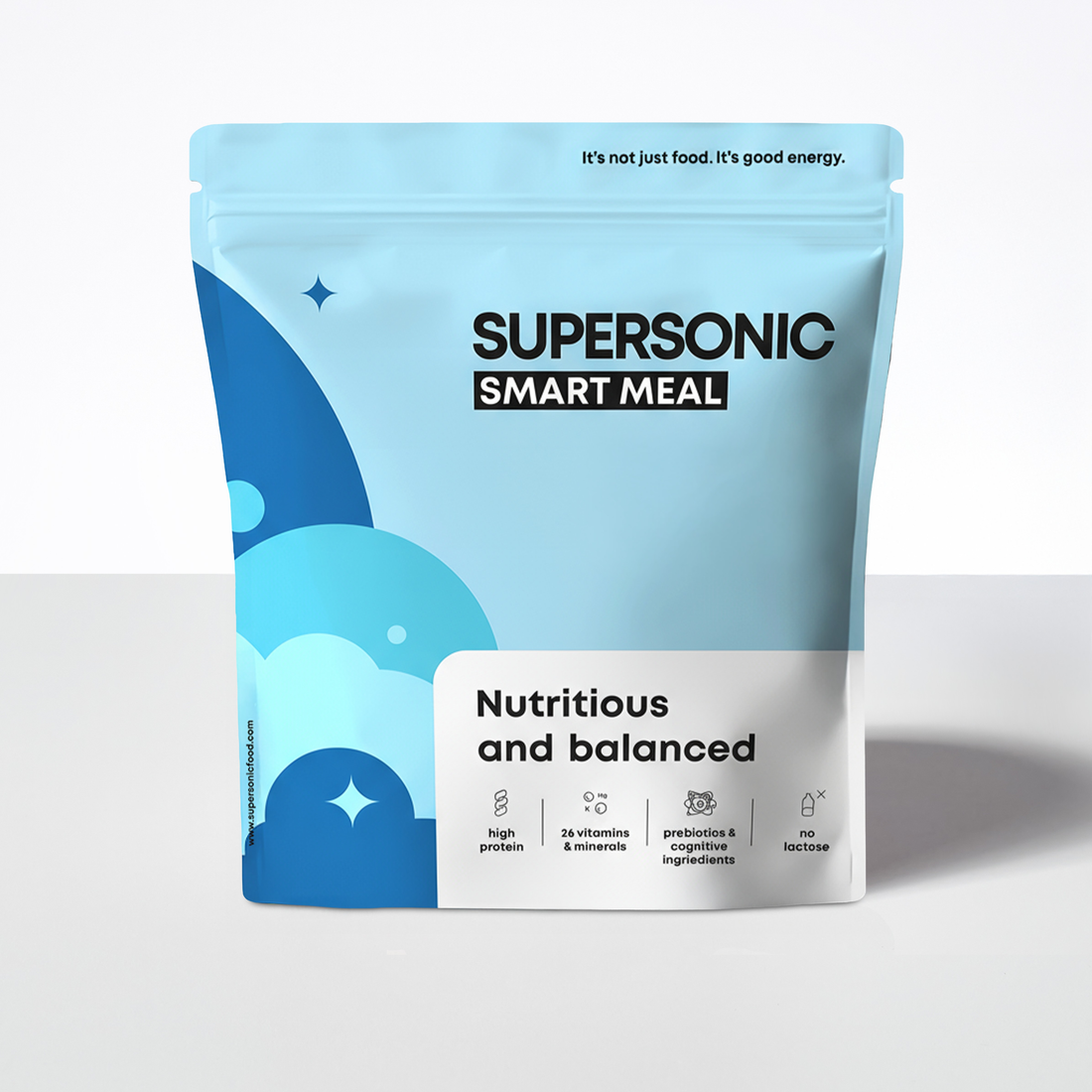
Discover Supersonic Smart Meal! A nutritious meal you can prepare in seconds!
150 reviews
additional 5% discount


