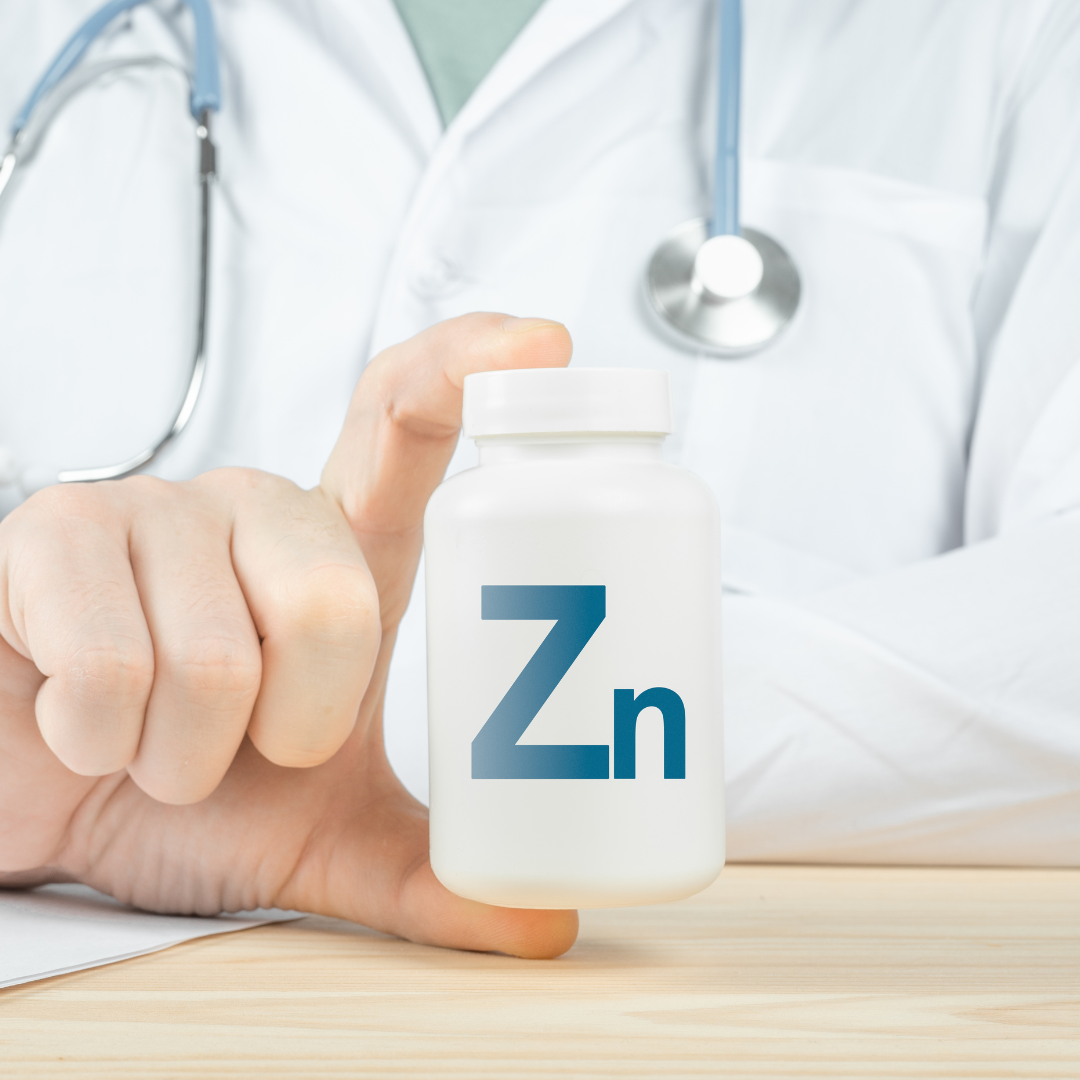

Zinc is one of the necessary microelements that is important in many metabolic processes in the human body. Zinc deficiencies lead to various health problems, which is why zinc supplementation is often recommended in certain cases. In this article, we will discuss the role of zinc in the body, who should consider supplementation and the most important rules for the use of zinc supplements.
The role of zinc in the body
Zinc is a trace element that performs many important functions in the human body. It is necessary for the proper functioning of the immune system, participates in DNA synthesis, supports wound healing, and is also responsible for the proper growth and division of cells.Zinc functions in the body:
Zinc is necessary for the functioning of immune cells, such as T lymphocytes, and its deficiencies lead to weakening of immunity and increased susceptibility to infections. Zinc participates in the synthesis of proteins and DNA, which is important for cell growth and regeneration. He also acts as an antioxidant, protecting cells from the harmful effects of free radicals, and supports the wound healing process, affecting collagen and connective tissue. In addition, zinc is important for the proper development and functioning of the sense organs, such as taste, smell and sight. The deficiencies of this element may be manifested by weakness of immunity, skin problems, taste and smell disorders, as well as poor growth and poor tissue regeneration.Zinc in tablets - who should use it?
Although zinc is present in many natural food products, some groups of people may require additional supplementation. These are mainly people who have an increased demand for zinc or difficulties in acquiring it from the diet.Who usually needs zinc supplementation?
Pregnant and nursing women - Zinc is necessary for the proper development of the fetus and the production of mother's milk. Increased demand for zinc during these periods may require supplementation. Older people - With age, the ability to absorb zinc may decrease, which can lead to deficiencies. People with gastrointestinal problems - Diseases such as Crohn's disease, celiac disease or poor absorption syndrome may hinder the absorption of zinc from the diet. Vegetarians and vegetarians - Plant products usually contain lower amounts of zinc compared to animal products. In addition, the presence of phytates in cereal products may hinder the absorption of this mineral. People who practice intensive physical effort -Sports may need more zinc due to greater zinc losses through sweat and increased metabolic demand.Zinc supplementation - indications and contraindications
Zinc supplementation is widely used in the case of deficiencies of this element and in specific health conditions that require increased zinc supply. Zinc deficiencies are manifested by difficulties in wound healing, weakening of immunity, skin problems, hair loss, taste and smell disorders and delayed growth in children. It also supports the treatment of skin diseases such as acne and psoriasis. Zinc is responsible for supporting immune functions, especially during an increased susceptibility to infections, e.g. in the autumn and winter. People with gastrointestinal diseases such as Crohn's disease or celiac disease may need additional supplementation due to the difficulties in the absorption of zinc. However, be careful about the toxicity of zinc, which can occur with excessive consumption, manifested in nausea, vomiting, abdominal pain and diarrhea. Zinc may also interact with some drugs, e.g. antibiotics from the group of tetracyclin and fluoroquinolones, reducing their effectiveness, so you should always consult a doctor's supplementation when using other drugs. Chronic consumption of high zinc can lead to copper deficiencies, because these two elements compete with the same absorption routes.The most important rules of zinc supplementation and side effects
Dose and time adjustment
The recommended daily zinc consumption depends on age, sex and health. For adult men it is about 11 mg per day, and for women 8 mg per day. Pregnant and feeding women may need a higher dose. Consumption time: Zinc is best taken between meals. Food products with a high content of phytate (such as whole grain cereal products) can reduce its absorption. Use of interrupted supplementation: in the case of long-term supplementation, it is worth taking breaks (e.g. 1-2 months of supplementation, then a month break) to avoid potential side effects.Supplement forms
Zinc is available in various forms, and some of them may be better absorbed than others. Zinc sulfate - It is one of the most commonly used zinc forms in dietary supplements. Zinc sulfate is well soluble in water, which can contribute to its effective absorption by the body. However, it can cause gastrointestinal discomfort in some people. Zinc gluconate - This is another popular form of zinc, often used in dietary supplements and sore throat pills. Zinc gluconate is considered well tolerated by the body and often considered a form with high bioavailability. Zinc acetate - zinc acetate is less popular compared to other forms, but is also used in supplements. It is well absorbed by the body and can be particularly useful in sore throat pills, where it has an antiviral effect.How to take zinc? The most important rules
To achieve the best health benefits with zinc supplementation, it is worth following a few basic rules. Before starting supplementation, you should consult a dietitian to assess the possibility of increasing zinc consumption through your diet. You should see a doctor before starting supplementation, especially when taking medication or chronic diseases. Be vigilant to possible symptoms of excess zinc and always follow the recommendations for the dosage of the supplement given on the packaging. In prolonged zinc supplementation, it is worth considering simultaneously taking copper supplements to balance potential deficiencies.The best sources of zinc in the diet
Although zinc supplementation may be necessary in some cases, it is also worth paying attention to the natural sources of this element in the diet. Consuming zinc -rich foods can not only help satisfy your daily demand for this element, but also provide the body with other necessary nutrients. They belong to the best zinc sources in the diet Seafood - crustaceans, such as oysters, shrimp and mussels, are extremely rich in zinc. Oysters are particularly known for its very high content of this element.- Red meat - Beef, pork and lamb are excellent sources of zinc. Regular consumption of meat can significantly contribute to maintaining the right level of zinc in the body.
- Poultry - Chicken and turkey also provide large amounts of zinc, although in slightly smaller quantities than red meat and seafood.
- Seeds and nuts - Pumpkin, sesame seeds, as well as nuts such as almonds and cashew nuts are a good plant alternative for people who do not eat meat.
- Legumes - Lentils, chickpeas and beans are not only sources of vegetable protein, but also provide large amounts of zinc. It is worth remembering that legumes may also contain anti -nutritional substances that can affect the absorption of zinc.
- Whole grains - products such as whole grain bread, porridge and brown rice also contain zinc. Full beans abound in fiber and other valuable nutrients that support health.
Dietary tips
Diversity
Try to eat a diverse diet that contains different sources of zinc. The inclusion of products such as seafood, meat, poultry, as well as legumes, seeds and whole grain cereals in the daily menu can significantly enrich your diet with zinc. The diversity in the diet not only provides the body with the right amounts of zinc, but also other necessary vitamins and minerals that together support health and well -being.Culinary processing
Soaking and fermentation of legumes and cereals can reduce the content of phytates, which are anti -nutritional substances that make it difficult to absorb zinc. Processes such as soaking beans overnight before cooking or preparing fermented cereal products, such as sourdough bread, can significantly improve the bioavailability of zinc. In addition, thermal treatment (cooking, choking) can also facilitate the absorption of minerals contained in legumes and whole grains.Summary
Zinc is a key element necessary for many functions in the body. Zinc supplementation may be necessary for deficiencies, but it should always be carried out with due caution and under the control of a specialist. It is important to understand the indications and contraindications for supplementation and follow the appropriate rules to avoid potential side effects.Sources
Pragad, A. S. (2013). Discovery of Human Zinc Deficiency: ITS IMPACT ON HUMAN HEALTH AND DISEase. Advans in Nutrition, 4 (2), 176-190. Hambidge, K. M., & Krebs, N. F. (2007). Zinc Deficency: A Special Challenge. The Journal of Nutrition, 137 (4), 1101-1105. Rink, L., & haase, H. (2007). Zinc homeostasis and immunity. Trends in Immunology, 28 (1), 1-4. Hunt, J. R. (2003). Bioavailability of iron, zinc, and other trace minerals from vegetarian diets. The American Journal of Clinical Nutrition, 78 (3), 633S-639S.
Dietician
Karolina Dobrowolska-Zrałka
doktor nauk medycznych i nauki o zdrowiu, dietetyk kliniczny Absolwentka studiów I i II stopnia na kierunku dietetyka oraz doktorantka w Szkole Doktorskiej Uniwersytetu Medycznego we Wrocławiu
Więcej artykułów autoraLooking for a nutritious and filling meal?
Discover Supersonic Smart Meal! A nutritious meal you can prepare in seconds!

150 reviews


