
Selenium is a trace element that plays an important role in many metabolic processes in the body. It is known for its antioxidant properties and importance for the functioning of the immune system. However, to reap the benefits of supplementation, it is necessary to know how to use it safely.
Why is it worth consulting selenium supplementation with a doctor?
Selenium supplementation should be carefully considered and, in most cases, consulted with a doctor or clinical dietitian. Selenium is a microelement necessary for the proper functioning of the body, but excess or deficiency of this element may lead to serious health problems.The role of selenium in the body
Selenium is an important component of antioxidant enzymes, including glutathione peroxidase, which protects cells against oxidative stress. It also works at the level of the immune system, supports the healthy functioning of the thyroid gland and is involved in DNA synthesis.Professional medical advice
Each supplementation case should be tailored individually because the need for selenium varies depending on age, gender, health condition and lifestyle. Consultation with a doctor allows you to precisely determine your needs and select the appropriate dose of the supplement.Risk of self-supplementation
Without proper medical support, selenium supplementation may lead to hypervitaminosis, i.e. an excess of selenium in the body, which manifests itself, among others, in: brittle nails, hair loss, nervous system disorders and digestive system problems.Selenium level in the blood - a safe dose and a toxic dose
Monitoring blood selenium levels is important to assess the effectiveness and safety of supplementation. The optimal level of selenium in blood serum should be between 70 and 150 ng/ml.Measuring selenium levels
Selenium levels can be checked using specialized laboratory tests. Regular testing is important to control selenium levels in the body, especially with long-term supplementation.Safe dose of selenium
The recommended daily dose of selenium for adults is approximately 55 micrograms (µg) per day. This dose may vary depending on gender, age, pregnancy or lactation. The maximum safe daily dose is 400 µg per day.Effects of selenium deficiency and excess
Selenium deficiency: It may lead to disorders in the functioning of the immune system, increased susceptibility to infections, cardiomyopathy, and fertility problems. Excess selenium: Symptoms of selenium toxicity include hair loss, brittle nails, skin lesions, muscle and joint pain, and in extreme cases it may lead to damage to internal organs.Selenium supplement - what to pay attention to?
Choosing the right selenium supplement is important to achieve its optimal health benefits. There are various forms of selenium available on the market, each with its own characteristics and bioavailability. One of the most frequently recommended forms is selenomethionine, valued for its high bioavailability. Sodium selenate, which is the inorganic form, is less bioavailable but is often used in supplements. Selenite, also an inorganic form, has lower bioavailability compared to selenomethionine. When choosing a supplement, pay attention to several important features. First of all, it is worth choosing preparations from reputable manufacturers who subject their products to rigorous quality tests. Quality certificates are also important, such as GMP (Good Manufacturing Practice), which confirm the quality and safety of the supplement. The composition of the products is also important; you should avoid supplements containing unnecessary additives, artificial colors or preservatives.Natural sources of selenium in the diet
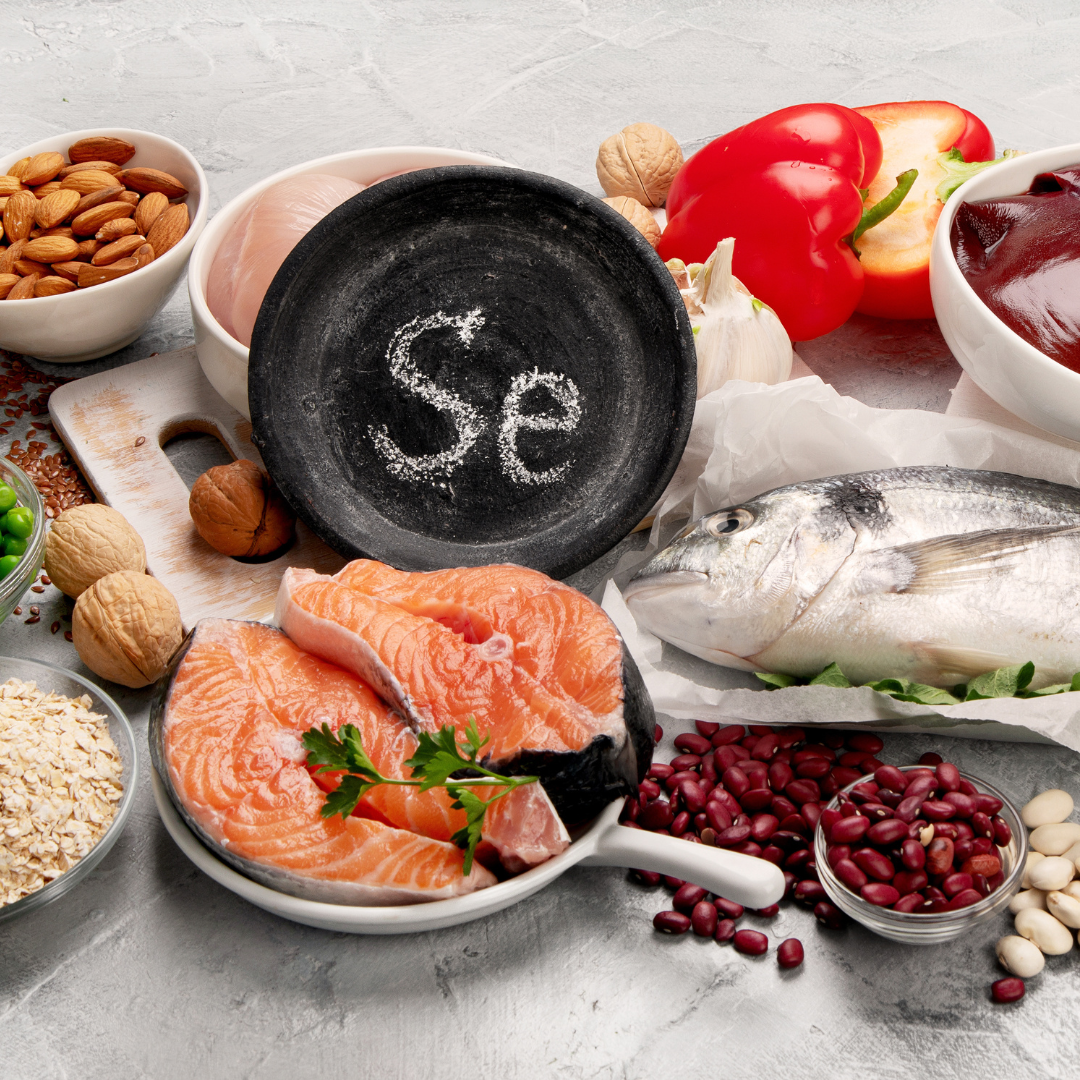
In addition to supplementation, it is worth properly balancing the diet to provide selenium in a natural way. One of the richest sources of selenium are Brazil nuts that abound in this microelement. Fish and seafood, such as tuna, halibut, sardines and oysters, are also a great source of selenium. Whole grain cereal products, including brown rice and wheat, can provide valuable amounts of this element. Eggs, especially with regular consumption, can support the level of selenium in the body. Meat, including poultry, pork and beef, also contains significant amounts of selenium and can be a valuable component of the diet.Selenium deficiency - symptoms
Selenium deficiency can lead to a number of adverse symptoms that can affect general health. First of all, an insufficient amount of selenium can weaken the immune system, which makes the body more susceptible to infections. There may also be problems with the functioning of the thyroid gland, because selenium is necessary for the production of thyroid hormones. In extreme cases, selenium deficiency can lead to cardiomyopathy, which is a serious heart disease. In addition, there may be symptoms such as fatigue, muscle weakness, joint pain and concentration problems.Excess selenium
Also, excess selenium in the diet can be harmful to health. This situation, referred to as selenosis, can cause many symptoms, including a metallic taste in the mouth, nail brittleness and hair loss. Gastrointestinal problems such as nausea, vomiting and diarrhea may also occur. In extreme cases, excessive selenium supply can lead to more serious health problems, such as breathing difficulties, muscle tremor and liver and kidney damage.Selenium and diseases
Selenium plays an important role in the prevention and therapy of many diseases. He is a strong antioxidant, which means that it helps to neutralize free radicals in the body. Thanks to this, it can slow down cell aging processes and protect against the development of some cancers. Studies show that an adequate level of selenium can support the functioning of the cardiovascular system, reducing the risk of diseases such as atherosclerosis. In addition, selenium is necessary for the proper functioning of the endocrine system, in particular the thyroid gland, where it supports the production of hormones. A well -balanced diet rich in selenium can also support the immune system, which is important for protecting the body against infections and autoimmune diseases.Selenium - dosage
The dosage of selenium depends on age, sex, health and individual needs. For adult men and women, the recommended daily dose of selenium is about 55 micrograms. Pregnant and breastfeeding women may need a little more selenium, approximately 60-70 micrograms per day, respectively. For children, the recommended amounts are lower and depend on age: for infants up to 6 months it is 15 micrograms, for children aged 7-12 months-20 micrograms, for children from 1-3 years-20 micrograms, for children from 4-8 years-30 micrograms, and for children from 9-13 years-40 micrograms per day.Contraindications for selenium supplementation
Selenium supplementation is not suitable for everyone, and some people should give it up or take it with great caution. People with hyperthyroidism should avoid additional selenium supplementation without consulting a doctor, because the excess of this element can deepen thyroid hormone problems. Also, people with the history of allergies to the ingredients contained in selenium supplements should be careful and consult a doctor before starting supplementation. Pregnant and breastfeeding women should consult a doctor before starting selenium supplementation to make sure that the doses taken are safe for both them and the child. In addition, people with kidney or liver problems may be more susceptible to the toxic effect of excess selenium, so they should take it with caution and always under medical supervision. Elderly people who take many different drugs should pay special attention, because selenium may interact with some pharmaceuticals. It is always worth discussing with the doctor all thoughts on supplementation to ensure safety and health.Summary
Selenium is a microelement necessary for the proper functioning of the body, and its supplementation can bring many health benefits if it is conducted in a thoughtful and consistent with the recommendations of specialists. You should monitor the level of selenium in the blood and dose adjustment individually to your needs. Before starting supplementation, it is always worth consulting a doctor to avoid the potential risk associated with the excess of this element. Choose high -quality supplements and take care of a balanced diet to provide selenium also in a natural form.Sources:
Fairweather-Tait SJ, et al. Selenium in Human Health and Disease. Antioxid Redox Signal. 2011 Jun 1; 14 (7): 1337-83. Rayman MP. The Importance of Selenium to Human Health. Lancet. 2000 Jul 15; 356 (9225): 233-41. National Institutes of Health. Office of Dietary Supplements. Selenium fact sheet for health professionals. https://ods.od.nih.gov/factsheets/selenium-healthprofessional/
Dietician
Karolina Dobrowolska-Zrałka
doktor nauk medycznych i nauki o zdrowiu, dietetyk kliniczny Absolwentka studiów I i II stopnia na kierunku dietetyka oraz doktorantka w Szkole Doktorskiej Uniwersytetu Medycznego we Wrocławiu
Więcej artykułów autoraLooking for a nutritious and filling meal?
Discover Supersonic Smart Meal! A nutritious meal you can prepare in seconds!

150 reviews


