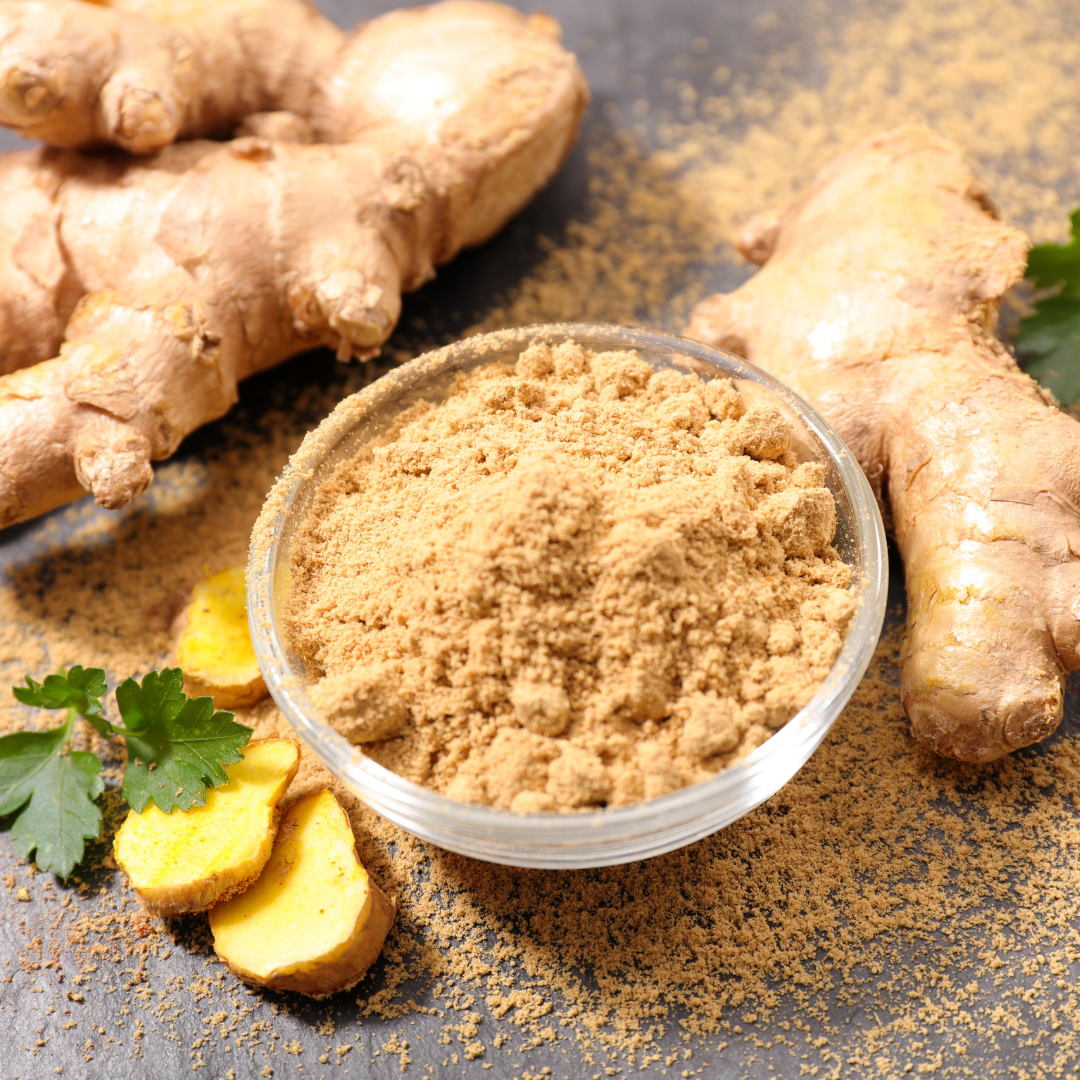

Ginger (zingibiber officinale) is a plant with a long history of applications in both the kitchen and medicine. His root is rich in various active compounds that are responsible for its numerous health properties. The most important chemical ingredients of ginger are gingerols and shogools, which give it a characteristic taste and smell and have anti -inflammatory, antibacterial and analgesic effect.
Ginger active ingredients
Gingerole - These are the main bioactive compounds in fresh ginger. They act as strong antioxidants that neutralize free radicals and reduce oxidative stress. Thanks to this, they can help prevent the development of chronic diseases such as heart disease or cancer. Shogole - They arise during drying or cooking ginger from gingeroli. They have similar properties, but they are even stronger in their anti -inflammatory and analgesic activity. Shogools soothe symptoms such as nausea, vomiting and menstrual pain.Operation mechanisms
Ginger works on several levels, affecting various systems in the body:Digestive system
Ginger stimulates the secretion of digestive juices and enzymes, which accelerates the digestion and helps to alleviate indigestion and constipation.Circulatory system
Ginger compounds have anticoagulant properties, which can help prevent the formation of blood clots.Immune system
Thanks to antibacterial and antiviral effects, ginger can support the immune system and protect against infections.How to use ginger? Indications for ginger use
Ginger can be used in many ways, both in fresh and dried form, in the form of powder, essential oils or dietary supplements. It is an extremely versatile plant, which in various forms is used in the treatment of various ailments. Ginger is widely used to alleviate nausea and vomiting. It is particularly effective in the case of nausea associated with pregnancy, also known as morning nausea, as well as in the alleviation of the symptoms of motion disease and postoperative vomiting, which makes it an irreplaceable agent in the fight against these burdensome ailments. In addition, ginger can be helpful in alleviating digestive ailments, such as irritable bowel syndrome (IBS). Its digestion accelerating properties can bring relief to people with gastric problems, improving the comfort of life and general well -being. Ginger is also a valuable ally in the fight against colds and flu. Thanks to its anti -inflammatory and antiviral properties, ginger can not only shorten the duration of the infection, but also alleviate the symptoms of colds, which makes it a valuable ingredient in a home medicine cabinet, especially during the season of increased incidence of infections.Ginger for colds
Ginger is often used as a natural remedy for colds. It works in several ways that can help alleviate the symptoms of infection. First of all, its anti -inflammatory effect is extremely valued in natural medicine. The compounds present in ginger, such as Gingerol, Zingeron and Shoagol, have strong anti -inflammatory properties that help reduce inflammation in the body. This action can lead to sore throat pain, lowering of fever, as well as a decrease in swelling and irritation of mucous membranes. Thanks to this, ginger becomes an effective remedy in relieving unpleasant ailments associated with colds. In addition, ginger has the ability to strengthen the immune system. Its bioactive compounds, including gingerol, act as natural antioxidants that neutralize free radicals and prevent cell damage. They support the functions of the immune system, helping the body to fight viruses and bacteria more effectively. Regular consumption of ginger, especially during a period of increased risk of infection, can significantly improve the natural defense of the body, which is important for faster recovery. Ginger also has natural warming properties that can be extremely helpful for colds. Another its ingredient is a thermogenous effect, which stimulates blood circulation and increases body temperature. Thanks to this, a cold feeling accompanying a cold can be alleviated, which brings relief and comfort. Warm ginger infusion or adding it to tea can effectively warm up the body, thus helping in the fight against the burdensome symptoms of colds. The properties of ginger make it an irreplaceable natural assistant to fight a cold. Its versatile action - anti -inflammatory, strengthening the immune and warming system - makes it a practical and effective tool in a home medicine cabinet. Adding ginger to a daily diet can bring numerous health benefits, especially in difficult periods of increased risk of infection.Ginger tea recipe
Ingredients- 1 piece of fresh ginger (approx. 2-3 cm)
- 1 tablespoon of honey
- 1/2 lemon juice
- 1 cup of boiling water
Ginger and breastfeeding
The use of ginger during breastfeeding raises some controversy, which is why it is important to consider various aspects before using it. Ginger is a popular agent used in natural medicine and generally considered safe. Nevertheless, there are some important issues that should be taken into account.Security
Ginger in moderate amounts is usually safe for most breastfeeding women. It can help to alleviate digestive problems such as flatulence and gauze, as well as alleviating nausea that may occur during the postpartum period. It can also support the mother's immune system, which is beneficial during the weakening of the body after delivery.Potential risk
Although ginger is safe in moderate amounts, its excessive consumption may be associated with certain risks. Ginger has anticoagulant properties, which in rare cases can affect the mother's health, especially if it has blood coagulation disorders or uses blood thinning drugs. Long -term and excessive use of ginger can also lead to gastric discomfort.Consultation with a doctor
Before introducing larger amounts of ginger into the diet during breastfeeding, it is always worth consulting a doctor or nutrition specialist. The doctor may assess the individual needs and health of the mother, which will allow you to safely and effectively include ginger in the diet.Ginger for the throat
Ginger is also an effective remedy in soothing sore throat and other ailments associated with the upper respiratory tract. Its properties are appreciated in both conventional and natural medicine.Anti -inflammatory effect
Ginger has strong anti -inflammatory properties due to the content of bioactive compounds such as gingerole and shoagole. By reducing inflammation in the throat, ginger effectively relieves pain and discomfort associated with upper respiratory tract infections.Antibacterial properties
Ginger also has an antibacterial effect, which helps to combat bacteria causing throat infections. Regular consumption of ginger can contribute to faster recovery by eliminating pathogens responsible for infections.Mucosa hydration
Ginger tea can moisturize the mucous membranes of the throat, which brings relief in dryness and irritation. A warm brew with ginger not only helps moisturize and soothe the irritated mucosa, but also warming up, which in itself brings comfort and relief during illness. Ginger is therefore a practical and effective means in the fight against unpleasant symptoms of colds and sore throat. Its versatile properties make it a valuable addition to a home first aid kit, especially in the season of infection.Recipe for an infusion of sore throat
Ingredients:- 1 piece of fresh ginger (approx. 2-3 cm)
- 1 teaspoon of honey
- 1/2 lemon juice
- 1 cup of warm water
Carrot-imbirus soup
Ingredients- 1 kg of carrots, diced
- 1 onion, chopped
- 2 cloves of garlic, chopped
- 1 piece of fresh ginger (approx. 2 cm), grated
- 1 liter of vegetable broth
- 2 tablespoons of olive oil
- Salt and pepper to taste
Ginger - contraindications
Despite many health benefits, ginger is not suitable for everyone.Blood diseases
People with bleeding disorders such as hemophilia should avoid large amounts of ginger due to its anticoagulant properties. Ginger can increase the risk of bleeding, which is especially dangerous for people who already have blood clotting problems. Regular consumption of ginger can also affect the efficiency of anticoagulants such as warfarin, which can lead to serious health complications.Pregnancy
Although ginger can help to alleviate morning nausea, women in advanced pregnancy should consult a doctor before using it. There are fears that large amounts of ginger can affect the level of hormones and modify the course of pregnancy, as well as potentially cause uterine cramps, which can be risky in later stages of pregnancy. Before introducing ginger to the diet, it is worth discussing all potential benefits and risk with the attending physician.Drug interactions
Ginger may interact with various drugs, which can lead to adverse health effects.- Drugs for hypertension - Ginger can affect the efficiency of blood pressure drugs, which can lead to uncontrolled increase in blood pressure.
- Diabetes drugs- Ginger can change blood sugar levels, which can affect the efficiency of anti -diabetic drugs. People suffering from diabetes should monitor blood glucose levels during ginger use.
- Anticoagulants - ginger, having anticoagulant properties, can affect blood clotting drugs, increasing the risk of bleeding.
Gastrointestinal disorders
People with gastrointestinal diseases, such as peptic ulcer disease or gastrointestinal reflux, should be careful when consuming ginger. Despite its mitigating properties of certain digestive ailments, in large quantities ginger can irritate the gastric mucosa and deteriorate the symptoms of these diseases.Allergies
Although rarely, some people may be allergic to ginger. Allergy symptoms may include rash, itching, difficulties in breathing, and in extreme cases - anaphylaxis. People who experience any allergic reactions after eating ginger should immediately cease its use and contact a doctor.What diseases does ginger help?
Ginger is widely used as a natural assistance to the treatment of various health ailments. Below are some of the diseases where ginger may be helpful:Digestive diseases
Ginger is known for its digestion support properties. It can alleviate nausea, flatulence and stomach pain thanks to the content of gingeroli and shogoli, which have anti -inflammatory and antispasmodic effects.Colds and flu
Ginger has natural antibacterial and antiviral properties that can help in the fight against infections. Drinking ginger tea can help alleviate the symptoms of colds and flu, such as sore throat, cough and fever.Joint pain
Thanks to its anti -inflammatory properties, ginger can be helpful in alleviating symptoms associated with arthritis. Regular consumption of ginger can reduce pain and improve joint mobility in people suffering from diseases such as osteoartrosis and rheumatoid arthritis.Heart disease
Ginger can support heart health by lowering cholesterol and improved blood circulation. Its anti -inflammatory properties also help in preventing the formation of blood clots, which can reduce the risk of heart attacks and strokes.Metabolic diseases
Ginger can support blood sugar control, which is particularly beneficial for people suffering from type 2 diabetes. Studies indicate that regular ginger consumption can improve insulin sensitivity and support the overall control of blood glucose levels.Migraines
Ginger can also be effective in relieving headaches and migraines. The active substances contained in ginger have analgesic properties that can help reduce the intensity and frequencies of migraine attacks.Summary
Ginger is an extremely versatile and powerful natural agent that can bring many health benefits due to its anti -inflammatory, antibacterial and analgesic properties. Used in moderation and proper awareness of contraindications, it can become a valuable addition to the daily diet. Remember, however, that before introducing larger amounts of ginger into your diet, it is always worth consulting a doctor or nutrition specialist.Bibliography
Ali, B. H., Blunden, G., Tanira, M. O., & Nemmar, A. (2008). Some Phytochemical, Pharmacological and Toxicological Properties of Ginger (Zingiber Officinal Roscoe): A review of Recent Research. Food and Chemical Toxicology, 46 (2), 409-420. Chrubasik, S., Pittler, M. H., & Roufogalis, B. D. (2005). Zingiberis Rhizoma: A Comprehensive Review on the Ginger Effect and Efficacy Profiles. Phytomedicine, 12 (9), 684-701. White, B. (2007). Ginger: An overview. American Family Physician, 75 (11), 1689-1691.
Dietician
Karolina Dobrowolska-Zrałka
doktor nauk medycznych i nauki o zdrowiu, dietetyk kliniczny Absolwentka studiów I i II stopnia na kierunku dietetyka oraz doktorantka w Szkole Doktorskiej Uniwersytetu Medycznego we Wrocławiu
Więcej artykułów autoraLooking for a nutritious and filling meal?
Discover Supersonic Smart Meal! A nutritious meal you can prepare in seconds!

150 reviews


