
Dietician
Karolina Dobrowolska-Zrałka
Dandelion (Taraxacum officinale) is a plant known for centuries of its healing properties. Its versatile action makes it valued both in traditional medicine and modern phytotherapy. Dandelion is rich in nutrients and bioactive substances that can support health at many levels. In this article, we will take a closer look at his health benefits, applications, contraindications and differences between dandelion and dairy.
Health benefits and healing properties - what does the dandelion help?
Dandelion is a plant with a wide spectrum of action that can bring many health benefits. It is particularly valued for its anti -inflammatory, antiviral, antibacterial and detoxification properties.Healing properties and active ingredients
Dandelion contains a number of bioactive ingredients, such as vitamins (A, C, E, K, vitamin B), minerals (iron, potassium, calcium, magnesium), flavonoids, coumarins, triterpenes and inulin. These ingredients work synergistically, supporting health at many levels.- Detoxification - Dandelion supports the natural processes of detoxification of the body, especially the liver, by increasing yellow production and supporting its secretion. Thanks to this, it helps to eliminate toxins and improves digestion.
- Anti -inflammatory effect - Flavonoids and triterpenes contained in the dandelion have strong anti -inflammatory properties, which can help to alleviate inflammation in the body.
- Support for the digestive system - Inulin, a prebiotic present in dandelion, supports intestinal health by stimulating the growth of favorable intestinal bacteria.
- Blood sugar level adjustment - Studies indicate that dandelion can help in regulating blood sugar levels, which is beneficial for people with diabetes or insulin resistance.
Dandelion and milk - how are they different?
Dandelion is often confused with milk (Sonchus spp.), Another plant from the Astrotomasy family. Although both plants have a similar look, there are significant differences between them.Differences between dandelion and dandelion
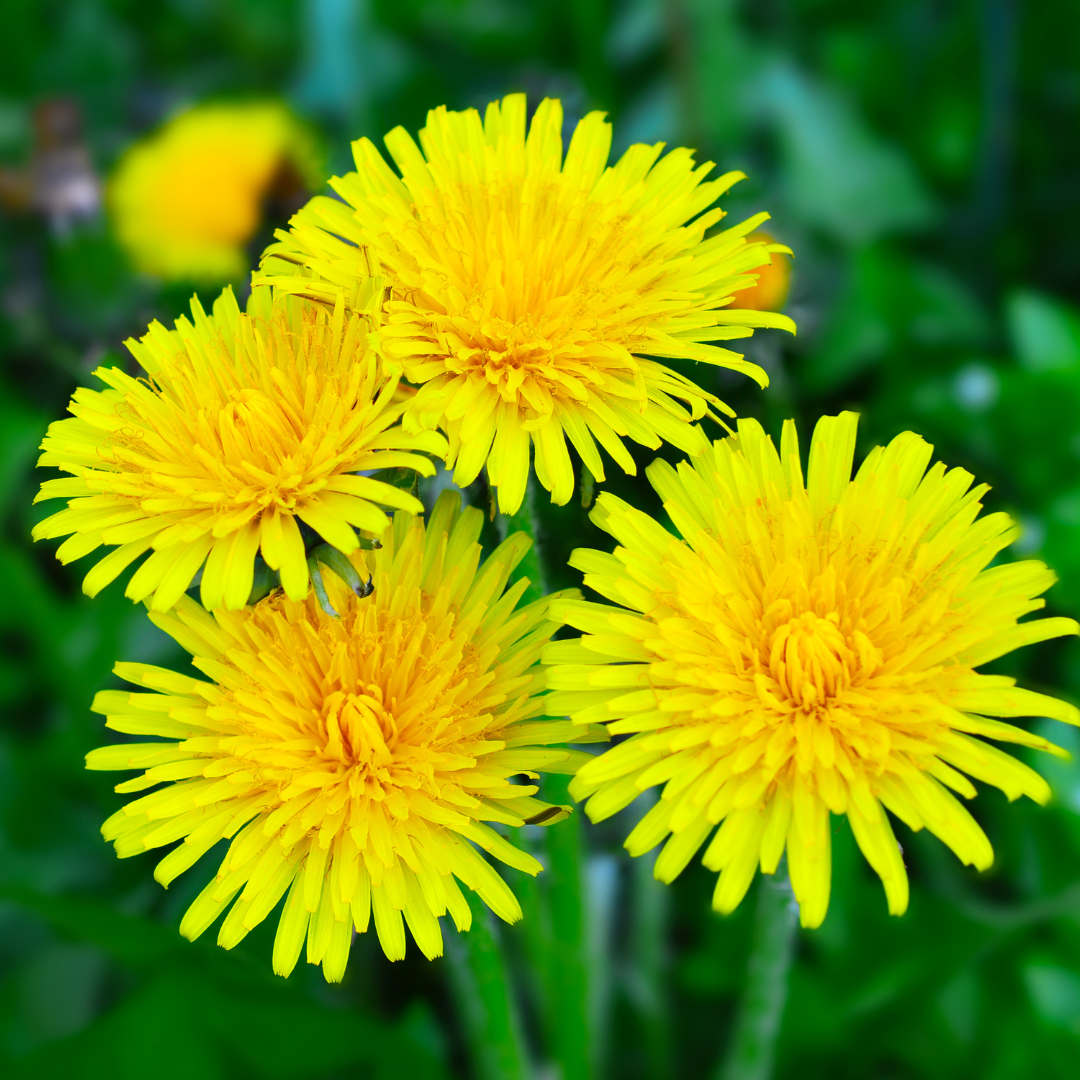
Appearance: Dandelion has a single, yellow inflorescence head on the stem, while the milk has numerous, smaller inflorescences gathered in the panicles. Leaves: Dandelion leaves are smooth and shiny, with characteristic deeply cut teeth, while the dandelion leaves are more spicy and have less regular edges. Stalk: Dandelion has an empty stem, while the milk stem is full and softer.The importance of these differences in the health context
Knowledge of the differences between these plants is important, because only the dandelion has documented healing properties and is safe to consume in large quantities. Cleaning in large quantities can lead to stomach problems and other unpleasant symptoms.Dandelion - contraindications
Despite the numerous health benefits, the dandelion is not suitable for everyone. There are some contraindications that are worth considering to avoid negative health effects. People with allergies to plants from the Asthrowaty family should avoid dandelion. Also, people with gallbladder problems, such as gallstones, should consult a doctor before consumption, because the dandelion can stimulate yellow production. Pregnant and breastfeeding women should be careful and consult a doctor before using it.Potential side effects and allergic reactions
Consumption of large amounts of dandelion can lead to symptoms such as diarrhea, nausea or vomiting. In rare cases, allergic reactions may occur, manifested in rash, itching or breathing difficulties.Dandelion - use in traditional medicine and practical advice
Dandelion can be consumed in many ways. The leaves can be added to salads, soups, smoothies or pesto. Dandelion root can be dried, ground and used as a coffee substitute. Dandelion flowers are often used for the production of syrups and honey.Various applications in traditional medicine
In traditional medicine, dandelion was used to treat ailments such as digestive problems, liver diseases, urinary tract infections and inflammation. It was used in the form of infusions, decoctions, syrups and ointments.Examples of infusions, ointments and other preparations
- Dandelion infusion -Brew 1-2 teaspoons of dried leaves or dandelion roots in a cup of boiling water for 10-15 minutes. Drink 1-2 times a day to support digestion and detoxification.
- Dandelion flower syrup - Collect fresh dandelion flowers, add water and cook for a few minutes. Strain the flowers, add sugar and simmer until the syrup thickens. Use as a natural lesion and sore throat.
- Dandelion ointment - Mix fresh nun leaves with coconut oil or olive oil and heat on a slow heat for several hours. Strain and store in a tightly closed jar. Use the skin to relieve inflammation and irritation.
Dandelion - Action and health benefits
Dandelion has a multidirectional medical, supporting health at many levels. Its detoxifying, anti -inflammatory, antiviral and antibacterial properties make it a valued ingredient in natural medicine. Dandelion supports liver health by stimulating the production and secretion of bile, which helps in detoxifying the body and improves digestion. Its anti -inflammatory properties help to alleviate inflammation, which can bring relief in autoimmune diseases and chronic inflammation. Thanks to the content of inulin, dandelion supports intestinal health, improving the balance of intestinal microflora. It can also help in regulating blood sugar levels and support skin health.Examples of diseases and ailments that can be alleviated by dandelion
Dandelion can be used to treat such ailments as hepatitis, indigestion, flatulence, constipation, urinary tract infections, skin inflammation and problems with the immune system.Dandelion tea
Dandelion tea is a popular way to use the beneficial properties of this plant. Made of dried leaves, roots or flowers, this tea is valued for its detoxification properties, supporting digestion and anti -inflammatory. To prepare tea from dandelion, you can use both dried leaves and roots. Add 1-2 teaspoons of dried leaves or dandelion roots for a cup of boiling water (about 250 ml). The infusion should be brewed for about 10-15 minutes, then strained. Dandelion tea can be consumed both hot and cold.Summary
Dandelion is an extremely valuable plant with a wide spectrum of health benefits. Its anti -inflammatory, antiviral, antibacterial and detoxifying properties make it a valued ingredient in natural medicine and kitchen. Regular consumption of dandelion can support the immune system, improve liver health and support cleansing of the body. However, it is important to use it in moderation and pay attention to contraindications to avoid potential side effects.Sources
Schütz, K., Carle, R., & Schieber, A. (2006). TARAXACUM - A Review on ITS Phytochemical and Pharmacological Profile. Journal of Ethnopharmacology, 107 (3), 313-323. Clare, B. A., Conroy, R. S., & Spelman, K. (2009). The diuretic effect in human subjects of an extreme of tarhaxacum officinale folium over a single day. Journal of Alternative and Complementary Medicine, 15 (8), 929-934. Hook, I., McGee, A., Henman, M., & Elliott, M. (1993). Evaluation of Dandelion for Diuttic Activity and Variation in Potassium Content. International Journal of Pharmacognosy, 31 (1), 29-34.Looking for a nutritious and filling meal?
Discover Supersonic Smart Meal! A nutritious meal you can prepare in seconds!

150 reviews
additional 5% discount


