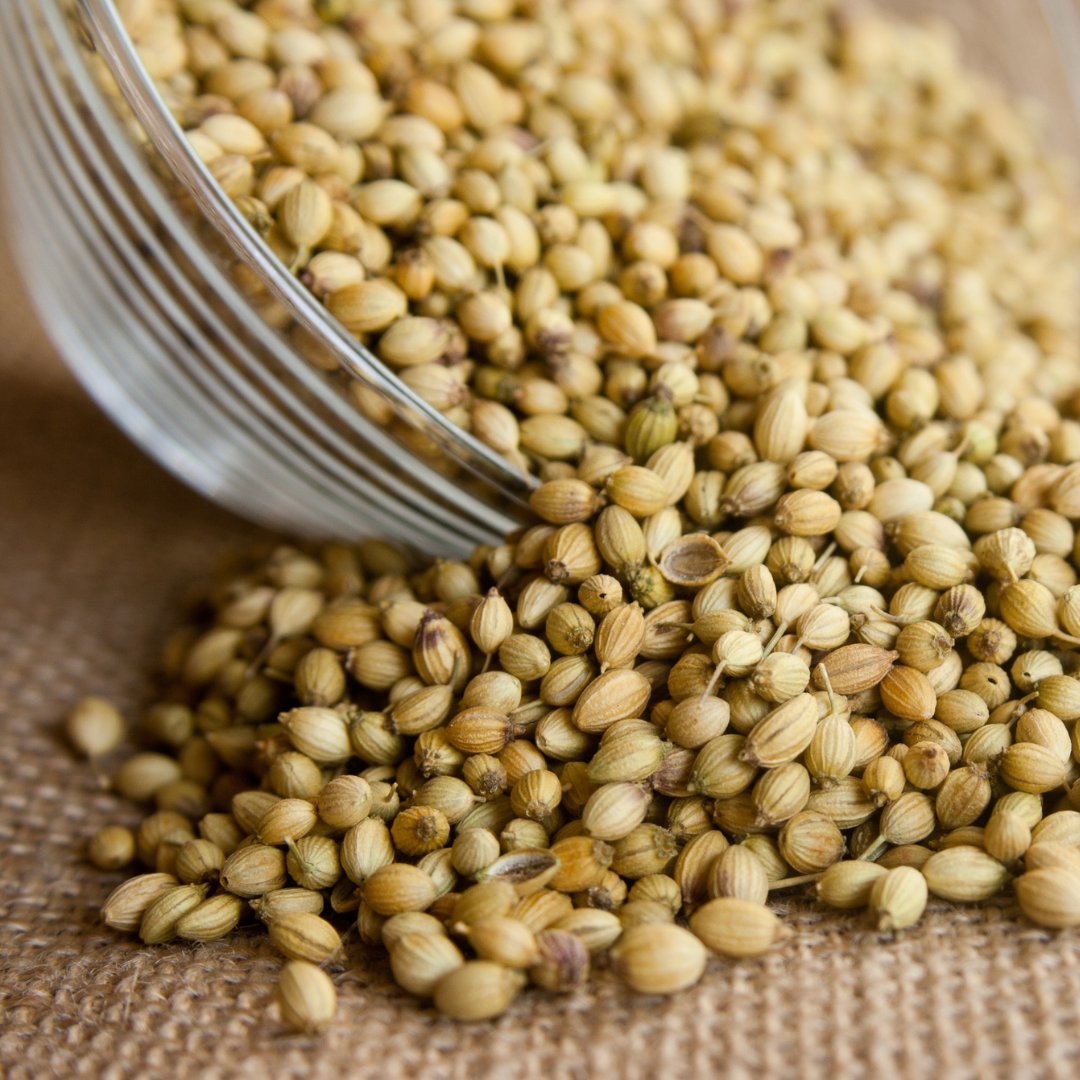

Coriander, also known as Coriandrum sativum, is a plant with a wide range of culinary and health applications. Its leaves and seeds are valued for the unique taste and health properties. Coriander is widely used in different cuisine of the world, from Asian to the Mediterranean, where it adds dishes not only aromatic taste, but also health benefits. It is worth taking a closer look at its properties and applications to fully understand how it can support our health.
Coriander as a spice - the role of coriander in the kitchen and how to use it in dishes
Coriander, both in the form of fresh leaves and dried seeds, is widely used in kitchens around the world. Its fresh leaves, often called "coriaander", have a fresh, lemon taste, which goes perfectly with rice -based dishes, soups, salads and meat dishes. Coriander leaves are also the basic component of many Mexican and Indian dishes. Coriander seeds, which are more bitter and spicy, are used in ground form as a spice for curry, marinades, as well as an addition to bread and baking. Both of these ingredients add depth of taste to dishes and help to extract the full aromas.Coriander - health properties. Benefits for the body and nutrients present in coriander
Coriander is rich in nutrients that can bring numerous health benefits. Coriander leaves contain vitamins such as vitamin A, C, K and B vitamins, which support the functioning of the body and strengthen the immune system. Coriander seeds are a source of fiber, minerals (including iron, magnesium, calcium, potassium) and antioxidants that help protect cells against oxidative stress. Regular consumption of coriander can support detoxification processes, improve digestion, and also have anti -inflammatory effect. In addition, coriander has antimicrobial properties that can support intestinal health and general well -being.Coriander - what can it be used for? Use of coriander in various dishes and dishes
Coriander has versatile use in the kitchen. Fresh leaves are an ideal addition to salads, sals and grilled dishes. They can also be used as a decoration of dishes, which not only improves their aesthetic, but also taste. Coriander seeds, both in the form of all and ground, are often used in preparing spices and marinades, as well as in Asian cuisine, where they add depth of flavor to stir-fry, curry and soups. Coriander is also used in baked goods, such as breads or cakes, where its aromatic seeds introduce an interesting taste accent. It is worth experimenting with various forms of coriander to enrich your dishes with its unique taste and health.Coriander contraindications - when it is worth being careful or avoiding its use
Although coriander is generally safe for most people, there are some situations in which caution should be exercised. People with food allergies or hypersensitivity to plants from the celery family may experience allergic reactions after consumption of coriander. For people with stomach problems, such as ulcers or reflux, coriander can worsen symptoms. In addition, people taking anticoagulants should consult a doctor before regular coriander consumption due to its potential anticoagulant effect.Coriander in pregnancy - tips and information on the use of coriander during pregnancy
During pregnancy, caution is recommended in the use of coriander. Although small amounts of coriander in the diet are usually safe, high doses of supplements or coriander extracts can affect the level of hormones and digestive processes. Pregnant women should avoid the use of coriander in the form of concentrated extracts or large amounts of spices. It is worth consulting a doctor before introducing more coriander to your diet to make sure that it is safe in an individual case. Coriander, both as a spice and an element of a healthy diet, offers many health and culinary benefits. Its versatility in the kitchen and nutritional properties make it a valuable ingredient that is worth introducing into the daily menu, but remembering possible contraindications and caution in special health situations.Sources
Srinivasan, K. (2005). Spices as benefital hypoglycemic agents. Journal of Medicinal Food, 8 (1), 1-11. Kumar, P., & Singh, A. (2013). Phytochemical and Pharmacological Properties of Coriandrum Sativum L.: A review. Journal of Pharmacognos and Phytochemistry, 2 (3), 159-166. Foster, S. (2006). Herbal Medicine. Integatic Medicine, 5 (3), 14-19.
Dietician
Karolina Dobrowolska-Zrałka
doktor nauk medycznych i nauki o zdrowiu, dietetyk kliniczny Absolwentka studiów I i II stopnia na kierunku dietetyka oraz doktorantka w Szkole Doktorskiej Uniwersytetu Medycznego we Wrocławiu
Więcej artykułów autoraLooking for a nutritious and filling meal?
Discover Supersonic Smart Meal! A nutritious meal you can prepare in seconds!

150 reviews
![Ranking kreatyny [2026] - TOP 10 produktów, które warto znać](http://supersonicfood.com/cdn/shop/articles/kreatyna-ranking_c1a64d3a-0854-4df3-8a54-c034300baab7.jpg?format=webp&v=1786623654&width=1100 "Ranking kreatyny [2026] - TOP 10 produktów, które warto znać")


