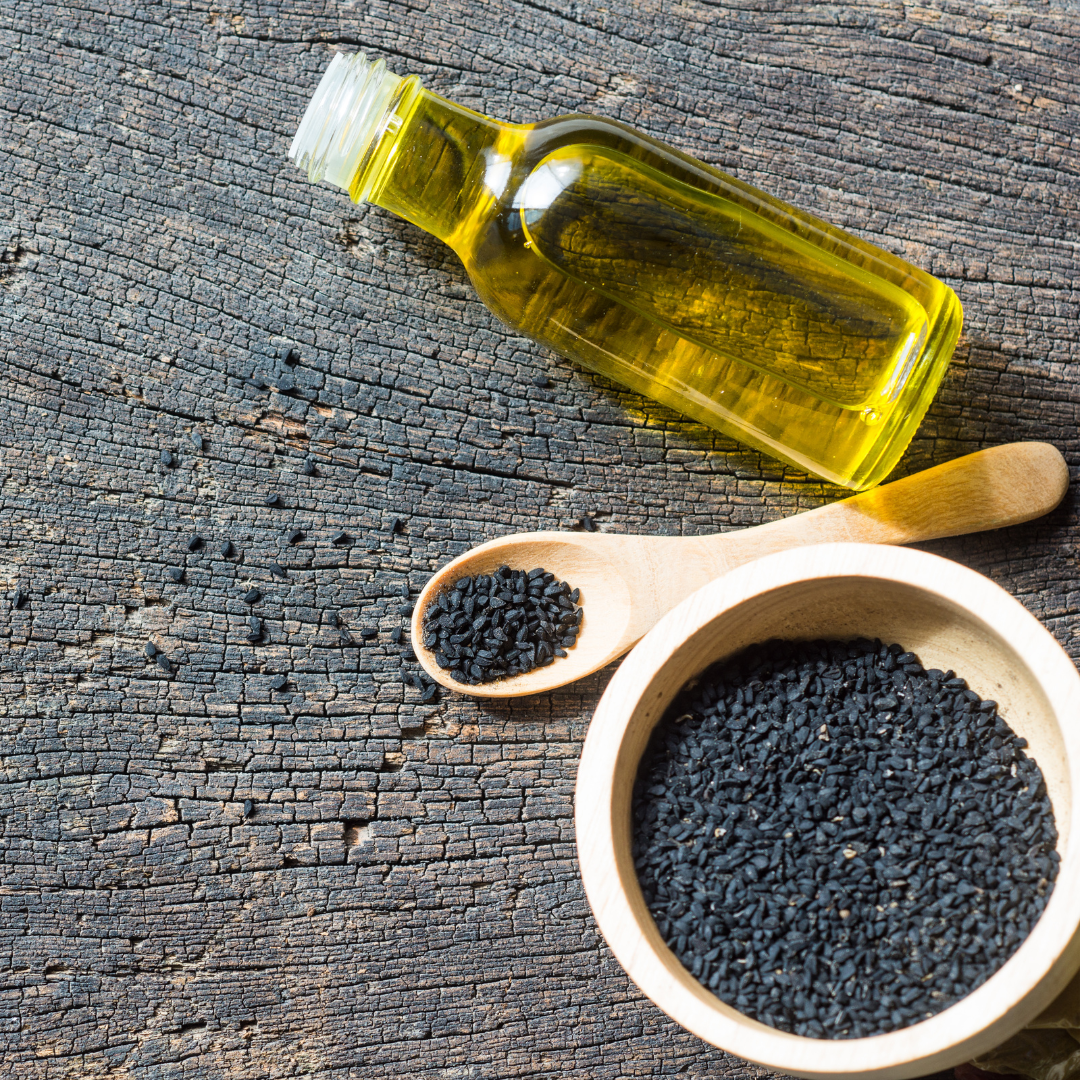

Black cumin oil (Nigella sativa) is one of the oldest and most valued vegetable oils, known for its versatile health properties. Rich in unsaturated fatty acids, antioxidants and bioactive compounds, black cumin oil is gaining popularity as a dietary supplement and a natural health supporting agent. In this article, we will look in detail the health properties of black cumin oil, its applications, contraindications and practical advice on its use.
Black cumin oil - health properties and benefits for the body
Black cumin oil contains a number of ingredients that contribute to its numerous health benefits. The most important are unsaturated fatty acids (Omega-3, Omega-6, Omega-9), thymoquinone, flavonoids, saponins, vitamins and minerals.Health properties of black cumin oil
Black cumin oil has anti -inflammatory, antibacterial, antiviral, antifungal and antioxidant effects. Regular use of black cumin oil can bring many health benefits, such as:- Supporting the immune system - Tymochinone, the main active ingredient of black cumin oil, has a strong immunomodulatory effect, supporting the body's immunity.
- Anti -inflammatory effect - Black cumin oil helps to reduce inflammation, which is beneficial for people with autoimmune diseases such as rheumatoid arthritis.
- Blood sugar level adjustment - Studies indicate that black cumin oil can help in regulating blood glucose, which is beneficial for people with diabetes.
- Digesting support - Black cumin oil can support the health of the digestive system, soothing ailments such as flatulence, indigestion and constipation.
- Protection against oxidative stress - Antioxidants present in black cumin oil help to protect cells against damage caused by free radicals.
Black cumin oil - use
Black cumin oil is also valued for its care properties, especially in the context of hair and skin health.Black cumin oil in the diet
Black cumin oil can be added to various dishes to enrich the diet with valuable nutrients. It can be used as an addition to salads, yogurt, smoothie or sauces. Eating black cumin oil in the diet can contribute to improving the health of the heart, digestive system and general well -being.Black cumin oil for hair and skin
Black cumin oil used externally can bring benefits for hair and skin health. It can be used as a hair mask, an addition to a shampoo or conditioner, as well as a scalp massage oil. Regular use of black cumin oil for hair can help strengthen them, moisturize and prevent falling out. Black cumin oil on the skin has a soothing effect, soothing irritations and inflammation, as well as supporting the regeneration of the epidermis.Black cumin oil - contraindications
Despite many health benefits, black cumin oil is not suitable for everyone. There are some contraindications that should be taken into account before its use in the diet.Contraindications for the use of black cumin oil
Contraindications for the use of black cumin oil include interaction with medicines, pregnancy and breastfeeding and allergies. Black cumin oil can affect some drugs, especially those used in the treatment of diabetes, hypertension and immunosuppressive drugs. People taking these drugs should consult a doctor before starting from black cumin oil. Pregnant and breastfeeding women should avoid the use of black cumin oil, because its safety in these periods has not been tested enough. People allergic to plants from the glaucoma family should avoid the use of black cumin oil because it can cause allergic reactions.Black cumin oil - what can it help?
Black cumin oil is used to treat many ailments and diseases. Thanks to its anti -inflammatory, antibacterial, antiviral and antifungal properties, black cumin oil can bring relief in various disease states.What black cumin oil can help
Black cumin oil can help to alleviate allergy symptoms, such as hay fever, thanks to its anti -inflammatory and immunomodulatory properties. Studies indicate that black cumin oil can support asthma treatment by reducing inflammation in the respiratory tract. In addition, black cumin oil can be effective in the treatment of skin diseases such as acne, eczema and psoriasis, thanks to its antibacterial and anti -inflammatory properties. It also supports the health of the digestive system, alleviating the symptoms of indigestion, flatulence and constipation. Regular consumption of black cumin oil can support heart health, helping in regulating cholesterol and blood pressure.
Black cumin oil - what can you add to?
Black cumin oil is a versatile product that can be added to many dishes to enrich their nutritional value and taste.What can you add black cumin oil to
- Salads - black cumin oil can be used as salad dressing, adding it directly to vegetables or stirring with balsamic vinegar and herbs.
- Smoothie - Adding a few drops of black cumin oil to Smoothie will increase its nutritional value and provide additional health benefits.
- Yogurt - black cumin oil can be added to natural yogurt, creating a healthy and nutritious snack.
- Sauces and Dips - Black cumin oil can be used to prepare sauces and dips, giving them a unique taste and aroma.
- Bread - Black cumin oil can be added to bread, lubricating bread or rolls before baking.
Summary
Black cumin oil is an extremely valuable product that can bring many health benefits. His richness in unsaturated fatty acids, antioxidants and bioactive compounds make it valued both in natural medicine and in cosmetics. Regular use of black cumin oil can support the immune system, heart health, digestive system and hair and skin condition. It is important, however, to remember about contraindications and consult a doctor before starting the use of black cumin oil, especially if we take medicine or we have some diseases.Footnotes and sources
Ahmad, A., Husain, A., Mujeeb, M., Khan, S. A., Najmi, A. K., Siddique, N. A., ... & Anwar, F. (2013). A review on therapeutic potential of Nigella sativa: a miracle coat of arms. Asian Pacific Journal of Tropical Biomedicine, 3 (5), 337-352. Salem, M. L. (2005). Immunomodulators and Therapeutic Properties of the Nigella Sativa L. Seed. International Immunopharmacology, 5 (13-14), 1749-1770. Gali-Muhtasib, H., Roessner, A., & Schneider-Stock, R. (2006). Thymoquinone: A Promising Anti-Cancer Drug Natural Sources. The International Journal of Biochemistry & Cell Biology, 38 (8), 1249-1253.
Dietician
Karolina Dobrowolska-Zrałka
doktor nauk medycznych i nauki o zdrowiu, dietetyk kliniczny Absolwentka studiów I i II stopnia na kierunku dietetyka oraz doktorantka w Szkole Doktorskiej Uniwersytetu Medycznego we Wrocławiu
Więcej artykułów autoraLooking for a nutritious and filling meal?
Discover Supersonic Smart Meal! A nutritious meal you can prepare in seconds!

150 reviews
![Ranking kreatyny [2026] - TOP 10 produktów, które warto znać](http://supersonicfood.com/cdn/shop/articles/kreatyna-ranking_c1a64d3a-0854-4df3-8a54-c034300baab7.jpg?format=webp&v=1786623654&width=1100 "Ranking kreatyny [2026] - TOP 10 produktów, które warto znać")


