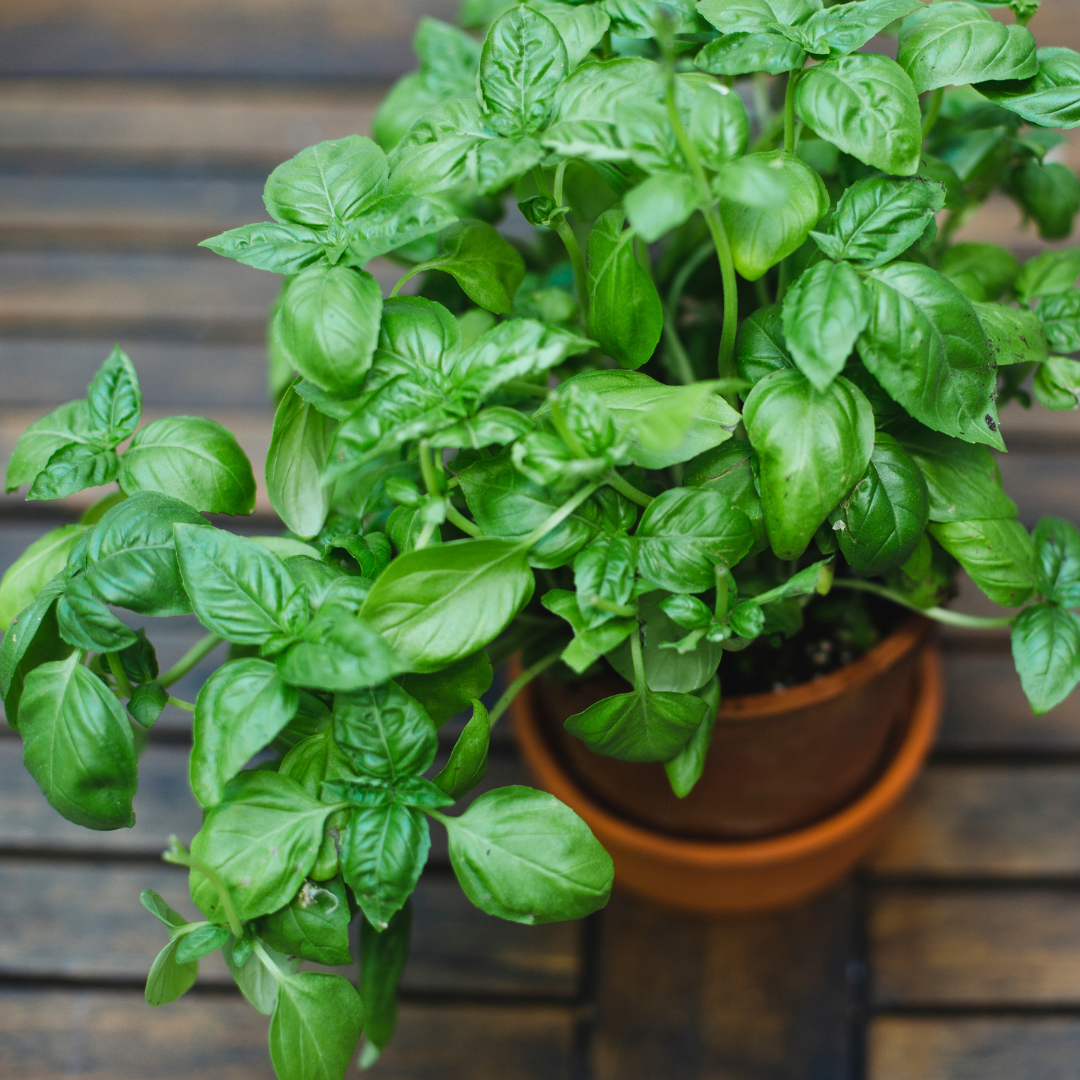

Basil, also known as Basilicum Ocimum, is one of the most popular spice plants in the world, valued both for its taste and for health properties. For centuries it has been used in different cuisine of the world, and its use goes far beyond the culinary. In this article, we will take a closer look at the health properties of the basil, its various applications, the role in the diet and possible contraindications.
Basil health properties - benefits for the body and natural nutrients
Basil is a source of many valuable nutrients. Its leaves contain vitamins A, C, K and minerals such as calcium, magnesium, iron and potassium. What's more, basil is rich in essential oils, such as eugenol, linalool and methylchawikol, which are responsible for its characteristic smell and health properties.Antibacterial properties
Studies indicate that the essential oils contained in the basil have a strong antibacterial effect. Eugenol, which is the main ingredient of basil oil, has antibacterial effects on various pathogens, including bacteria such as Staphylococcus Aureus and Escherichia coli. It has also been shown that basil oil effectively inhibits the growth of bacteria responsible for oral diseases and respiratory tract infections.Anti -inflammatory properties
Basil is also known for its anti -inflammatory properties. Relationships such as Eugenol and Linalool can help reduce inflammation in the body. In vitro studies, Eugenol showed the ability to inhibit pro-inflammatory enzymes, such as cyclooxygenase-2 (COX-2). These effects can contribute to alleviating inflammation symptoms such as joint pain or dermatitis.Basil - use in the kitchen and various use in dishes
Basil is extremely versatile in the kitchen. Its leaves are often used fresh as an addition to salads, sauces, soups and main dishes. In Italian cuisine, basil is an important ingredient in pesto, a popular sauce prepared from its fresh leaves, pine nuts, garlic, olive oil and Parmesan cheese. In addition to fresh leaves, basil is available in dried form and as a paste and oil. Dried basil is often used in spices and herbal mixtures, where it adds a deep taste. Basil oil, obtained by steam distillation, is used both in the kitchen and in natural medicine.Basil as a medicine - traditional use in natural medicine
In traditional medicine, basil was used to treat various ailments. In India, where basil is known as Tulsi or Holy Basil, this plant has special spiritual and health significance. Tulsi is valued for its adaptogenic effect, helping the body deal with stress and strengthen the immune system. In folk medicine, basil was used to relieve headache, improve digestion, and as an antiviral agent. Basil infusion is used to alleviate cough, sore throat and stomach problems.Is basil healthy? The role of basil in a healthy diet and influence on the body
Basil, thanks to its nutritional and health properties, can be a valuable addition to the diet. It contains antioxidants that neutralize free radicals, helping to protect cells against oxidative damage. Adding fresh basil to the diet can support the immune system, improve digestion and have a positive effect on heart health thanks to the presence of vitamins and minerals. Thanks to the low glycemic index, basil can also be beneficial for people with blood sugar problems. Regular consumption of basil can help maintain a stable sugar level, which is beneficial for people with type 2 diabetes.Basil - contraindications and factors that are worth considering before using it
Despite numerous health benefits, basil is not suitable for everyone. People who are allergic to plants from the family can react allergically to basil. In addition, excessive consumption of basil oil can lead to gastrointestinal irritation. In the case of pregnant and nursing women, before the introduction of basil in large quantities, consultation with a doctor is recommended to the diet. In addition, people taking anticoagulants should consult a doctor because basil in large quantities can affect anticoagulant drugs.Summary
Basil is not only an aromatic herb that enriches our dishes, but also a plant with numerous health properties. Its antibacterial and anti -inflammatory effect makes it a valuable component of the diet that supports the body of the body. The varied uses of basil, both culinary and healing, make it worth including it in your daily diet. However, as in the case of any supplement or a diet component, you should keep moderation and include any contraindications.Sources
E. M. Singh, S. D. Sharma, "Antioxidant and Anti-Inflammators Activities of Basil (Ocimum Basilicum) and ITS Essential Oil", Journal of Food Science and Technology, 2016. R. C. Miller, "Therapeutic Applications of Basil (Ocimum Basilicum)", International Journal of Herbal Medicine, 2017. J. T. Williams, "The Role of Basil in Traditional Medicine", Journal of Ethnopharmacology, 2015. A. M. Brandi, "Basil and Its Health Benefits: A Comprehensive Review", Phytotherapy Research, 2018.
Dietician
Karolina Dobrowolska-Zrałka
doktor nauk medycznych i nauki o zdrowiu, dietetyk kliniczny Absolwentka studiów I i II stopnia na kierunku dietetyka oraz doktorantka w Szkole Doktorskiej Uniwersytetu Medycznego we Wrocławiu
Więcej artykułów autoraLooking for a nutritious and filling meal?
Discover Supersonic Smart Meal! A nutritious meal you can prepare in seconds!

150 reviews
![Ranking kreatyny [2026] - TOP 10 produktów, które warto znać](http://supersonicfood.com/cdn/shop/articles/kreatyna-ranking_c1a64d3a-0854-4df3-8a54-c034300baab7.jpg?format=webp&v=1786623654&width=1100 "Ranking kreatyny [2026] - TOP 10 produktów, które warto znać")


