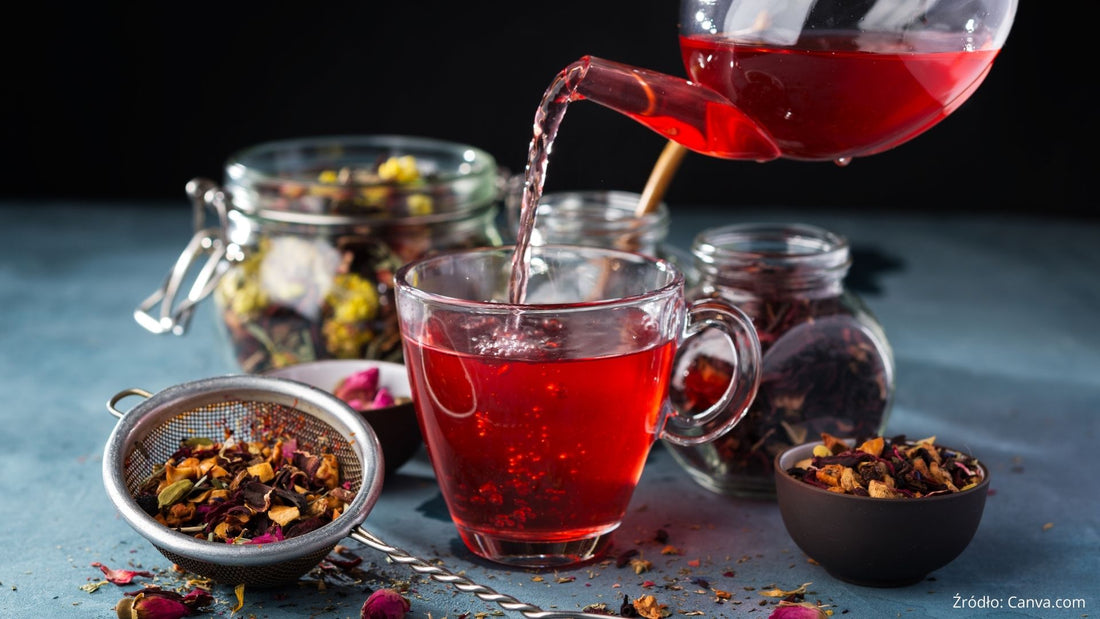

Red tea, often called PU-ERH, is a drink with a rich tradition, which has been popular in Asia for centuries, especially in China, where it is valued not only for the taste, but above all for numerous health benefits. In recent years, it has been gaining popularity also in other parts of the world, mainly thanks to its potential properties supporting the slimming process. In this article, we will take a closer look at this unique tea, discussing its valuable properties, both positive and possible negative effects, impact on weight reduction, and we will also think about the safety of its consumption in the evening and by pregnant women.
Red tea - valuable properties and health benefits
Pu-erh red tea is produced mainly in the Chinese province of Yunnan and differs from other types of teas with its fermentation process, which gives it a specific, earthy taste and unique health properties. It is semi -fermented tea, which means that the fermentation process is short and intermittent, which gives its characteristic color and taste. One of the most important ingredients of red tea are polyphenols that act as strong antioxidants, neutralizing free radicals in the body. Free radicals are unstable particles that can damage cells, leading to inflammation and accelerating the aging process. Thanks to the high content of polyphenols, regular consumption of red tea can support protection against oxidative stress, which is important in the prevention of many chronic diseases, such as atherosclerosis, diabetes or cancer. Red tea is also known for its positive effect on the digestive system. Stimulates the secretion of digestive juices, which supports digestion and absorption of nutrients. In addition, PU-ERH can detoxify, supporting the removal of toxins from the body, which is particularly beneficial for people who want to cleanse their body.Red tea - positive aspects and potential negative effects
Eating red tea is associated with many health benefits, but like any product, it also has some potential negative effects that are worth considering.Positive aspects
- Digesting support - As mentioned earlier, red tea stimulates the digestive system, which can help alleviate stomach problems such as flatulence or indigestion.
- Body detoxification- red tea supports the removal of toxins from the body, which can contribute to the improvement of general well -being and support the functioning of the liver.
- Support for the cardiovascular system - Thanks to the content of polyphenols, red tea can help reduce cholesterol, which is beneficial to the health of the heart and blood vessels.
Potential negative effects
- Caffeine content - red tea contains caffeine, which means that its excessive consumption can lead to symptoms such as insomnia, nervousness or accelerated heartbeat, especially in caffeine sensitive people.
- Drug interactions - Due to the content of tannins, red tea may affect the absorption of some drugs, in particular those containing iron, which is why people taking medicines should consult a doctor before consuming this tea regularly.
- Potential effect on the stomach - In some people, red tea can cause stomach irritation, especially when consumed on an empty stomach.
Red tea - does it support the slimming process?
One of the most discussed aspects of red tea is its potential impact on the weight loss process. Many people reach for red tea with hope for faster losing kilos, but does it really have such properties? Scientific research suggests that red tea can support slimming in several ways. First of all, red tea can increase the metabolism rate, which promotes calorie burning. Polyphenols contained in tea, and in particular catechins, can increase thermogenesis, i.e. the heat production process in the body, which in turn contributes to increased fat burning. In addition, red tea can help in regulating blood sugar levels, which is important in controlling appetite and preventing hunger attacks. This impact is particularly beneficial for people with insulin resistance or type 2 diabetes. However, it is worth noting that red tea is not a wonderful remedy for slimming and its effects will be best visible in combination with a proper diet and physical activity.Red tea - can you drink it in the evening?
The question often arises whether red tea can be consumed in the evening, especially because of the caffeine content. The answer to this question depends largely on individual caffeine tolerance and the amount of tea consumed. Red tea contains less caffeine than coffee, but more than most green teas. For some people, especially those sensitive to caffeine, drinking red tea in the evening can lead to problems falling asleep or deterioration of sleep quality. If you plan to drink red tea in the evening, it is worth considering consuming at least a few hours before bedtime to avoid potential problems. On the other hand, for people who are not particularly sensitive to caffeine, a moderate amount of red tea consumed in the evening should not be a problem. It is also worth noting that red tea can have a relaxing and supporting digestion, which can be beneficial after an evening meal.Red tea during pregnancy - safe use and potential benefits
The issue of consuming red tea by pregnant women raises a lot of controversy. As with other caffeine -containing teas, caution is recommended in consuming it. Caffeine penetrates the placenta and can affect the developing fetus, which is why pregnant women should monitor the amount of caffeine consumed and not exceed the recommended standards. Red tea can be safe in moderate amounts, but it is worth consulting a doctor before her consumption during pregnancy regularly. In addition to caffeine, red tea also contains polyphenols that can have a positive effect on the mother's health, supporting the immune system and helping to control blood sugar levels. However, you should avoid consuming large amounts of red tea on an empty stomach, as this can lead to irritation and reflux, which is particularly undesirable during pregnancy.How to properly brew red tea to maintain its health properties?
To fully enjoy the health benefits of drinking red tea, it is important to brew it properly. The brewing process is important for maintaining active ingredients of tea, such as polyphenols and antioxidants. Here are the steps that are worth taking to prepare the perfect cup of red tea: Water temperature - red tea is best burned in water at a temperature of about 90 ° C. Too hot water can destroy delicate nutrients, and too cool may not bring out the full taste and aroma. Brewing time - The standard brewing time of red tea is 3-5 minutes. Longer brewing can make tea too bitter. Tea - It is recommended to use one teaspoon of dried a cup (about 200 ml) of water. This amount can be adapted to your own taste preferences. Red tea can be drunk both hot and cold. Depending on the season and individual preferences, you can add a slice of lemon to it, a little honey or other additions that will enrich the taste and additionally emphasize its health properties.Summary
Red tea is a drink with exceptional properties that can support health at many levels. Its regular consumption can bring numerous benefits, such as digestive support, detoxification of the body, support in the slimming process, as well as protection against oxidative stress. However, it is worth remembering about potential negative effects, such as the effect on the absorption of drugs, stomach irritation or caffeine content, which requires moderate and conscious consumption. Pregnant women should be particularly careful about the consumption of red tea and consult a doctor before her drinking regularly. Correct brewing tea is important for maintaining its health properties, so you should follow a few simple rules to fully enjoy its benefits.Sources
Cabrera, C., Artacho, R., & Giménez, R. (2006). Beneficial effect of green and white tea - A review. Journal of the American College of Nutrition, Beresniak, A., Duru, G., Berger, G., & Bremond-Gignac, D. (2012). Relationship Between Black Tea Consumction and Key Health Indicators in the World’s Largest Tea-Drinking Nations. Nutrition & Metabolism, 9 (1), 1-8. Lambert, J. D., & Elias, R. J. (2010). The Antioxidant and Anti-Inflammators Effects of Tea Catechins. Free Radical Biology and Medicine, 51 (9), 1374-1381. Vinson, J. A., & Dabbagh, Y. A. (1998). Effect of Green and Black Tea Supplementation on Lipids, Lipid Oxidation and Fibrinogen in the Hamster: Mechanisms for the Epidemiological Benefits of Tea Drinking. Febs Letters, 433 (1-2), 44-46. Sun, C. L., Yuan, J. M., Koh, W. P., & Yu, M. C. (2006). Green Tea, Black Tea and Colorectal Cancer Risk: A Meta-Analysis of Epidemiologic Studies. Carcinogenesis.
Dietician
Karolina Dobrowolska-Zrałka
doktor nauk medycznych i nauki o zdrowiu, dietetyk kliniczny Absolwentka studiów I i II stopnia na kierunku dietetyka oraz doktorantka w Szkole Doktorskiej Uniwersytetu Medycznego we Wrocławiu
Więcej artykułów autoraLooking for a nutritious and filling meal?
Discover Supersonic Smart Meal! A nutritious meal you can prepare in seconds!

150 reviews


