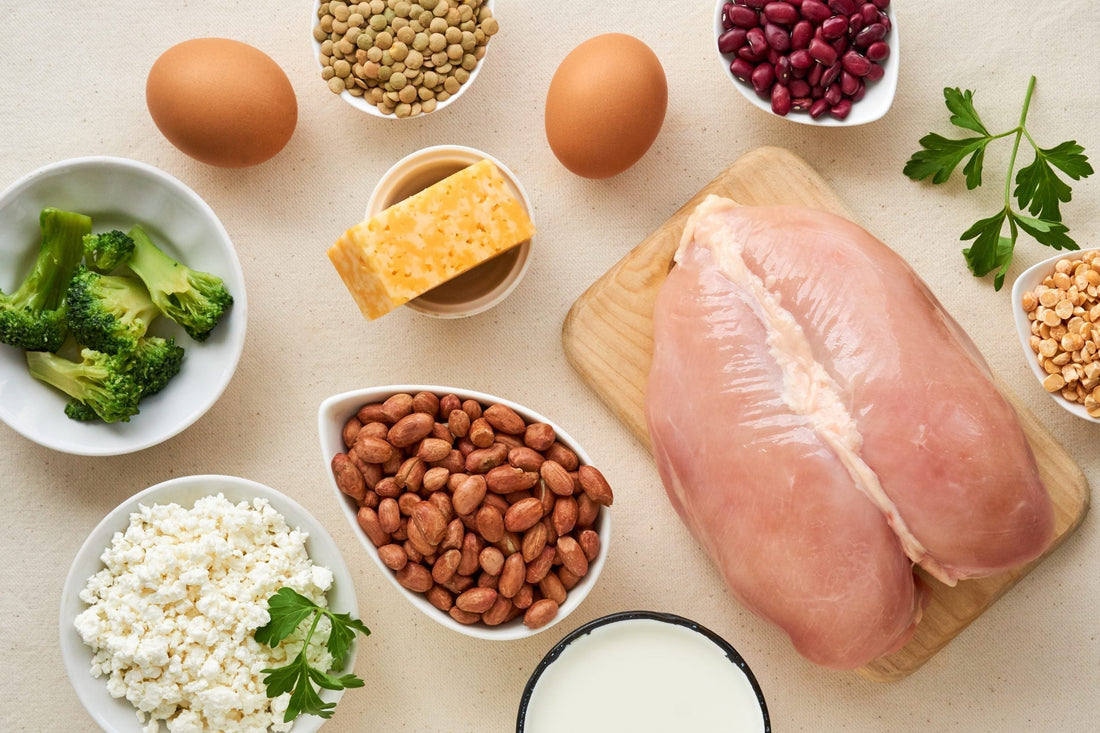

Knowing where to get protein is crucial both for physically active people and those who want to take care of their health and proper body weight. Protein is provided primarily by products of animal and plant origin, although they differ in amino acid composition, bioavailability and additional ingredients (fats, carbohydrates and antinutrients). It is worth knowing not only the protein content in individual product groups, but also the rules of combining them to make the diet complete.
Protein plays the role of a building, enzymatic and transport material, therefore its appropriate quantity and quality in the diet influences tissue regeneration, functioning of the immune system and stabilization of hormonal balance. For people on a vegetarian and vegan diet, knowledge of plant protein sources is necessary to supplement exogenous amino acids, some of which may be present in smaller amounts than in animal products.
Culinary processing, such as cooking, baking or frying, may change protein digestibility and its content (due to the loss of some amino acids or denaturation). The processes of fermentation and germination of plant seeds help reduce the level of digestive enzyme inhibitors, which results in better protein utilization. Knowing the differences between sources makes it easier to compose meals rich in protein and minimize losses resulting from preparation.
In this review, we will discuss four main groups of products: animal (meat, fish, eggs, dairy products), plant (legumes, cereals, nuts and seeds), special alternatives for vegetarians and vegans (tofu, tempeh, seitan, protein supplements) and present practical values of the protein content in 100 g of individual products. Thanks to this, you will learn what products are worth including in your diet to achieve your goals related to body weight, regeneration or supporting metabolic health.
Protein in animal products
Products of animal origin are considered to be the highest quality sources of protein due to the full set of exogenous amino acids in optimal proportions. This group includes red meat (beef, veal), poultry (chicken, turkey), fish (salmon, cod, mackerel), seafood (shrimp, mussels), dairy products and eggs. Their advantage is due to high digestibility (approx. 95-99%) and excellent bioavailability, which means that almost all of the protein consumed can be used by the body.
The most popular source is lean poultry, which provides approximately 23–25 g of protein per 100 g serving. Lean beef may exceed 26 g, while containing heme iron and B vitamins. Red meat, apart from its high protein content, also contains larger amounts of saturated fatty acids, so it is worth choosing leaner cuts and limiting consumption to 2-3 portions a week.
Fish and seafood are an excellent source of protein (approximately 20 g/100 g) along with polyunsaturated omega-3 acids, essential for the cardiovascular system and the brain. Fatty varieties, such as salmon or mackerel, offer about 22-24 g of protein and valuable EPA and DHA. Frying or baking has little effect on protein levels, but it is worth avoiding breading and fatty additives to maintain a favorable fat profile.
Chicken eggs are another prototypical full-value product - one large egg (approx. 60 g) contains approximately 6-7 g of highly digestible protein (approx. 95%). Egg white is almost free of fat and carbohydrates, which makes it a perfect addition to protein shakes or omelets. Consuming 3 to 5 eggs a week is considered safe in terms of blood cholesterol levels in healthy people.
Dairy products, including milk, yogurts, kefir and cheese, provide from 3 g (milk with 1% fat) to up to 25 g of protein (cottage cheese, rennet cheese). Whey, a by-product of cheese production, is the basis for protein powders with a concentration of 70-90% pure protein. Dairy products also provide calcium, which supports bone health, and fermented products provide probiotics that improve intestinal microflora.
Protein in plant products
Plant sources of protein include a wide range of products, from legumes (lentils, chickpeas, beans, soybeans), through cereals (oats, quinoa, amaranth, buckwheat), to nuts (almonds, walnuts) and seeds (chia, linseed, sunflower seeds). Their protein content per 100 g can range from 7 g (grains) to even 36 g (soy protein isolates), but the key is to combine different products to obtain a full amino acid profile.
Legumes are the basis of a plant-based protein diet - beans or chickpeas provide approximately 7-9 g of protein per 100 g of cooked product, and soybeans provide almost 16 g. They are also rich in fiber, B vitamins and microelements (iron, magnesium). Cereals such as oats (13 g) or quinoa (14 g) complement the deficiencies of sulfur amino acids (methionine), which are found in smaller amounts in legumes.
Seeds and nuts offer high caloric density: almonds contain about 21 g of protein, and chia seeds 17 g/100 g. They also contain healthy fats and lignans that support the prevention of lifestyle diseases. Including them in cocktails or salads increases the nutritional value of the meal, although you should pay attention to portions due to their calorie content.
Fermentation (e.g. tempeh) or seed sprouting reduces the level of protease inhibitors and phytates, which improves the digestibility of plant protein. Vegetable protein isolates (pea, rice, hemp) are becoming more and more popular as an addition to cocktails, snacks and baked goods - they combine high protein content (approximately 80-90%) with ease of preparation and long shelf life.
Protein sources for vegetarians and vegans
Vegetarians and vegans can successfully meet their protein needs by basing their diet on plant products and special substitutes. Tofu (8-12 g of protein/100 g), tempeh (18-19 g), seitan (25 g - wheat protein) and plant protein supplements (40-90% pure protein) are the foundation of a meatless diet. The key is to diversify and combine different sources to get a full complement of amino acids.
A good solution are also mixtures, e.g. pea and rice, which complement each other's amino acid deficiencies. Legumes can be combined with whole grains, nuts and seeds to create dishes with high biological value. A meal composed in this way meets the demand for protein while providing fiber and valuable micronutrients.
Protein-enriched products are also available for vegans, such as plant-based yogurts, milks and bars, but it is worth reading labels to avoid excess sugars and emulsifiers. Supplements such as pea, hemp or soy protein isolate help you easily add an extra portion of protein to smoothies, oatmeals or pancakes.
A vegetarian and vegan diet requires conscious meal planning, but with the appropriate selection of products, you can easily achieve the recommended 1.0-1.2 g of protein per kg of body weight (or more, with intense physical exercise), without having to reach for animal products.
How much protein in 100 g of the product?
Knowing the approximate values of protein content in 100 g helps you compose meals faster. Among animal products, the most popular products include lean beef (26-28 g), chicken breast (23-25 g), tuna and cod (20-23 g). Chicken eggs provide approximately 12–13 g of protein, and semi-skimmed cottage cheese – 18–20 g per 100 g.
In the group of fish, fatty varieties, such as salmon or mackerel, contain 22-24 g of protein, but at the same time provide valuable omega-3 fatty acids. Seafood, e.g. shrimp, offers about 18-20 g of protein, which makes it a valuable, low-calorie snack.
Among legumes, dried soybeans (36 g), boiled lentils - 9 g, chickpeas - 8 g, beans - 7-8 g. Cereals: quinoa - 14 g, oats - 13 g, amaranth - 13 g. Nuts and seeds: almonds - 21 g, chia seeds - 17 g, pumpkin seeds - 19 g.
Vegetable protein isolates (pea, soy) provide 80-90 g of protein per 100 g of product in powder form, which makes them the most concentrated source. When planning meals, it is worth combining products with higher and lower protein content to easily achieve the recommended portion of 20-30 g of protein per meal.
Sources
- Food Chemistry – “Effects of Processing on Protein Digestibility”
- Harvard T.H. Chan School of Public Health – The Nutrition Source: Protein
- United States Department of Agriculture (USDA) – FoodData Central
- World Health Organization (WHO)/FAO – Protein and Amino Acid Requirements in Human Nutrition
- European Food Safety Authority (EFSA) – Scientific Opinion on Protein and Amino Acid Requirements
- Journal of the International Society of Sports Nutrition – “Plant vs. Animal Protein: Biodigestibility and Health Impacts”
FAQ
How does thermal processing of food products change the protein content?
Thermal treatment, like cooking or baking, leads to the denaturation of proteins, which in most cases improves their digestibility because it loosens the structure of the molecules. However, cooking at high temperatures for too long may result in the loss of some amino acids (especially lysine) and a decrease in nutritional value. Short steaming or sous-vide cooking minimizes protein loss.
Does food storage affect protein stability and quality?
Low temperature storage (refrigeration, freezing) generally does not negatively affect the protein content. However, long-term storage in high humidity or in contact with air may promote the activation of proteolytic enzymes or the growth of microorganisms, which may reduce protein quality. Therefore, it is worth using vacuum packaging methods and controlling the temperature and storage time.
How to distinguish between natural protein and protein added as an enhancer on the label?
On the label, pay attention to the names of the ingredients: "protein isolate", "protein concentrate", "protein hydrolyzate" indicate added proteins. Natural protein comes from whole products (meat, eggs, dairy products, legumes) and is not specified in the composition. If the label states "total protein" without additional specifications, it is worth checking the ingredient list for isolated additives.
Do processed products always have less protein value than their fresh counterparts?
Not always. Technological processes such as thermization or ultrafiltration can concentrate protein (e.g. in whey or protein supplements), raising its content above the level of the natural product. However, many processed products contain added carbohydrates, fats and fillers, which may lower the percentage of protein in the entire serving.
What additions (e.g. spices, marinades) can affect the protein content of a dish?
Spices and marinades usually do not change the protein content, but may introduce additional ingredients that lower its percentage in the weight of the entire dish (sugars, fats, salt). Marinating in acidic solutions (vinegar, lemon) can slightly denature the surface of proteins, which sometimes improves their softness, but does not significantly affect the amount of proteins.

Dietician
Karolina Dobrowolska-Zrałka
doktor nauk medycznych i nauki o zdrowiu, dietetyk kliniczny Absolwentka studiów I i II stopnia na kierunku dietetyka oraz doktorantka w Szkole Doktorskiej Uniwersytetu Medycznego we Wrocławiu
Więcej artykułów autoraLooking for a nutritious and filling meal?
Discover Supersonic Smart Meal! A nutritious meal you can prepare in seconds!


