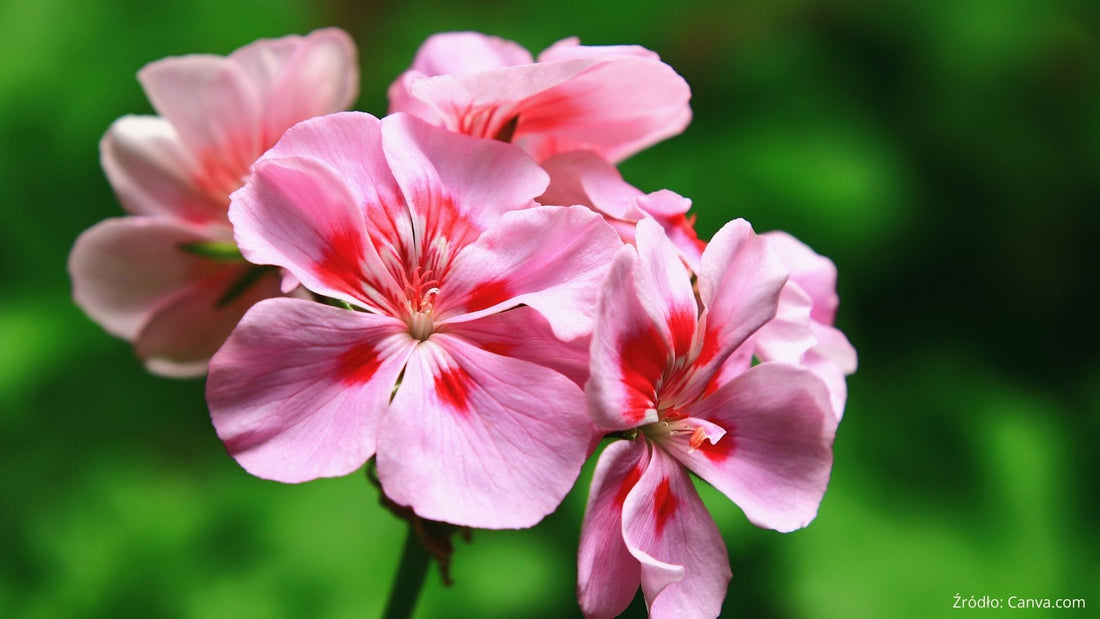

Geranium, also known as fragrant geranium, is a plant that has been used in natural medicine for centuries. Due to its numerous health properties, Geranium is valued not only for a beautiful smell, but also for versatility in the treatment of various ailments. In this article, we will discuss in detail the health benefits of the use of geranium, what its contraindications are and how this plant can be used every day.
Geranium properties - what health benefits can it bring?
Geranium is rich in essential oils that have numerous health -promoting properties. This plant contains ingredients such as Geraniol, Citronellol and Linalol, which are known for its antibacterial, antifungal and anti -inflammatory effects. Thanks to this, geranium can be used to treat skin infections, inflammation, as well as as a means of supporting wound healing. Geranium antibacterial effect is particularly valuable in the fight against microorganisms that can cause various infections. Geranium can be used as a natural antiseptic, helping in cleansing wounds and preventing the development of infections. In aromatherapy, Geranium oil is valued for its relaxing and anxiolytic properties, which makes him a great agent for stress and nervous tension. In addition, Geranium can support the immune system, thanks to which the body copes better with infections. It also has an analgesic effect, which can be helpful in alleviating muscle and rheumatic pains.Geranium in the ear - does it have a healing or cosmetic effect?
The use of geranium to the ear is one of the traditional ways of treating the middle ear infection, also known as otitis. Geranium oil, thanks to its anti -inflammatory and antibacterial properties, can be used as a natural agent supporting the treatment of ear infection. However, caution should be exercised because the use of essential oils around the ear requires prudence, especially in children and people with sensitive skin. In folk medicine, Geranium was often used as a supporting agent in the treatment of ear pain. It was recommended to place a fresh geranium leaf in the ear, which was to help relieve pain and reduce inflammation. Although this method has been known for a long time, it is worth consulting a doctor before applying it to avoid potential complications. Cosically, Geranium is used in skin care products due to its regenerating and anti -aging properties. Geranium oil can be used in creams, serums and tonics, helping to maintain healthy and elastic skin.Contraindications about geranium - when should you be careful?
Although Geranium is a plant with many health benefits, it is not without contraindications. People with sensitivity to essential oils may experience allergic reactions such as skin irritation, rash or redness. Before the first use of geranium oil to the skin, it is recommended to conduct an allergic test, applying a small amount of oil to the inside of the wrist. Pregnant and breastfeeding women should avoid the use of geranium, especially in the form of essential oils, because there are not enough tests confirming their safety in these periods. In addition, the use of geranium in the form of essential oil in children under 6 years of age also requires special caution and it is best to consult a doctor before using it. People taking drugs for hypertension or diabetes should seek medical advice before starting geranium, because this plant can affect blood sugar and blood pressure, which can lead to undesirable interaction with drugs.Geranium oil - application and potential effects
Geranium oil is one of the most valuable products from this plant. It is widely used in both aromatherapy as well as in cosmetics and natural medicine. Thanks to its versatile properties, geranium oil can be used for massage, inhalation, as well as as an addition to care cosmetics. In aromatherapy, geranium oil is valued for its relaxing and anxiolytic properties. It can be used in diffusers for air aromatization, which helps in reducing stress and improving mood. Massage using geranium oil can bring relief in muscle and joint pain, as well as improve blood circulation. Cosmetically, Geranium oil is often added to creams, balms and tonics, thanks to which it helps in moisturizing the skin, reduce wrinkles and improving elasticity. Its antibacterial and anti -inflammatory properties make him an ideal ingredient in problem skin care, prone to acne.What can you do with geranium leaves? Creative ways to use this plant
Geranium leaves, in addition to their use in natural medicine, can be used in many creative ways. In the kitchen, geranium leaves can be added to jams, desserts or drinks, giving them a delicate, floral aroma. In cosmetics, fresh geranium leaves can be used to prepare face tonics that have a refreshing and astringent effect on the skin. Geranium leaves can also be used as a natural insect repellent. Placed on window sills or wardrobes, they help scare away mosquitoes, flies and moths. They can also be added to the bath, which will allow them to use their relaxing and care properties.Summary
Geranium is a versatile plant, whose use in natural medicine, cosmetics and everyday life is extremely wide. However, like any natural remedy, it requires proper use and caution, especially for people with contraindications. Regular, skillful use of the benefits of Geranium can contribute to improving health and quality of life, while providing many pleasant sensual sensations.Sources:
Lis-Balchin M., Hart S., Simpson E., et al. "The Antimicrobial Effacy of Geranium Essential Oil." Journal of Applied Microbiology 1996; 81 (5): 375-380. The study confirms antibacterial and antifungal properties of geranium oil. Lawless J. "The Encyclopedia of Essential Oils: The Complete Guide to the Use of Aromatic Oils in Aromatherapy, Herbalism, Health & Well Being." Thorsons Publishers 1992. The book contains a wide description of the properties of essential oils, including geranium, and their use in aromatherapy. Sokovic M., Glamočlija J., Marin P.D., et al. "Antibacterial Effects of the Essential Oils of Commonly Consumed Medicinal Herbs Using An in Vitro Model." Molecules 2010; 15 (11): 7532-7546. The article discusses the antibacterial properties of essential oils, including geranium, towards various bacterial strains. Herman A., Herman A.P. "Essential Oils and Their Constitatents as Skin Penetration Enhancer for Transdermal Drug Delivery: A review." Journal of Pharmacy and Pharmacology 2015; 67 (4): 473-485. Review of literature on the use of essential oils, including geranium, in cosmetics and their effect on the skin. Singh M., Khanuja S.P., Rehan H.M., et al. "Essential oil as potential anti-inflamators agents: A review." Journal of Advanced Pharmaceutical Technology & Research 2014; 5 (3): 136-148. Review of anti -inflammatory properties of essential oils, including geranium oil.
Dietician
Karolina Dobrowolska-Zrałka
doktor nauk medycznych i nauki o zdrowiu, dietetyk kliniczny Absolwentka studiów I i II stopnia na kierunku dietetyka oraz doktorantka w Szkole Doktorskiej Uniwersytetu Medycznego we Wrocławiu
Więcej artykułów autoraLooking for a nutritious and filling meal?
Discover Supersonic Smart Meal! A nutritious meal you can prepare in seconds!

150 reviews


