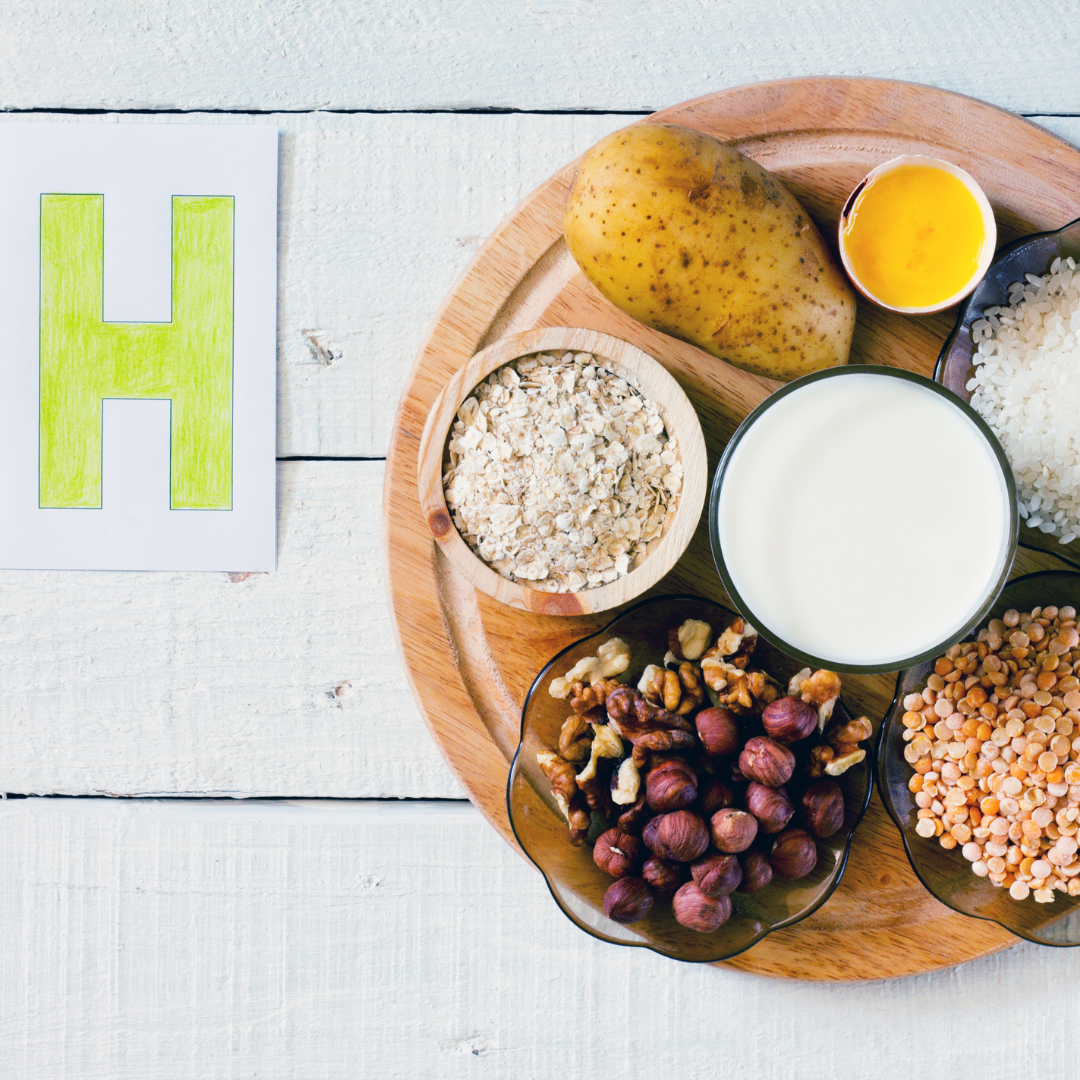

Biotin, also known as vitamin H, plays an important role in maintaining the health of hair, skin and nails. It is B group vitamin, which is necessary for many metabolic functions, including energy production and synthesis of fatty acids. Biotin deficiency can lead to problems such as hair loss, nail brittleness and skin irritation. That is why it is worth paying attention to the right amount of this vitamin in the diet.
What is biotin?
Biotin, also known as vitamin H or B7, is an essential nutrient that belongs to the vitamin B group of the complex. It is soluble in water, which means that the body cannot store it, so it must be delivered regularly with a diet. Biotin plays an important role in the metabolism of macronutrients, supporting the transformation of consumed proteins, fats and carbohydrates into energy. Thanks to its properties, biotin is almost irreplaceable in ensuring hair, skin and nails health.How does biotin work?
The mechanism of biotin action is complex and multi -faceted. Biotin is a cofactor for carboxylase enzymes that are important in metabolic routes. These enzymes participate in carboxylation reactions, necessary for the synthesis of fatty acids, gluconeogenesis and transformations of amino acids. Biotin supports hair health by stimulating the production of keratin, protein, which is the structure of the hair. In the skin, biotin helps in lipid production, which is important for maintaining hydration and elasticity. In addition, it cares for nail health, preventing them from breaking and splitting.Biotin deficiency - symptoms
Biotin deficiency is relatively rare, but can lead to serious clinical symptoms. Among the most common symptoms of biotin deficiency include:- Hair loss
- Nail brittleness
- Dermatitis (especially around the eyes, nose and mouth)
- Depression and mood changes
- Fatigue and general weakness
- Neurological disorders such as the numbness of the limbs and balance disorders
Biotin overdose - is it possible?
Biotin is water soluble, which means that its excess is excreted from the body along with the urine, which significantly reduces the risk of toxicity. Until now, the clear cases of biotin toxicity associated with excessive consumption, even at very high doses (up to 10 mg per day) have not been identified. However, overdose of biotin may interfere with the results of some laboratory tests, so you should always consult a doctor before starting supplementation.Biotin - side effects
Biotin is generally considered safe, but as with any supplementation, there is a possibility of side effects. In rare cases, there may be:- Allergic skin reactions
- Digestive problems such as nausea, diarrhea
- Metabolic disorders in the case of chronic excess supplementation
Biotin sources in the diet
Biotin is present in many food products, and a well -balanced diet should provide it with enough. The main sources of biotin include:- Eggs (yolks)
- Nuts (especially almonds, peanuts)
- Different types of meat (liver, kidneys)
- Olysste fish, such as salmon
- Whole grains
- Spinach and other green deciduous vegetables
- Dairy products (milk, yogurt)
- Legumes (lentils, beans)
Biotin and care
Biotin influence on hair
Biotin is often recommended for people with problems such as brittle hair, weak nails or dry skin. Its effect on the hair includes improving their condition, strengthening hair and reduction of loss. Biotin participates in the synthesis of keratin, which is the main building block of hair. Regular supply of the right amount of biotin can therefore contribute to the growth of stronger and healthier hair.Influence of biotin on the skin
Biotin also has a positive effect on the condition of the skin. Thanks to its properties that improves cellular metabolism, the skin can become more moisturized and elastic. In addition, by providing the right amount of biotin, you can minimize the risk of irritation, redness and dry skin. Sulfur compounds that are contained in biotin contribute to improving the condition of the skin and hair, supporting the production of healthy skin cells and new hair.Summary
Biotin, also known as vitamin H, plays an important role in maintaining the health of hair, skin and nails. It is necessary for the metabolism of macronutrients and supports the production of keratin, lipids and carboxylase enzymes. Biotin deficiency can lead to serious clinical symptoms, but its overdose is rare and usually harmless. Biotin supplementation in moderate amounts is safe, although it is always worth consulting a doctor before starting any supplement.Sources
Sciencedirect: role of biotin in human nutrition Journal of Dermatological Treatment: The Effects of Biotin On Hair and Nails Pubmed: Biotin Status: which are the risk groups?
Dietician
Karolina Dobrowolska-Zrałka
doktor nauk medycznych i nauki o zdrowiu, dietetyk kliniczny Absolwentka studiów I i II stopnia na kierunku dietetyka oraz doktorantka w Szkole Doktorskiej Uniwersytetu Medycznego we Wrocławiu
Więcej artykułów autoraLooking for a nutritious and filling meal?
Discover Supersonic Smart Meal! A nutritious meal you can prepare in seconds!

150 reviews


