
Dietician
Sea algae is plant organisms that grow in sea waters and oceans. For centuries, they have been used in the kitchen and traditional medicine in Asian countries. In recent years, they have gained popularity around the world as a superfood due to their unique nutritional and health -promoting properties. Two of the most famous species of sea algae are chlorella and spirulina, which are valued for their richness of nutrients and the ability to support health and detoxify the body.
Marine algae - a wealth of nutrients and health benefits
Sea algae is extremely rich in nutrients that are crucial for health. They contain vitamins A, C, E and K, as well as B vitamins, including B12, which is rare in plants. In addition, sea algae are a source of minerals such as iodine, iron, calcium, magnesium and zinc. Chlorella and spirulina are particularly rich in protein, which makes them a great addition to the vegetarian and vegan diet. Sea algae also contain antioxidants such as carotenoids and polyphenols that help protect cells against oxidative stress and support the health of the immune system.The health benefits resulting from the consumption of sea algae include
- Detoxification of the body - Chlorella is known for its ability to bind heavy metals and toxins, which supports their elimination from the body.
- Supporting the immune system - Sea algae strengthen the immune system due to the high content of antioxidants and bioactive compounds.
- Improving heart health - Consumption of sea algae can help reduce cholesterol and blood pressure, which contributes to better cardiovascular health.
- Support of cognitive functions - The content of omega-3 fatty acids in maritime algae can support brain health and improve cognitive functions.
Sea algae for drinking - how to prepare an infusion and what does it have?
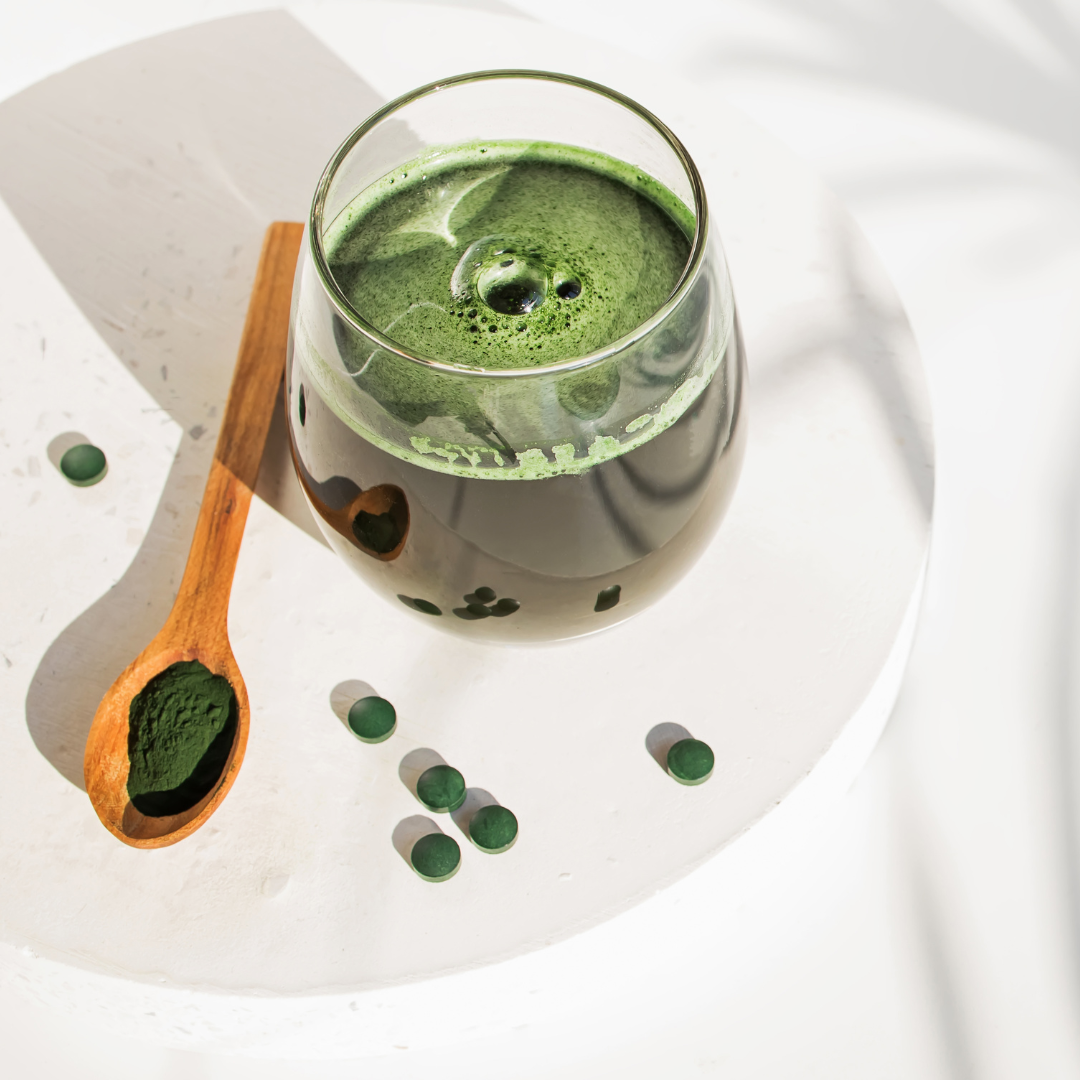
Sea algae can be consumed in the form of an infusion, which is an easy and accessible way to include them in your daily diet. To prepare an infusion of sea algae, dissolve 1-2 teaspoons of powdered chlorella or spirulina in a glass of water or juice. The infusion can also be enriched with additives such as lemon juice or honey to improve its taste. Regular drinking of marine algae infusion can support the detoxification of the body, improve digestion and strengthen the immune system.Sea algae in the diet - practical advice and various ways of using them in the kitchen
Sea algae can be included in the diet in many different ways, which makes them a versatile culinary ingredient. Here are some practical tips on the use of sea algae in the kitchen: Smoothie: Add 1-2 teaspoons of powdered spirulina or chlorella to smoothie to enrich them with protein and nutrients. Salads: Dried algae, such as Wakame or Nori, can be added to salads to give them a unique taste and texture. Soups: Sea algae are a popular addition to soups, especially in Japanese cuisine. They add taste and nutritional values. Snacks: Chips from Nori is a healthy and crunchy snack that can be easily prepared at home.Real sea algae - types and characteristics of real marine algae
There are many different types of sea algae, each of which has its unique properties and applications. Real sea algae include:- Chlorella: Freshwater microalga, known for its detoxification properties and high protein content.
- Spirulina: Cyanobacteria rich in protein, vitamins and minerals, often used as a dietary supplement.
- Nori: Thin, dried sea algae sheets, popular in Japanese cuisine, used to prepare sushi.
- Wakame: Brown sea algae, often added to soups and salads.
- Kelp: Brown sea algae rich in iodine, used in dietary supplements and as an addition to dishes.
Marine algae - contraindications and situations in which caution should be exercised
Although sea algae is generally safe and beneficial to health, there are some contraindications to consume them. People with hyperthyroidism should be careful because sea algae contains high iodine concentration that can affect the functioning of the thyroid gland. Pregnant and breastfeeding women should consult a doctor before including marine algae in the diet. In addition, people taking anticoagulants should consult a doctor because sea algae can affect blood clotting.Summary
Marine algae is a versatile superfood with many health benefits. Thanks to the richness of vitamins, minerals, protein and antioxidants, sea algae support the detoxification of the body, strengthen the immune system, improve heart health and support cognitive functions. Although sea algae is generally safe, it is worth being careful in some situations, especially for people with hyperthyroidism, pregnant and breastfeeding women, and people taking anticoagulants. Knowing this information, you can consciously use marine algae, deriving full health benefits.Sources
Becker, W. (2007). "Microalgae as a source of protein." Biotechnology Advans. Khan, Z., & Bhadouria, P. (2005). "Nutritional and therapeutic Potential of Spirulina." Current pharmaceutical biotechnology. Lafarga, T. (2019). "Effect of microalgal biomass incorporation into foods: nutritional and sensorial attributes and current applications." Food Research International.
Dietician
Karolina Dobrowolska-Zrałka
doktor nauk medycznych i nauki o zdrowiu, dietetyk kliniczny Absolwentka studiów I i II stopnia na kierunku dietetyka oraz doktorantka w Szkole Doktorskiej Uniwersytetu Medycznego we Wrocławiu
Więcej artykułów autoraLooking for a nutritious and filling meal?
Discover Supersonic Smart Meal! A nutritious meal you can prepare in seconds!

150 reviews


