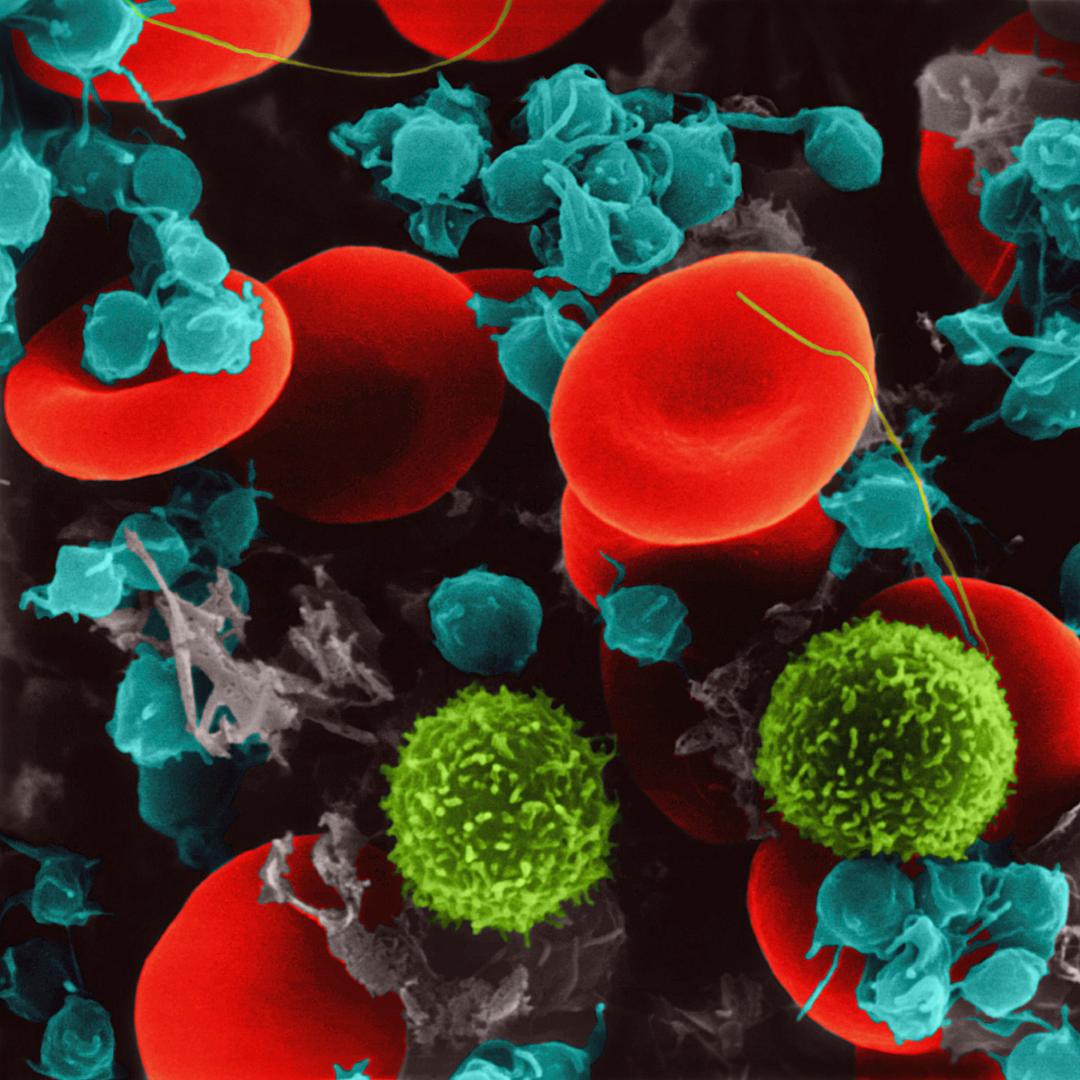

Stress is an integral part of the life of modern man. Although it can be mobilizing at low doses, its chronic form has numerous negative effects on health. One of the important areas that stress influences is the immune system, especially the level of lymphocyte in the blood. In this article, we will discuss what lymphocytes are, what functions they perform in the body, and how stress can affect their level and functioning of the immune system.
What are lymphocytes?
Lymphocytes are a kind of white blood cells that play an important role in the body's immune response. They are an important part of the immune system, whose task is to protect the body against infections, viruses, bacteria and other pathogens. Lymphocytes are produced in the bone marrow, and then ripen and migrate to various lymphatic organs, such as thymus, spleen or lymph nodes, where they play their important roles in immune response. There are three main types of lymphocytes: T lymphocytes, B lymphocytes and NK lymphocytes (Natural Killer). T lymphocytes are responsible for a cellular response. They can directly destroy infected cells, and support other immune cells in the fight against pathogens. B lymphocytes are responsible for the humoral response, i.e. the production of antibodies that are associated with pathogens, neutralizing them and marking them to destroy other cells of the immune system. NK lymphocytes are important in recognizing and destroying cancer cells and cells infected with viruses, acting directly on the basis of innate immunity. A healthy body maintains a balanced lymphocyte level, which is necessary for the proper functioning of the immune system. However, various factors, including stress, can affect their numbers and effectiveness.Stress and lymphocyte level - how stress can affect the immune system
Stress, especially chronic, can have a significant impact on the level of blood lymphocytes, which in turn affects the body's overall ability to defend against infections and diseases. One of the main mechanisms through which stress affects the immune system is the activation of the hypothalamic-pittel-exterior axis (HPA axis). In response to stress, the body increases the production of cortisol, a stress hormone that has a wide range of activity, including an impact on the functioning of the immune system. Increased cortisol levels can lead to immunosuppression, i.e. weakening the body's immune response. Cortisol inhibits the production and activity of lymphocytes, which results in a reduction in their blood. The reduced number of lymphocytes means weakened ability to combat infection and other threats, which makes the body more susceptible to diseases. Studies show that people exposed to chronic stress usually have a lower lymphocyte level, which can lead to increased incidence of viral infections such as flu or colds. Long -term lowering of lymphocyte levels can also increase the risk of cancer development, because the immune system is less effective in recognizing and destroying cancer cells.Stress and resistance - relationships between stress and the functioning of the immune system
The relationship between stress and immunity is complex and includes many biological mechanisms. In addition to affecting the level of lymphocyte, stress affects other elements of the immune system, such as cytokines, macrophages and dendritic cells that play an important role in initiating and regulating the immune response. Stress can lead to a change in the balance of cytokines in the body. Cytokines are proteins that regulate the immune response, and their discretion under the influence of stress can lead to excessive or insufficient response to pathogens. For example, stress can increase the level of pro-inflammatory cytokines, such as Interleukin-6 (IL-6), which leads to chronic inflammation in the body. Chronic inflammation is associated with the development of many chronic diseases, including cardiovascular diseases, type 2 diabetes and some cancers. In addition, stress can affect the functioning of the mucous barrier, which is the first line of defense against pathogens. The weakening of this barrier, for example in the intestines, can lead to increased permeability and penetration of pathogens into the body, which increases the risk of infection. People exposed to chronic stress may also experience a reduced response to vaccinations, which means that their body may not create a sufficiently strong immune response after serving the vaccine. This phenomenon is particularly dangerous in the context of infectious diseases that can be dangerous to health.The impact of stress on the body: How stress can affect various aspects of health
Stress affects not only the immune system, but also on many other systems in the body. Its chronic form can lead to the development of a series of health disorders that affect the quality of life and general health.- Nervous system - Chronic stress can lead to mood disorders such as depression and anxiety. Stress affects the level of neurotransmitters such as serotonin and dopamine, which can lead to a reduction in the ability to feel pleasure and increase the level of anxiety. In the long run, stress can also lead to damage to brain structures, such as a hippocampus, which plays an important role in memory processes.
- Cardiovascular system - Stress increases the risk of hypertension, heart disease and stroke. Cortisol and adrenaline, hormones secreted in response to stress, increase heart rate and blood pressure, which in the long run can lead to damage to blood vessels and increased risk of atherosclerosis.
- Digestive system - Stress can lead to digestive disorders such as irritable bowel syndrome (IBS), gastrointestinal reflux and stomach ulcers. Cortisol affects intestinal motility and gastric acid secretion, which can lead to discomfort and digestive problems.
- Endocrine - stress affects hormonal balance, which can lead to disorders in menstrual cycle in women, fertility problems, as well as accelerated aging of the body. Hormonal disorders can also affect metabolism, leading to weight gain or difficulty maintaining a normal weight.
How stress affects the body - mechanisms and stress effects on various body systems
Stress affects the body through several mechanisms that include the nervous, hormonal and immune systems. One of the mechanisms is the activation of the hypothalamic-pittel-power (HPA axis), which leads to the secretion of cortisol and adrenaline. These hormones prepare the body for the "fight or run" reaction, mobilizing energy and increasing vigilance. Although these reactions are beneficial in emergency situations, their chronic action can lead to a number of negative consequences for health. Another mechanism is the impact of stress on the autonomic system, which regulates functions independent of our will, such as heart rate, breathing or digestion. Chronic stress can lead to discretion of this system, which is manifested by sleep disorders, digestive problems, as well as chronic fatigue. Stress also affects the functioning of the immune system, leading to a reduction in the number of lymphocytes, weakening the immune response and increasing susceptibility to infections. Prolonged stress can also lead to chronic inflammation, which are associated with the development of many chronic diseases, such as atherosclerosis, diabetes or autoimmune diseases.Summary
Stress, especially in its chronic form, has a significant impact on the immune system and the body of the body as a whole. Reducing the level of lymphocyte, weakening the immune response and increasing the risk of developing chronic diseases are just some of the consequences that may result from prolonged stress exposure. Understanding the mechanisms through which stress affects the body is important for developing effective stress management and health protection strategies. Regular physical activity, a healthy diet rich in nutrients supporting the immune system, relaxation techniques and the right amount of sleep are basic elements that can help reduce the negative impact of stress on health. The introduction of these habits into everyday life can contribute to improving immunity and general well -being.Footnotes
Dhabhar, F. S. (2009). A A Hassle a Day May Keep the Doctor Away: Stress and The Angmentation of Immune Function. Integrative and Comparative Biology, 49 (3), 277-290. Glaser, R., & Kiecolt-Glaser, J. K. (2005). Stress-Inducer Immune Dysfunction: Implications for Health. Nature reviews Immunology, 5 (3), 243-251. Cohen, S., Janicki -dets, D., & Miller, G. E. (2007). Psychological stress and disc. Jama, 298 (14), 1685-1687. Kemeny, M. E. (2003). The psychobiology of stress. Current directions in psychological science, 12 (4), 124-129. Segerstrom, S. C., & Miller, G. E. (2004). Psychological stress and the humanne system: a meta-analytic study of 30 years of inquiry. Psychological Bulletin, 130 (4), 601-630.
Dietician
Karolina Dobrowolska-Zrałka
doktor nauk medycznych i nauki o zdrowiu, dietetyk kliniczny Absolwentka studiów I i II stopnia na kierunku dietetyka oraz doktorantka w Szkole Doktorskiej Uniwersytetu Medycznego we Wrocławiu
Więcej artykułów autoraLooking for a nutritious and filling meal?
Discover Supersonic Smart Meal! A nutritious meal you can prepare in seconds!

150 reviews


