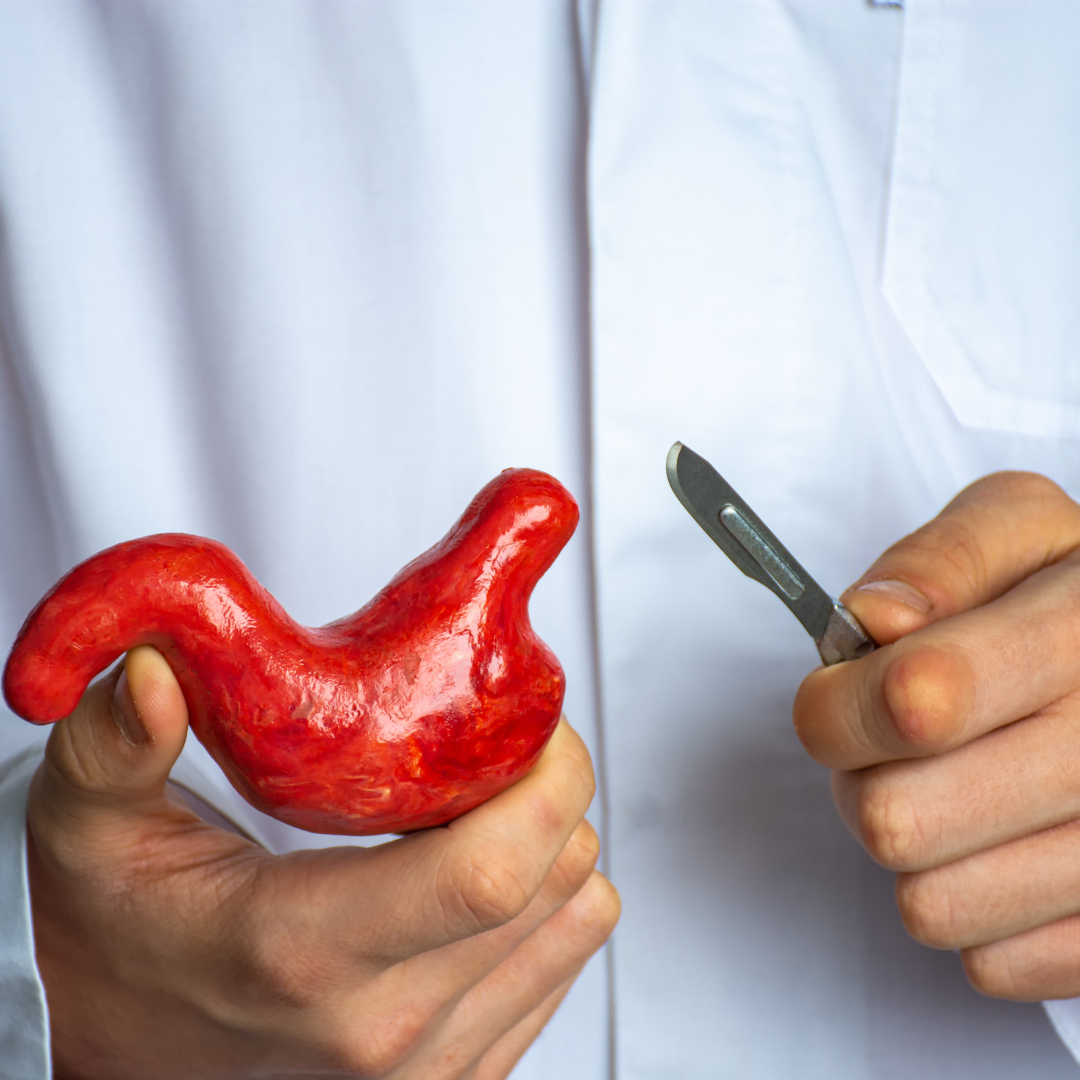

Reduction of the stomach, also known as a bariatric surgery, is a surgical procedure aimed at reducing the volume of the stomach, which leads to a reduction in the amount of food consumed and, as a result, weight loss. This treatment is mainly used in patients with obesity who have not achieved permanent weight reduction through traditional methods, such as diet and physical activity. In this article, we will discuss in detail what the stomach reduction is, to whom it is recommended, what are the contraindications, available methods, possible side effects and the expected effects.
What is the stomach reduction?
The stomach reduction is a surgical procedure that aims to reduce the size of the stomach, which limits the amount of food consumed and leads to a faster feeling of satiety. There are several methods of reducing the stomach that differ in surgical technique and the scope of surgical interference. The most commonly used methods are: Sleeve stomach resection (Sleeve Gastrectory): Consists of removing about 80% of the stomach, leaving only a narrow, tubular fragment with a capacity of about 100-150 ml. As a result of this procedure, the patient feels satiety after eating much smaller portions of food. In addition, removal of a part of the stomach is associated with a reduction in the production of Grelin, hunger hormone. Gastric Bypass (Roux-EN-Y Gastric bypass): This procedure involves creating a small tank from the upper part of the stomach, which is then directly connected to the thin intestine. Thanks to this, the food bypasses most of the stomach and part of the small intestine, which leads to a limitation of calorie absorption and nutrients. Adjustable gastric band (Adjustable Gastric Banding): In this method, around the upper part of the stomach, an adjustable band is put on, which divides the stomach into two parts - a small upper tank and a larger lower one. The patient feels satiety after eating a small amount of food, because the food slowly passes from the upper to the lower tank. Each of these methods has its own advantages and pros, and the choice of the right technique depends on the individual needs of the patient and the doctor's recommendations.Who is the stomach reduction recommended?
Reduction of stomach is recommended primarily for people with enormous obesity (BMI ≥ 40 kg/m²) or significant obesity (BMI ≥ 35 kg/m²) in the event that its serious diseases associated with obesity, such as type 2 diabetes, hypertension, obstructive sleep apnea, or cardiovascular diseases. The procedure is considered when the patient has not achieved significant and permanent weight loss despite attempts to change lifestyle, including diet and regular physical activity. Patients who can benefit from bariatric surgery are people who:- They have diagnosed obesity threatening life or health.
- They tried to lose weight with traditional methods, but without lasting results.
- They are ready to follow long -term changes in diet and lifestyle.
- They are aware of the risk and benefits of surgery and are able to make an informed decision regarding the procedure.
- Before qualifying for surgery, the patient undergoes a comprehensive assessment that includes consultation with a bariatric doctor, dietitian, psychologist and other specialists to make sure he is the right candidate for surgery.
Stomach reduction - contraindications
Although stomach reduction can be an effective method of treating obesity, it is not suitable for everyone. There are some contraindications that can exclude the patient from qualifications for surgery. The most important contraindications include:- Mental disorders - Patients suffering from serious mental disorders, such as severe depression, anxiety disorders or schizophrenia, may not be able to effectively manage lifestyle changes after surgery. In such cases, it is necessary to assess the mental state by a psychologist or psychiatrist.
- Addictions - dependence on alcohol, drugs or other substances may affect the patient's ability to follow post-operative instructions and maintain a healthy lifestyle. Addicts must first seek addiction treatment before considering bariatric surgery.
- Digestive system diseases - some diseases, such as Crohn's disease, may be a contraindication to the procedure because they may increase the risk of complications after surgery.
- Cardiac problems - patients with severe cardiovascular disease may not be suitable candidates for surgery due to the increased risk of heart attack or other complications during and after surgery.
- Non-compliance with medical recommendations - Patients who have had difficulty following medical recommendations in the past may not be appropriate candidates for the procedure because successful results from bariatric surgery require strict adherence to dietary and lifestyle recommendations.
How to shrink your stomach? - methods
There are several stomach reduction methods that are used to treat obesity, and each of them has its own unique characteristics and may be more or less suitable depending on the individual needs of the patient. Sleeve gastrectomy is one of the most frequently performed bariatric surgeries, involving the removal of approximately 80% of the stomach, which leads to the formation of a narrow, tubular duct; patients feel full after eating small portions of food, and removing part of the stomach also reduces the secretion of ghrelin, the hormone responsible for the feeling of hunger. Another method is gastric bypass, which involves creating a small reservoir in the upper part of the stomach that is then connected directly to the small intestine, which causes food to bypass most of the stomach and the initial part of the small intestine, reducing the amount of calories and nutrients absorbed; this method is especially effective in patients with type 2 diabetes. Adjustable gastric band is a technique in which a band is placed around the upper part of the stomach, dividing the stomach into two parts, which causes food from the upper reservoir to pass slowly into the lower one, leading to a faster feeling of satiety; the band is adjustable, which allows you to adjust the size of the hole depending on the patient's needs. Gastric balloon is a less invasive method that involves introducing a balloon filled with liquid into the stomach, which reduces its volume and leads to a faster feeling of satiety; the balloon is removed after approximately 6 months and is used in patients who need a short-term solution or as preparation for more invasive surgery. Each of these methods has its advantages and disadvantages, and the choice of the appropriate technique depends on many factors, including the patient's health condition, preferences and treatment goals.Effects of reducing the stomach
Reduction of the stomach, although effective in the treatment of obesity, is associated with some side effects and the risk of complications. The most common include deficiencies of vitamins and minerals, resulting from the limited ability to eat food and reduced absorption of nutrients, especially with gastric bypass, which requires regular monitoring of the level of these ingredients and supplementation. Another possible effect is gastrointestinal reflux, which after sleeve stomach resection can intensify symptoms such as heartburn and acid flavor in the mouth. Dumping syndrome, characterized by symptoms such as nausea, vomiting, diarrhea, dizziness and weakness after eating foods with high sugar or fat content, is a common complication of stomach. There is also a risk of blood clots that can lead to serious complications, such as pulmonary embolism, so it is important that the patient after surgery quickly begins to move and take anticoagulants if recommended. As with any operation, there is also a risk of surgical wound infection and other postoperative complications that may require further treatment.Effects after decreasing the stomach
Reduction of the stomach leads to significant weight loss, especially in the first year after surgery. Patients can expect a loss of 50% to 70% of excessive body weight within 12-18 months after surgery. In addition to weight reduction, bariatric surgery often leads to improvement or complete recovery of comorbidities, such as type 2 diabetes, hypertension, sleep apnea and cardiovascular disease. Long -term effects of stomach reduction, however, depend on the patient's ability to maintain a healthy lifestyle, including compliance with dietary recommendations, regular physical activity and monitoring health. Patients who comply with postoperative recommendations can enjoy a significant improvement in quality of life, increased mobility and a decreased risk of obesity complications.Summary
Reduction of stomach is an effective method of treating obesity that can bring significant health benefits and improve the quality of life of patients. However, the decision on surgery should be well thought out and taken after consulting a team of specialists who will assess whether the patient is the appropriate candidate for surgery. It is also important that patients are aware of potential risks and side effects, and also committed to comply with postoperative recommendations to achieve long -term and positive results.Footnotes
Buchwald, H., & Oien, D. M. (2013). Metabolic/Bariatric Surgery Worldwide 2011. Obesity surgery Sjöström, L., Narbro, K., Sjöström, C. D., Karason, K., Larsson, B., Wedel, H., ... & Lönroth, H. (2007). Effects of Bariatric Surgery on Mortality in Swedish Osze Subjects. New England Journal of Medicine, Gloy, V. L., Briel, M., Bhatt, D. L., Kashhap, S. R., Schauer, P. R., Mingrone, G., ... & Nordmann, A. J. (2013). Bariatric surgery versus non-surgical treatment for obesity: A Systematic Review and Meta-Analysis of Randomized Controlled Trials. Bmj Angrisani, L., Santonicola, A., Iovino, P., Formisano, G., Buchwald, H., & Scopinaro, N. (2015). Bariatric Surgery Worldwide 2013.
Dietician
Karolina Dobrowolska-Zrałka
doktor nauk medycznych i nauki o zdrowiu, dietetyk kliniczny Absolwentka studiów I i II stopnia na kierunku dietetyka oraz doktorantka w Szkole Doktorskiej Uniwersytetu Medycznego we Wrocławiu
Więcej artykułów autoraLooking for a nutritious and filling meal?
Discover Supersonic Smart Meal! A nutritious meal you can prepare in seconds!

150 reviews


