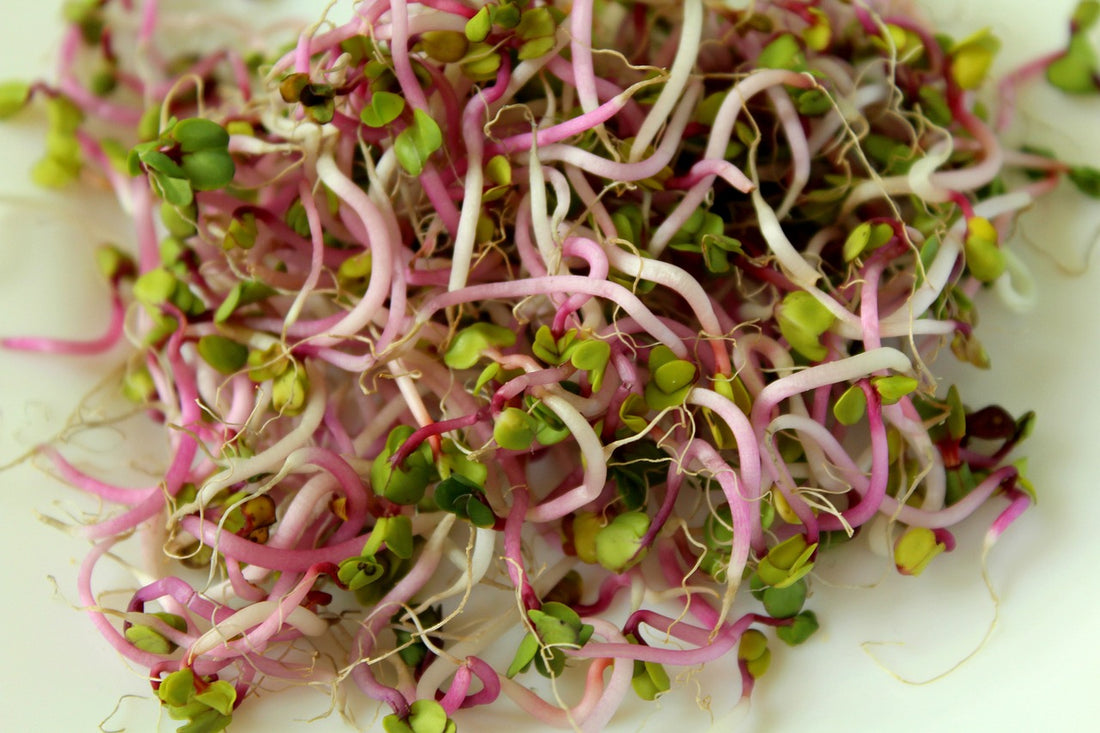

Sprouts are one of the most valuable food products that are becoming more and more popular among health-conscious people. Known for their nutrient richness, they are often considered "superfoods". In the article below, I will discuss what exactly sprouts are, what health properties they have, what risks they may carry, and how to introduce them into your daily diet.
Sprouts – are they healthy? Benefits for health and body
Sprouts are young plants that develop from seeds through the germination process. This stage of the plant's life is particularly interesting from the point of view of dietetics and medicine, because sprouts contain a concentrated amount of nutrients. Scientific research confirms that eating sprouts can have numerous benefits and a positive impact on the body's health. Here are some of the most important advantages:- Rich in vitamins and minerals – Sprouts are a natural source of vitamins, in particular vitamin C, A, K and some B vitamins (e.g. folic acid). Additionally, they contain minerals such as iron, magnesium and potassium, which are important for the proper functioning of the body.
- Source of antioxidants – They contain antioxidant compounds such as polyphenols, which help neutralize free radicals. This, in turn, reduces the risk of developing cancer and supports the protection of cells against oxidative stress.
- Supporting the immune system – Thanks to the phytonutrient content, regular consumption of sprouts can support the body's natural immunity. For example, broccoli sprouts contain sulforaphane, a compound with strong anti-cancer properties and supports the immune system.
- Improved digestion – Sprouts are a source of fiber, which improves the functioning of the digestive system, preventing constipation and supporting a healthy intestinal microbiota.
Types of sprouts - discover the diversity and properties of individual species
Sprouts are a very diverse group of plants, and each type has slightly different health properties. Here are some popular types of sprouts:- Alfalfa sprouts (alfalfa) – They are rich in vitamin K, which supports bone health and blood clotting. They also contain large amounts of vitamin C, which makes them a great immune support.
- Broccoli sprouts – Considered one of the healthiest sprouts due to the high content of sulforaphane, a compound with proven anti-cancer properties.
- Cress sprouts – Very rich in vitamins A, C and sulfur compounds, which have a beneficial effect on the health of the skin and hair.
- Lentil sprouts – An excellent source of plant protein and folic acid, which is especially important for pregnant women.
- Mung bean sprouts – They are rich in B vitamins and protein, as well as minerals such as iron and magnesium. Regularly eating mung bean sprouts can support the health of the nervous system.
Nutritional values of sprouts - ingredients that make them a valuable component of the diet
The sprouts are valued primarily because of their rich nutritional composition, which supports health at many levels. They contain vitamins such as C, A, E and K, as well as B vitamins, which play an important role in the proper functioning of the body. Vitamin C strengthens immunity, vitamin A improves eye health, and vitamin K is necessary for healthy bones. In addition, the sprouts provide the necessary minerals, such as calcium, magnesium, iron and zinc. Calcium supports bone health, magnesium improves the functioning of the nervous system, and iron prevents anemia. In addition, some sprouts, such as lentils, are an excellent source of vegetable protein, which makes them a valuable component of a vegetarian and vegan diet. The sprouts are also rich in antioxidants that protect cells from oxidative stress, reducing the risk of developing cancer and other chronic diseases. Finally, the sprouts provide fiber, which supports digestion, improves the functioning of the intestines and helps in regulating cholesterol.Can eating sprouts be harmful?
Although the sprouts are rich in nutritional values, there are some risks associated with their consumption, especially in the microbiological context. The germination process, which takes place in a humid and warm environment, promotes the development of bacteria such as Escherichia Cola and Salmonella. Therefore, to minimize the risk of infection, it is recommended:- Buying sprouts from proven suppliers - it is worth choosing products that have undergone appropriate microbiological tests.
- Thorough washing of seeds and sprouts before consumption.
- Avoiding consuming raw sprouts by people with weakened immunity, such as pregnant women, elderly people and children.
How to introduce sprouts into a diet? Practical advice and recipes
Sprins are an extremely versatile product that can be easily integrated into a daily diet, enriching meals with additional nutritional values. They are perfect as a crunchy addition to salads, which not only enriches the taste, but also provides valuable nutrients. They can also be used as a healthy alternative to traditional lettuce on sandwiches, which gives dishes freshness and nutrition. In addition, the sprouts blend in well in Smoothie, adding vitamins and minerals to your favorite drink. Their versatility makes them an ideal complement to many dishes. It is also worth considering your own sprouts of sprouts at home, which is both economical and a simple solution - all you need is a jar, seeds and a bit of water to enjoy fresh sprouts every day.Summary
Sprins are an extremely healthy addition to a diet, which provides many valuable nutrients, vitamins, minerals and antioxidants. Despite some risks, mainly associated with the hygiene of their breeding, regular consumption of sprouts can bring many health benefits, from strengthening immunity to protection against cancer. It is worth including them in your diet, enjoying their diversity and health properties.Sources:
Zhang Y., et al. (2006) Sulforaphane, A Dietary Isothiocyanate, Inhibits Extracellular, Intracellular, and Antibiotic-resistant Bacteria by Inducing the Keap1/NRF2 Pathway. Journal of Infectious Diseases. Rakowicz-Szczęsna M., et al. (2017) The antioxidant properties of selected legumes. Progress of phytotherapy. Dupont M. S., et al. (2008) Antioxidant Properties of Broccoli Sprouts: Protection Against DNA Damage and Enhancing Detoxification enzymes. Journal of Nutrition.
Dietician
Karolina Dobrowolska-Zrałka
doktor nauk medycznych i nauki o zdrowiu, dietetyk kliniczny Absolwentka studiów I i II stopnia na kierunku dietetyka oraz doktorantka w Szkole Doktorskiej Uniwersytetu Medycznego we Wrocławiu
Więcej artykułów autoraLooking for a nutritious and filling meal?
Discover Supersonic Smart Meal! A nutritious meal you can prepare in seconds!

150 reviews


