
Dietician
Karolina Dobrowolska-Zrałka
Sage, also known as Salvia officinalis, it is a herb that has been finding its place in natural medicine and culinary for centuries. Its unique health properties make it valued in both traditional medicinal practices and modern therapy. Sage not only enriches the taste of dishes, but also offers a wide range of health benefits, from relieving inflammation to supporting mental health. In this article, we will look at its action, properties and applications that can contribute to the improvement of general well -being.
Medical sage - how does it work and how to recognize it?
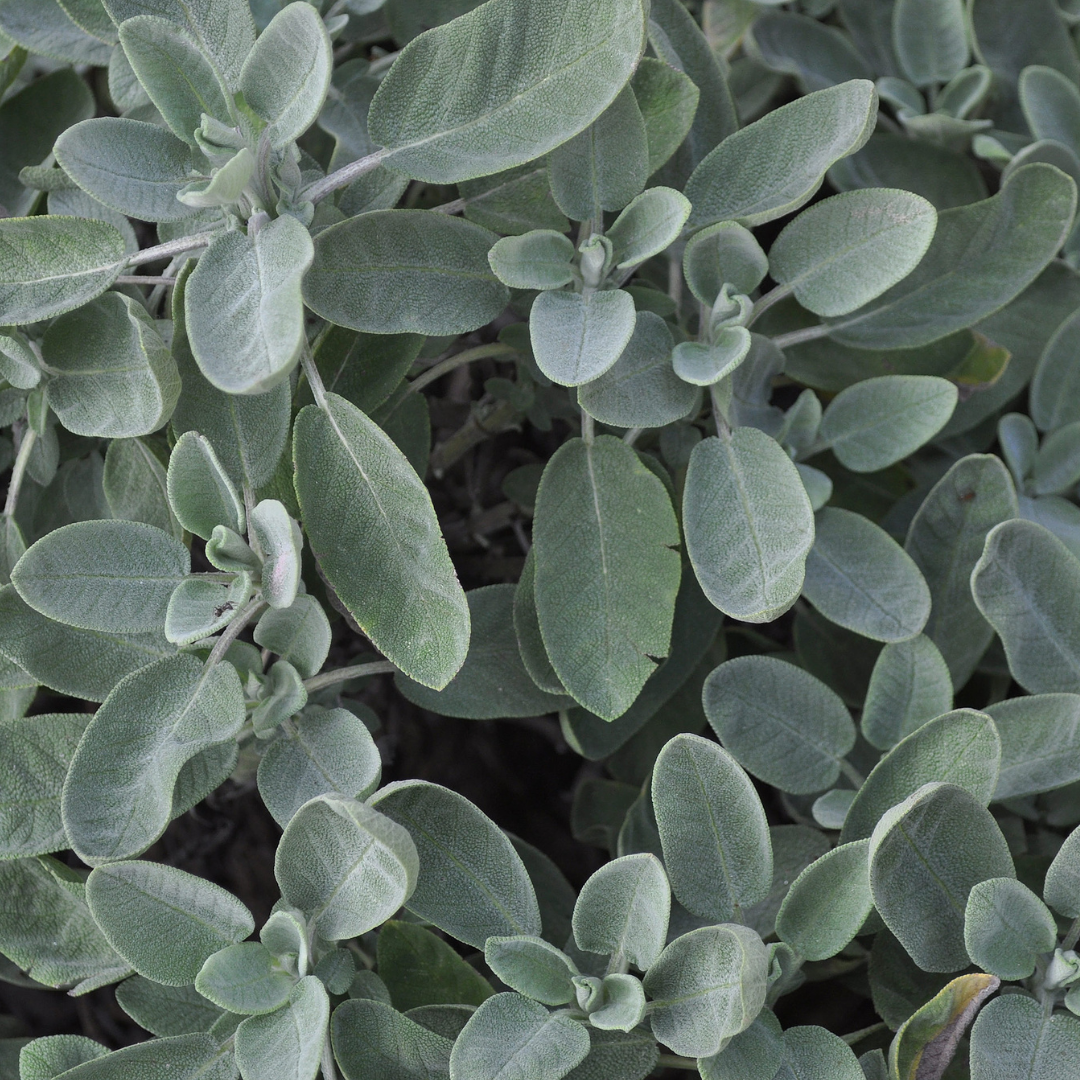
Sage (Salvia officinalis) is a plant with a long history of use in traditional medicine, known for its numerous health properties. Belongs to the family Lamiaceae And it is widely valued for its anti -inflammatory, antibacterial and antioxidant effects. This plant is perennial, with characteristic, gray-green leaves and purple or blue flowers that bloom from late spring to summer. Her leaves are intensively aromatic, which is one of the significant indicators of her identity. Medical sage occurs mainly in Mediterranean regions, but it is also grown in many other parts of the world. In traditional medicine, it is used in the form of dried leaves, infusions, essential oils and in pharmaceutical preparations. It is worth noting that sage is often confused with other types of sage, such as Spanish sage (Salvia Hispanica) or Salvia Miltiorrhiza, which have different properties and applications.Sage properties - benefits for the body and nutrients contained in the plant
Sage contains a number of valuable nutrients that contribute to its health properties. The most important of them are:Essential oil
Contains active substances such as Tujon, Kamphora, Borneol and 1.8-Cineol, which have anti-inflammatory, antibacterial and antifungal effects. Sage essential oil is often used in aromatherapy and in the treatment of skin and respiratory problems.Flavonoids
These are plant compounds with antioxidant effects that help in neutralizing free radicals, thus reducing the risk of cellular damage and inflammation.Phenolic acids
Sage contains rosemary acid and coffee acid, which are known for anti -inflammatory and antioxidant properties.Vitamins and minerals
Sage leaves are a source of B vitamins, vitamin K and minerals such as magnesium, potassium and iron. B group vitamins are important for the health of the nervous system and metabolism, while vitamin K plays an important role in blood coagulation processes.Sage - what can he help?
Sage has a wide therapeutic use, which includes different health areas:- Digestive problems - Sage infusions are often used to treat digestive disorders such as bloating, abdominal pain and indigestion. Thanks to anti -inflammatory and antispasmodic properties, sage can alleviate the symptoms of gastritis and intestinal inflammation.
- Skin problems - Essential oil from sage is used to treat various skin problems, including acne, eczema and psoriasis. Its antibacterial and anti -inflammatory effect helps to reduce inflammation and accelerates wound healing.
- Respiratory problems - Sage has antiseptic properties and can be used in inhalations or throat rinses to alleviate the symptoms of pharyngitis, cough and cold. It soothes the mucous membranes and helps in the fight against upper respiratory tract infections.
- Support for mental health - Studies suggest that sage can have a positive effect on mental health, helping to reduce stress and anxiety symptoms. It can also support cognitive functions and improve memory.
Sage for excessive sweating
Sage is known for its properties that can help in controlling excessive sweating, also known as hyperhydrosis. The substances such as tannins and essential oils contained in it have an astringent effect, which can help reduce sweat production by sweat glands. Sage extracts used in the form of infusions, balms or compresses can contribute to reducing sweating and soothing the symptoms associated with it. In addition, sage has antibacterial properties that can reduce the risk of skin irritation and an unpleasant smell associated with excessive sweating. It is worth remembering, however, that in the case of persistent hyperhydros, it is worth consulting a dermatologist to discuss appropriate treatment and sage as an additional support agent.Sage for the throat - how can sage support the health of the throat and respiratory system?
Sage is particularly valued for its effect on the respiratory system, including the throat. Its anti -inflammatory and antibacterial properties make it an effective agent supporting the treatment of throat and respiratory tract infections. Rinses of sage infusion can bring relief in the event of sore throat, hoarseness and irritation. Thanks to the anti -astringent sage, it helps to reduce swelling and prevents further spread of infection. Inhalations with the addition of sage essential oil can also benefit in the event of chronic respiratory tract infections. The inhalation pair with sage soothes the mucous membranes, facilitating closing and reducing the symptoms of coughing.Sage for drinking - preparation and health benefits of sage infusion
Preparing a sage infusion is a simple way to use its health properties. To prepare the brew, pour one teaspoon of dried sage leaves with boiling water and brew for about 10 minutes. The infusion can be drunk 2-3 times a day, which can bring benefits in the field of digestive health, alleviating the symptoms of infection and improving general well-being. Sage tea can also act as a natural remedy supporting and reduction of stress. Its calming properties can help achieve greater mental comfort and improve sleep quality.Sage - indications for use
Sage is recommended in various health conditions, including: Digestive problems: Flatulence, indigestion, abdominal pain. Skin problems: Acne, eczema, psoriasis. Respiratory tract infections: Sore throat, cough, cold. Stress and anxiety: As a remedy for relaxation and reduction of stress.Sage - contraindications for use
Despite numerous health benefits, sage also has some contraindications that are worth considering. Pregnant and breastfeeding women should avoid using sage, because a thych contained in large quantities can be harmful; In such cases, consultation with a doctor is recommended. People with liver diseases should also reduce sage intake to avoid potential negative effects on the functioning of this organ. In addition, sage may interact with some drugs, including anti -diabetic and anticoagulant drugs, which is why people taking such drugs should consult its use with a doctor. The sage dosage depends on the form of its use and therapeutic purpose. In the case of infusions, it is recommended to prepare tea from sage by flooding one teaspoon of dried leaves with a glass of boiling water and brew for 5-10 minutes. Such an infusion can be drunk 1-3 times a day, depending on your health needs. As for the use of sage in the form of dietary supplements, the dosage should be adapted to the manufacturer's recommendations and doctor's instructions. When using external use, for example in the form of compresses or lotions, the instructions on the product packaging should be followed. It is important not to exceed the recommended doses, especially in the case of concentrated preparations to avoid potential side effects. In case of any doubts as to the dosage or interaction with other drugs, it is always worth consulting a doctor or pharmacist.Sources
M. H. "Essential Oils and Their Biological Activities." Journal of Essential Oil Research, vol. 34, no. 2, 2023, pp. 112-128. K. J. et al. "Flavonoids and their roles in human health." Nutrients, Vol. 12, no. 6, 2021, Article 1860. A. L. "Phenolic Acids and their Benefits for Health." Food Chemistry, Vol. 329, 2020, Article 127152. P. B. "Vitamin K and ITS Role in Health." Clinical Nutrition, vol. 39, no. 3, 2020, pp. 573-580. R. D. "Digestive Benefits of Herbal Teas." Herbal Medicine Journal, vol. 19, no. 4, 2022, pp. 245-258. L. E. "Skin Conditions and Herbal Remedies." Journal of Dermatology and Therapy, Vol. 25, no. 1, 2022, pp. 45-56. T. M. "The role of sage in respiratory health." Medicine Review respirators, vol. 18, no. 3, 2021, pp. 78-86. F. H. "Cognitive and Emotional Effects of Sage." Journal of Clinical Psychology, vol. 80, no. 6, 2022, pp. 1234-1245.Looking for a nutritious and filling meal?
Discover Supersonic Smart Meal! A nutritious meal you can prepare in seconds!

150 reviews


