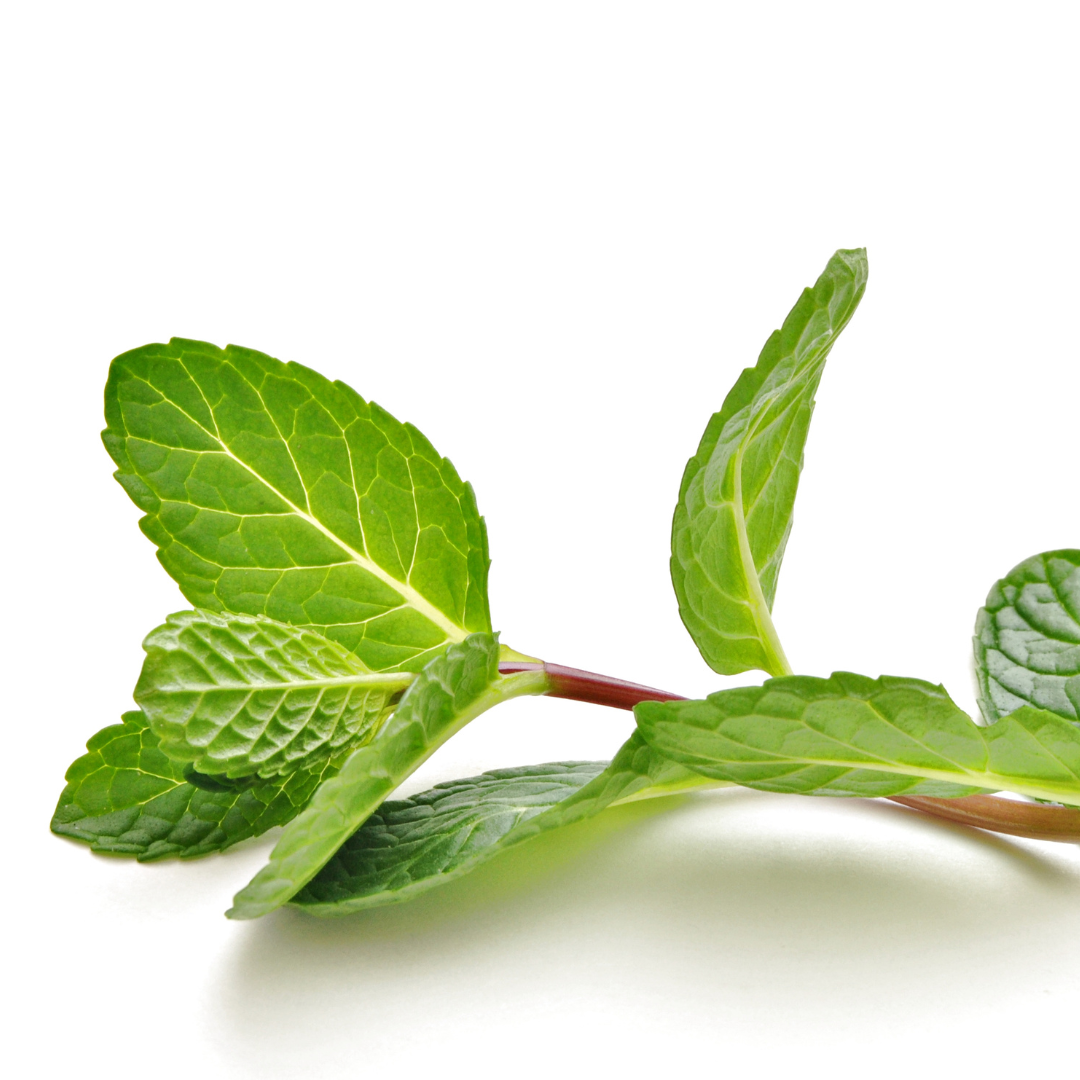

Pepper mint (Mentha Piperita) is a plant with a long history of use in folk medicine and kitchen. Known for its refreshing taste and aroma, peppermint is valued for its numerous health -promoting properties, including digesting and relieving abdominal pain. Today, peppermint is widely used in both fresh and dried form, as well as in the form of essential oil and tea.
Peppermint - healing properties
Pepper mint has many health properties that make it a popular herb in natural medicine. It is rich in menthol, which gives it a characteristic taste and aroma and has a cooling and soothing effect. Mentol has a relaxant effect on the smooth muscles of the gastrointestinal tract, which helps in alleviating abdominal pain and symptoms associated with irritable bowel syndrome (IBS). Peppermint also has antibacterial and antifungal effects, which supports the health of the mouth and digestive system. In addition, peppermint can help reduce nausea and vomiting, which is especially useful for people suffering from motion disease or after chemotherapy.Peppermint in the form of oil - how to use it and what properties it has
Pepper mint oil is one of the most commonly used essential oils, valued for its comprehensive use. It is obtained by steam distillation of peppermint leaves and contains a high concentration of menthol. This oil can be used both externally and internally, although caution should always be exercised and dosage recommendations. Externally, peppermint oil is often used for massage to alleviate muscle and joint pain. It can also be used for inhalation to alleviate the symptoms of colds and clogged sinuses. Internally, peppermint oil can be used in the form of capsules to support digestion and reduce IBS symptoms.Peppermint as tea - how to brew and enjoy its taste and health benefits
Pepper mint tea is one of the simplest and most pleasant forms of using the benefits of this herb. To prepare peppermint tea, pour 1-2 teaspoons of dried peppermint leaves with boiling water and leave to stretch for about 5-10 minutes. Pepper mint tea soothes the digestive tract, supports digestion and soothes abdominal pain. It can also be helpful in reducing tension and stress thanks to its relaxing properties. Regular consumption of peppermint tea can support the health of the mouth, refreshing the breath and help in maintaining oral hygiene.Pepper mint in pregnancy - safe use and potential benefits for pregnant women
The use of peppermint during pregnancy raises a lot of controversy, so it is important that pregnant women consult a doctor before consumption. In moderate amounts, peppermint can be helpful in alleviating symptoms such as nausea and vomiting, which often accompany pregnancy. Pepper mint tea can be a safe way to alleviate these ailments, but you should avoid excessive consumption of peppermint oil, as it can cause uterine cramps. It is also worth remembering that the reactions to the herbs are individual, which is why each woman should monitor their well -being and reactions to peppermint.The use of peppermint - practical advice and various use of this herb
Peppermint is an extremely versatile herb, which is used in many areas of life. Here are some practical ways to use peppermint:Kitchen
Pepper mint can be added to salads, drinks, desserts and main dishes, giving them a fresh, refreshing taste.Cosmetology
Pepper mint oil is a popular ingredient in cosmetics such as shampoos, balms and creams, thanks to its refreshing and antibacterial properties.Natural medicine
Peppermint is used in aromatherapy, massage and inhalations to alleviate headaches, muscle tension and cold symptoms.Oral hygiene
Rinses and toothpastes with the addition of peppermint help maintain fresh breath and healthy mouth.Summary
Peppermint is a versatile herb with many health benefits. Thanks to its relaxant, antibacterial and refreshing properties, peppermint is valued both in the kitchen and natural medicine. Pepper mint oil and peppermint tea are popular forms of its use that can support the health of the digestive system, reduce stress and improve oral hygiene. Pregnant women should be careful and consult a doctor before drinking peppermint. Thanks to various applications, peppermint is a valuable addition to the daily diet and care routine.Sources
Ernst, E., & Pittler, M. H. (2000). "Effacy of Peppermint oil in irritable bowel syndrome: a systematic review." Journal of Clinical Gastroenterology. McKay, D. L., & Blmberg, J. B. (2006). "A review of the Bioactivity and Potential Health Benefits of Peppermint Tea (Mentha Piperita L.)." Phytotherapy Research. Kligler, B., & Chaudhary, S. (2007). "Peppermint Oil." American Family Physician.
Dietician
Karolina Dobrowolska-Zrałka
doktor nauk medycznych i nauki o zdrowiu, dietetyk kliniczny Absolwentka studiów I i II stopnia na kierunku dietetyka oraz doktorantka w Szkole Doktorskiej Uniwersytetu Medycznego we Wrocławiu
Więcej artykułów autoraLooking for a nutritious and filling meal?
Discover Supersonic Smart Meal! A nutritious meal you can prepare in seconds!

150 reviews


