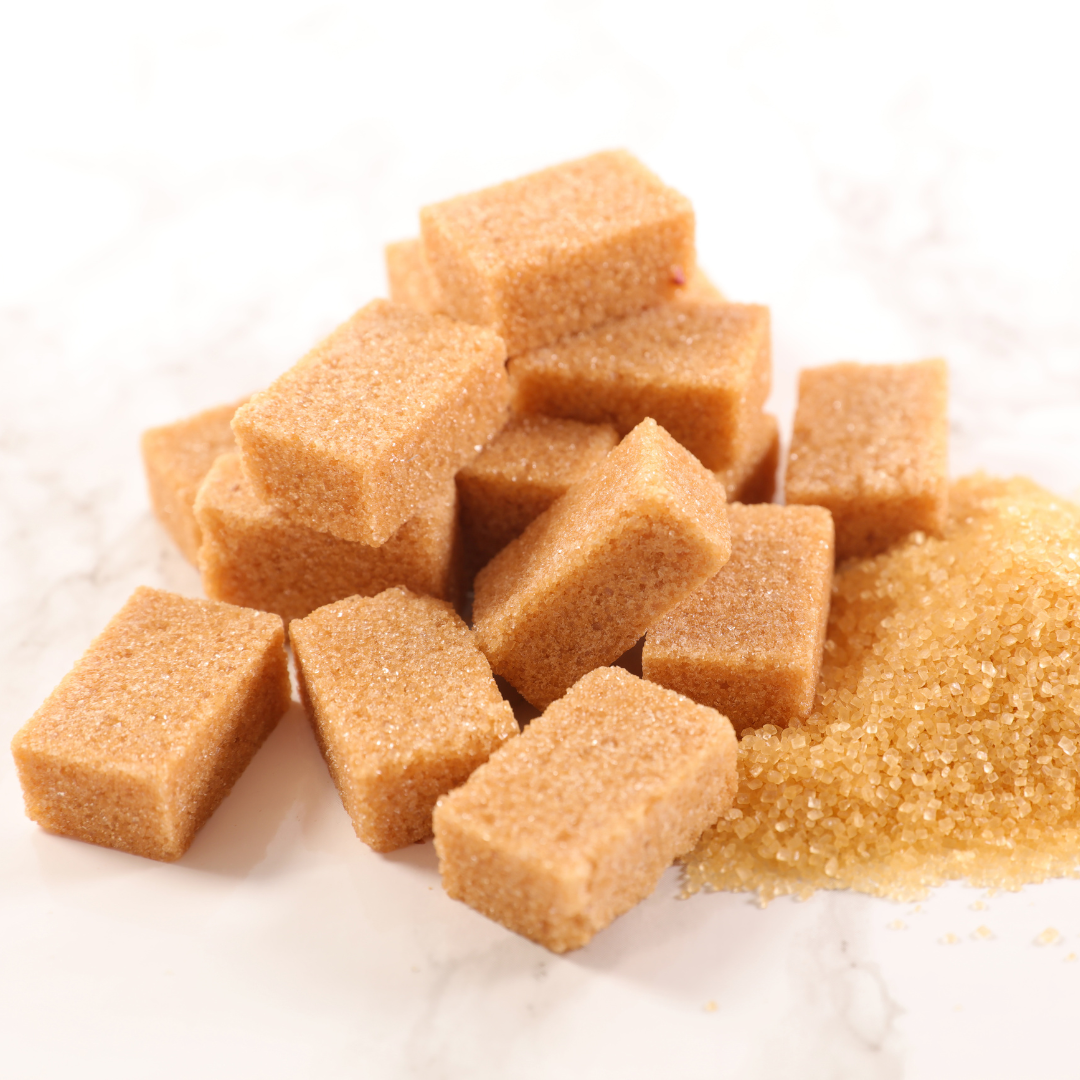

In recent years, xylitol, also known as birch sugar, has gained popularity as an alternative to traditional sugar. His supporters emphasize health benefits, such as a low glycemic index, less caloric content and a positive effect on oral health. However, as with any sweetener, it is worth considering its actual properties and the impact of health. In this article, we'll take a look exactly what it is xylitol, what properties it has, what health benefits its use brings and whether it really is a good alternative to traditional sugar.
Xylitol (birch sugar) - what is it and what is the properties?
Xylitol, also known as birch sugar, is sugar alcohol (polyol) used as a sweetener. His name "birch sugar" comes from the fact that it was originally obtained from birch bark, although currently xylitol is made mainly from corn. Xylitol has similar sweetness to sucrose, but provides about 40% less calories. One A teaspoon of xylitol contains about 10 calorieswhile the same amount of sugar provides About 16 calories. Chemically, xylitol is a five -gap polyhydroxyl alcohol, which distinguishes it from typical sugars such as glucose or fructose. Thanks to this structure, xylitol is not fermented by bacteria in the mouth, which reduces the risk of caries. It has a low glycemic index (IG is about 7), which makes it an attractive alternative to people with diabetes.Birch sugar for diabetic - is it a safe alternative to traditional sugar?
Xylitol is often recommended as a safe alternative to people with diabetes because of His low glycemic index. This means that after eating xylitol, blood sugar levels increases more slowly and to a lesser extent than after consuming sucrose. Unlike sugar, xylitol does not require large amounts of insulin for metabolizing, which can be beneficial for people with insulin resistance or type 2 diabetes. However, like any sweetener, xylitol should be consumed in moderation. Although xylitol is less caloric and has a lower effect on blood glucose, excessive consumption can lead to gastrointestinal problems such as diarrhea, flatulence and abdominal pain, because xylitol ferment in the intestines. For people with diabetes, xylitol can be part of a healthy diet, but you should always consult a doctor or dietitian before introducing him to your daily menu.Birch sugar - the properties and health benefits of this natural sweetener
Xylitol is often promoted as a healthier alternative to sugar for several reasons. First of all, its low glycemic index makes it friendly for people controlling blood sugar. Unlike traditional sugar, xylitol does not contribute to the formation of caries, on the contrary - it has an anti -tinner effect. Bacteria in the mouth cannot metabolize xylitol, which prevents the production of tooth enamel damage acids. In addition, some studies suggest that xylitol may have a prebiotic effect, supporting the increase in favorable bacteria in the intestines. In addition, thanks to lower calories, xylitol can be helpful in controlling body weight, especially in reduction diets. Despite numerous benefits, xylitol is not free from defects. As mentioned earlier, the consumption of large amounts of xylitol can lead to gastrointestinal discomfort. Therefore, it is recommended that people who are not used to xylitol should introduce him to the diet gradually.Birch sugar and glycemic index
One of the biggest advantages of xylitol is its low glycemic index, which is about 7, while for comparison, sucrose has an IG equal to 60-65. Low IG means that xylitol causes a slower and less increase in blood sugar levels after consumption. This makes xylitol an attractive choice for people with diabetes and those who want to maintain a stable blood sugar level. The low glycemic index of xylitol is due to the fact that it is more slowly metabolized by the body. After consumption, xylitol is partly absorbed in the intestines, and then transported to the liver, where it is transformed into glucose, but this process is much slower than in the case of sucrose. Thanks to this, blood glucose increases gradually, which is beneficial for both people with diabetes and those who want to avoid sugar levels of sugar levels.Birch sugar - how many calories does it have and how does it fit into a balanced diet?
Xylitol provides about 2.4 kcal per gram, which means that it is about 40% less caloric than white sugar, which provides about 4 kcal per gram. This means that xylitol can be a useful ingredient in reduction diets, where caloric control is important. Thanks to lower caloric content, xylitol allows you to sweeten the dishes with less calories supplied. However, even taking into account the lower caloric content, xylitol should not be consumed in excess. As part of a balanced diet, xylitol can replace traditional sugar in various regulations, but it should be remembered that the excess of sweeteners, even those with low caloric content, can lead to excessive energy consumption, which may make it difficult to maintain a normal body weight.Summary
Xylitol, also known as birch sugar, is an interesting alternative to traditional sugar, especially for people with diabetes or those who try to control blood sugar levels. Its low glycemic index, less caloric content and a beneficial effect on the health of the oral cavity make him an attractive choice. However, like any sweetener, xylitol should be consumed in moderation, and people with a sensitive digestive system should introduce it to the diet gradually. In a balanced diet, xylitol can be a healthier alternative to sugar, helping to maintain stable glucose and weight control.Sources
Mäkinen, K. K. (2010). Sugar Alcohols, Caries Incidence, and reminaralization of caries lesions: a literature review. International Journal of Dentistry, 2010. Livesey, G. (2003). Health Potential of Polyols as Sugar Replacers, with Emphasis on Low Glycaemic Properties. Nutrition Research Reviews, 16 (2), 163-191. Salla, K., Lehtinen, M. J., Tiihonen, K., & Ouwehand, A. C. (2019). Xylitol’s Health Benefits Beyond Dental Health: a comprehensive review. British Journal of Nutrition, 121 (9), 1000-1014. American Diabetes Association. (2020). Diabetes and Carbohydrates. https://www.diabetes.org/food-and-fitness/food/what-can-i-eat/making-healthy-food-choices/carbohydrates
Dietician
Karolina Dobrowolska-Zrałka
doktor nauk medycznych i nauki o zdrowiu, dietetyk kliniczny Absolwentka studiów I i II stopnia na kierunku dietetyka oraz doktorantka w Szkole Doktorskiej Uniwersytetu Medycznego we Wrocławiu
Więcej artykułów autoraLooking for a nutritious and filling meal?
Discover Supersonic Smart Meal! A nutritious meal you can prepare in seconds!

150 reviews


