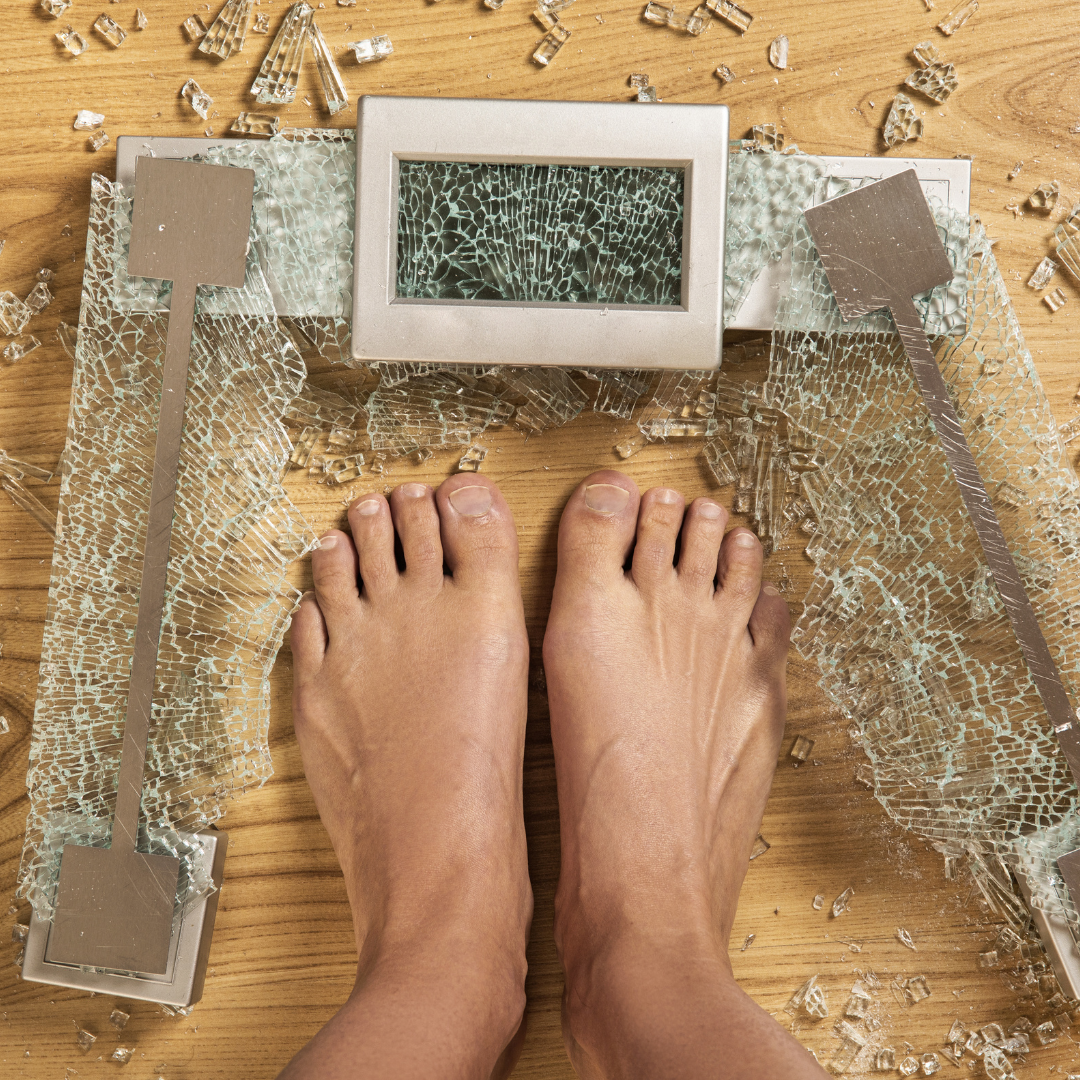

Obesity is a serious disease that requires a comprehensive therapeutic approach. In many cases, lifestyle changes, such as diet and regular physical activity, are not enough to achieve and maintain healthy body weight. In such situations, pharmacotherapy may prove to be an important element of treatment, supporting the process of reducing weight and improving metabolic health. Drugs for obesity, although not replacing a healthy lifestyle, can significantly increase the chances of success in the fight against excessive body weight, helping patients achieve long -term results.
119498">
Drugs for obesity - how do they work?
Drugs for obesity are an important element of obesity treatment strategy, especially in cases where lifestyle changes, such as diet and physical activity, turn out to be insufficient. The mechanism of effect of drug drugs can be varied depending on the type of active substance, but the main goal is to support weight loss through various metabolic and behavioral processes. One of the most commonly used mechanisms is inhibition of fat absorption in the intestines. Drugs such as Orlistat act as lipase inhibitors, the enzyme responsible for fat breakdown. Thanks to this, fats are not absorbed by the body and are excreted with feces. These types of drugs effectively reduce the caloric content of food consumed, which promotes weight loss. Another approach is to influence the central nervous system to reduce appetite. Drugs such as liraglutide, which are agonists of GLP-1 receptors (glucagonop-like peptide-1), act on a hunger center in the brain, increasing the feeling of satiety and reducing appetite. Thanks to this, patients are less likely to consume food, which leads to weight loss. Another group are drugs that affect glucose and insulin metabolism. An example is metformin, a drug used mainly to treat type 2 diabetes, which can support weight loss by improving insulin sensitivity and blood glucose reduction. Although this is not a drug typically intended for the treatment of obesity, it is sometimes used in overweight and insulin resistance people. It is also worth mentioning modern drugs, such as semaglutide, which has gained popularity in the treatment of obesity. Semaglutide, like liraglutide, is an agonist of GLP-1 receptors, but its action is stronger and long-lasting, which makes it effective even at lower doses.Is pharmacological treatment of obesity effective?
The effectiveness of pharmacological treatment of obesity is the subject of numerous clinical trials that confirm that drugs can significantly support the process of weight loss, especially when used as a complement to a healthy lifestyle. In many cases, pharmacotherapy can lead to loss of 5% to 10% of the initial body weight within 6 to 12 months, which is important from the point of view of improving metabolic health. Clinical studies have shown that drugs such as Orlistat, Liraglutide or Semaglutide are effective in long -term weight reduction. For example, semaglutide, administered once a week in the form of injection, allows you to obtain significant weight loss, often exceeding 10% of the initial weight. This is important because the loss of even a small percentage of body weight can lead to an improvement in blood pressure, cholesterol and glucose, which in turn reduces the risk of cardiovascular disease, type 2 diabetes and other health complications. However, the effectiveness of pharmacotherapy largely depends on compliance with medical recommendations and at the same time implementation of lifestyle changes. Without proper dietary support and increasing physical activity, the effects of pharmacotherapy may be limited or short -lived. What's more, some people may experience less benefits from pharmacological treatment due to individual differences in metabolism, genetics and other health factors. One should not forget about the possible side effects of using obesity drugs. Although most of the drugs available on the market are generally safe, they can cause some ailments, such as diarrhea, nausea, abdominal pain or gastrointestinal disorders. It is important that patients are aware of these potential side effects and regularly monitor their health during treatment.Obesity tablets - how much time does therapy last?
The duration of pharmacological therapy of obesity varies and depends on many factors, including the type of drug used, the patient's initial weight, his response to treatment and co -occurring diseases. Usually, pharmacological treatment begins for several months, and its continuation depends on the results achieved and possible side effects. In the case of drugs such as Orlistat, patients may be treated for a period of 6 months to a year, after which the effects of therapy are assessed. If the patient achieves the intended weight loss and does not experience serious side effects, the therapy may be continued to maintain the achieved results. It is worth remembering, however, that after stopping treatment, without further compliance with dietary recommendations and maintaining physical activity, body weight may return to the level before therapy. Longer therapies, such as those using liraglutide or semaglutide, may last for several years, especially if the patient experiences a significant improvement in health and does not report serious ailments related to treatment. In such cases, drugs are often used as long -term support that helps in maintaining healthy body weight and preventing obesity complications. Regular monitoring of the patient's progress during therapy is important. The doctor should regularly assess whether the therapy brings the expected results and whether there are no serious side effects. Depending on these assessments, therapy can be modified, interrupted or extended.Drugs for obesity - effects
The effects of pharmacological treatment of obesity are varied and may depend on many factors, including the type of drug, initial body weight, lifestyle and individual patient predispositions. In general, pharmacotherapy can lead to significant weight loss, which has a direct impact on the improvement of the patient's overall health. Patients using drugs such as Orlistat, Liraglutide or Semaglutide may expect a loss of 5% to 10% of their initial body weight over a few months of therapy. Such weight loss is not only aesthetically visible, but also has significant clinical significance, reducing the risk of developing cardiovascular diseases, type 2 diabetes and other obesity related diseases. An important effect of pharmacotherapy is also the improvement of metabolic parameters such as blood glucose, insulin resistance, blood pressure and lipid levels. These drugs help in stabilizing these parameters, which in turn translates into a reduction in the risk of health complications. However, pharmacotherapy is not without risk. Side effects, such as diarrhea, nausea, vomiting, abdominal pain, as well as the absorption of fat -soluble vitamins (in the case of the use of an orlistat), can affect the quality of life of the patient. That is why it is so important that therapy is conducted under strict medical supervision, and patients are aware of both the benefits and potential of treatment threats.Drugs for obesity and lifestyle changes
Drugs for obesity, although effective, cannot replace basic lifestyle changes that are important for long -term success in the treatment of obesity. Pharmacotherapy should be used as support, not the main remedy in the fight against excessive body weight. Effective obesity therapy requires a comprehensive approach that combines pharmacotherapy with a proper diet and regular physical activity. Changing eating habits, including limiting calorie intake, increasing the amount of fiber, as well as avoiding processed food, is important to maintain healthy body weight. Regular physical activity is equally important, which not only supports weight loss, but also improves the overall health, including the functioning of the cardiovascular system and metabolism. Obesity drugs can help overcome difficulties related to weight reduction, such as excessive appetite, compulsive food or metabolism problems, but their effectiveness is greatest when used in combination with lasting lifestyle changes. Patients who are able to introduce and maintain healthy eating habits and exercise regularly have a better chance of maintaining the results achieved after pharmacotherapy.Summary
Pharmacological treatment of obesity is an effective tool in the fight against excessive body weight, especially in people who have not achieved the expected results using the diet and exercise itself. Drugs such as Orlistat, Liraglutide or Semaglutide offer various mechanisms of action that support weight loss and improvement of metabolic health. However, their effectiveness is closely related to compliance with a healthy lifestyle, which includes a proper diet and regular physical activity. Pharmacotherapy should be carried out under strict medical supervision, taking into account the potential side effects and regular assessment of the effects of therapy.Sources
Gadde, K. M., Martin, C. K., Berthoud, H. R., & Heymsfield, S. B. (2018). Obesity: Pathophysiology and Management. Journal of the American College of Cardiology, 71 (1), 69-84. Apovian, C. M., & Aronne, L. J. (2017). The Clinical and Economic Burden of Obesity. American Journal of Managed Care, 23 (7 Suppl), S120-S127. Wadden, T. A., Neiberg, R. H., Wing, R. R., et al. (2020). Four-Year Weight Losses in the Look Ahead Study: Factors Associated with Long-Term Success. Obesity, 28 (4), 663-670. Mechanick, J. I., Garber, A. J., Handelsman, Y., et al. (2016). American Association of Clinical Endocrinologists' Position Statement on Obesity and Obesity Medicine. Endocrine Practice, 22 (7), 842-855.
Dietician
Karolina Dobrowolska-Zrałka
doktor nauk medycznych i nauki o zdrowiu, dietetyk kliniczny Absolwentka studiów I i II stopnia na kierunku dietetyka oraz doktorantka w Szkole Doktorskiej Uniwersytetu Medycznego we Wrocławiu
Więcej artykułów autoraLooking for a nutritious and filling meal?
Discover Supersonic Smart Meal! A nutritious meal you can prepare in seconds!

150 reviews
![Ranking kreatyny [2026] - TOP 10 produktów, które warto znać](http://supersonicfood.com/cdn/shop/articles/kreatyna-ranking_e52ddb6e-020b-45cf-9efd-6ed598114fe8.jpg?format=webp&v=1786695745&width=1100 "Ranking kreatyny [2026] - TOP 10 produktów, które warto znać")


