
Dietician
Karolina Dobrowolska-Zrałka
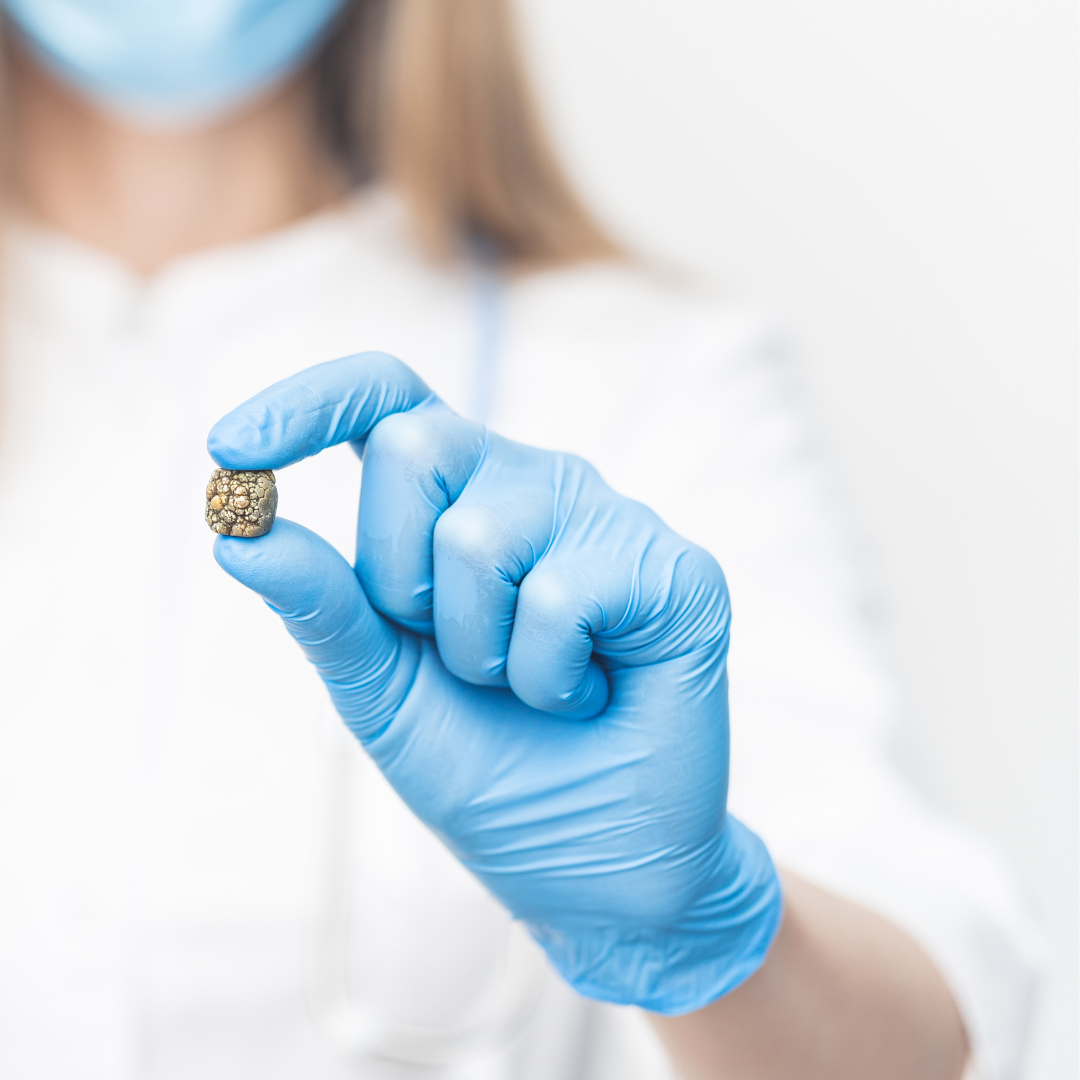
Galling stones are a disease that affects millions of people around the world and involves the formation of stones in the gallbladder. These stones can cause a number of ailments, from mild to very painful. Understanding the causes, symptoms and available treatment methods is important for effective dealing with this problem. What is cholelithiasis?
Galling stones, also known as choleleliaza, is a condition characterized by the presence of stones in the gallbladder or bile ducts. Gallstones can be of different sizes and chemical composition. There are three main types of stones:
- Cholesterol stones - The most common, consisting mainly of cholesterol.
- Pigmentary stones - They arise as a result of excess bilirubin.
- Mixed stones - They contain both cholesterol and dye elements.
The mechanism of bilestorms
The formation of gallstones is a complex process and depends on many factors. The yellow produced by the liver contains cholesterol, bile acid salts and bilirubin. When the balance between these ingredients is disturbed, deposits may precipitate, which over time transform into stones.Cholelithiasis - symptoms
Galling stones can be asymptomatic, but the most common symptoms are:- Abdominal pain - Most often located in the upper right of the abdomen, they can radiate to the back or right shoulder.
- Nausea and vomiting - often accompanying pain.
- Flatulence and a feeling of fullness.
Galling stones Symptoms
Bile colic is a specific type of pain associated with cholelithiasis. It manifests itself in a violent, sharp pain in the right teeth, which can last from several minutes to several hours. This pain is caused by blocking the bile duct through the stone.Cholelithiasis - causes
The causes of bilestorms are multifactorial. The most important risk factors include: Genetics: Family predispositions may increase the risk. Diet: rich in fats and cholesterol, poor in fiber. Obesity: increases the risk of cholelithiasis. Sex: Women are more exposed due to the effect of hormones such as estrogen. Age: risk increases with age. Pregnancy: hormonal changes can be conducive to the formation of stones.Pathophysiological mechanisms
The mechanism of forming stones may result from excessive cholesterol production, gile acid salt deficiency, or excess bilirubin. Each of these situations leads to a reduction in the solubility of bile components, which promotes the precipitation of deposits and the formation of stones.How to treat cholelithiasis?
The treatment of cholelithiasis depends on the presence of symptoms and complications. We distinguish several treatment methods:Pharmacological treatment
- Painkillers: used to alleviate pain.
- Wholeful drugs: they are designed to increase bile flow and reduce the risk of new stones.
Surgical treatment
- Laparoscopic cholecystectomy: the most frequently performed surgery to remove gallbladder. It is a slightly invasive method, characterized by a shorter recovery time.
Dietary treatment
Dietotherapy plays an important role in the treatment and prevention of cholelithiasis. It is recommended:- Avoiding fatty and fried dishes.
- Eating meals rich in fiber.
- Drinking a lot of water.
Prevention and lifestyle changes
Changing the lifestyle can significantly reduce the risk of bile stones. Worth:- Keep the correct body weight.
- Regularly exercise physical activity.
- Take care of a healthy and balanced diet.
Cholelithiasis diagnostics
Diagnosis of cholelithiasis is mainly based on imaging and laboratory tests.Diagnostic methods
- Abdominal ultrasound: The most frequently performed test that allows the detection of stones in the gallbladder.
- Computed tomography (TK): It allows for a more accurate assessment of the anatomical structures in the abdomen.
- Endoscopic retrograde cholangiopancreatography (ERCP): It allows you to assess bile ducts and remove stones.
The role of laboratory tests
- Blood tests: Morphology, liver tests, bilirubin levels - may indicate urolithiasis.
Sources
Johnson, A. G., & Thistle, J. L. (1999). Pathogenesis and Treatment of Gallstones. The New England Journal of Medicine, 341 (22), 1841-1849. Portincasa, P., Moschetta, A., & Palasciano, G. (2006). Gallstone Disease cholesterol. The Lancet, 368 (9531), 230-239. Shaffer, E. A. (2006). Epidemiology of Gallbladder Stone Disease. Best Practice & Research Clinical Gastroenterology, 20 (6), 981-996.Looking for a nutritious and filling meal?
Discover Supersonic Smart Meal! A nutritious meal you can prepare in seconds!

150 reviews
additional 5% discount


