
Dietician
Karolina Dobrowolska-Zrałka
Bee milk, also known as royal milk, is a substance produced by bees workers, which is mainly intended for the bee queen. Rich in nutrients, bee milk has been used for centuries in traditional and modern medicine due to its numerous health properties. Its unique properties make it a valuable dietary supplement that supports the functioning of the body on many levels. This article aims to present a full picture of bee milk, its health benefits, applications and potential contraindications.
Bee milk - a treasury of health properties and its role in natural medicine
Bee milk is a rich source of many biologically active substances, including proteins, lipids, vitamins, minerals and fatty acids. It contains B vitamins, vitamin C, vitamin D, as well as minerals such as potassium, calcium, magnesium and iron. One of the ingredients of bee milk is 10-hydroxycene acid (10-HDA), which has anti-inflammatory and antibacterial effects. Due to its properties, bee milk is widely used in natural medicine. It supports the immune system, accelerates tissue regeneration, and also improves skin condition. Studies indicate its potential benefits in the treatment of respiratory diseases, improving cognitive functions, as well as in antidepressant therapy.Contraindications for eating bee milk
Despite numerous health benefits, bee milk may not be suitable for everyone. People with allergies to bee products should avoid its use, as they can cause allergic reactions such as rashes, itching, and in extreme cases anaphylactic shock. Pregnant and nursing women should also consult a doctor before starting bee milk supplementation, due to the possible effect on hormones and unknown side effects during this period. In addition, people with liver diseases should be careful because excessive consumption of bee milk may affect the functioning of this organ. People taking medicines, especially anticoagulants, should also consult the use of bee milk with a doctor to avoid possible interactions.Bee -dried bee milk - what is it and what are its potential health benefits?
Bee -dried bee milk is a form of bee milk, which has been subjected to a freeze -free process, consisting of drying at low temperature and under a vacuum. This process allows most valuable nutrients and enzymatic components to preserve, which could be destroyed during traditional drying. Bee -dried bee milk is convenient to store and retains its health properties longer. It can be used in the form of powder or capsules and is often used in dietary supplements. Studies suggest that bee -dried bee milk can support the immune system, improve the condition of the skin and have anti -inflammatory and regenerating effects.The use of bee milk in various fields
Bee milk has been used in therapy for many diseases and ailments. In traditional medicine, it is used to treat the body's weakness, chronic fatigue and concentration problems. Studies indicate its potential in the therapy of heart disease, where it can support the health of blood vessels and reduce cholesterol. It also acts as a natural inflammation supporting agent and accelerating wound healing. In cosmetics, bee milk is valued for its rejuvenating and regenerative properties that help maintain healthy and youthful skin.Bee milk in honey - a combination of two natural ingredients for health and well -being
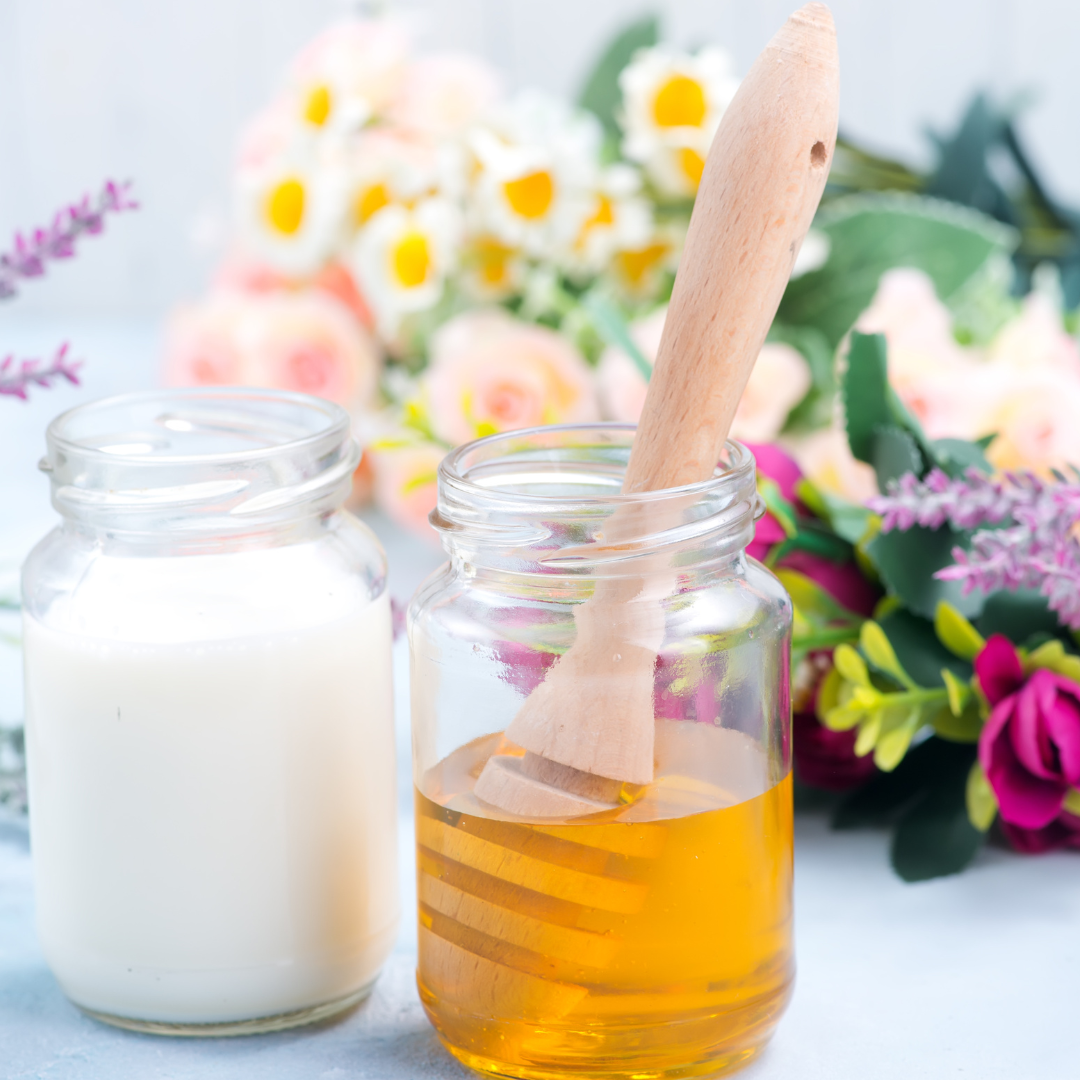
Royal jelly is often combined with honey, creating a mixture with double health benefits. Honey, which is also a bee product, enhances the effects of royal jelly thanks to its antibacterial, antioxidant and anti-inflammatory properties. This combination is often used for therapeutic purposes and as a natural supplement to support immunity and overall well-being. Royal jelly in honey can be used as a healthy alternative to synthetic supplements, bringing benefits in the form of strengthening the immune system, improving the condition of the skin and overall strengthening of the body.Royal jelly - dosage
The optimal dosage of royal jelly depends on the form in which it is taken and individual health needs. For royal jelly in powder or capsule form, dosages of 500 to 1,000 mg per day are usually recommended. It is important not to exceed the recommended daily dose to avoid potential side effects. Royal jelly in honey, due to its concentrated form, is usually taken in smaller amounts, from 1 to 2 teaspoons a day. It is always worth consulting the dosage with a doctor or specialist before starting supplementation, especially in the case of people with chronic diseases or taking medications.Royal jelly - supplementation for pregnant women
Pregnant women should be careful when using royal jelly. Due to the lack of sufficient research on the effect of royal jelly on the developing fetus, it is recommended to consult a doctor before starting supplementation. Although royal jelly is rich in nutrients, its effects on pregnancy are not well documented, and the use of any supplement during this period should be carefully considered and supervised by a specialist.Royal jelly - supplementation by children
Children should also take royal jelly with caution. Due to the possibility of allergic reactions and the immaturity of the digestive system, royal jelly supplementation in children should be consulted with a pediatrician. For children over 3 years of age, it is recommended to use royal jelly in small doses and under medical supervision to ensure the safety and effectiveness of supplementation.Sources
Khatib, M., & Laib, H. (2020). "Royal Jelly: A Review on Its Composition and Therapeutic Potential". Journal of Apicultural Research, 59(2), 183-191. Watanabe, H., & Kinoshita, Y. (2018). "Health Benefits of Royal Jelly". Nutrients, 10(12), 1864. Ooi, V. E. C., & Liu, F. (2016). "Royal Jelly and Its Therapeutic Applications". International Journal of Molecular Sciences, 17(4), 559.Looking for a nutritious and filling meal?
Discover Supersonic Smart Meal! A nutritious meal you can prepare in seconds!

150 reviews


