
Dietician
Karolina Dobrowolska-Zrałka
Aspartame is one of the most commonly used artificial sweeteners in the world, present in many food products, drinks and dietary supplements. Despite its popularity, its use is controversial. Some researchers and consumers question the safety of aspartame, pointing to the potential side effects of its long-term consumption. In this article, I will try to present a comprehensive picture of aspartame - from its basic properties, through applications, to issues related to its harmfulness and legal regulations.
Aspartame - what is it and what are its uses?
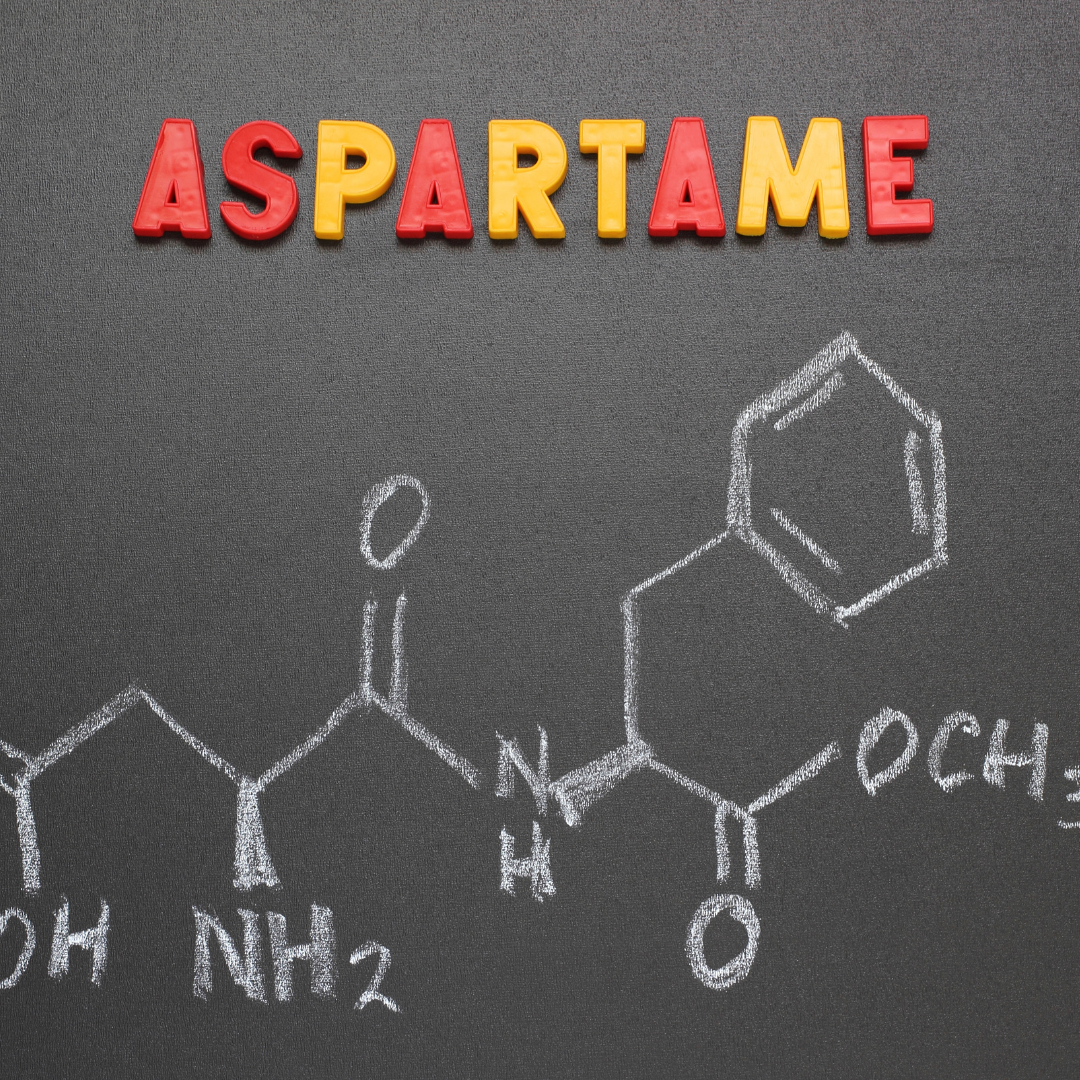
Aspartame is a low-calorie sweetener that is about 200 times sweeter than sucrose (traditional sugar). Discovered in 1965, aspartame quickly found use in the food industry as a sugar substitute in products such as carbonated drinks, chewing gum, dairy products, as well as in some medicines and dietary supplements. Chemically, aspartame is a dipeptide consisting of two amino acids: aspartic acid and phenylalanine, with the addition of a methyl group. Due to its high sweetness, aspartame is used in small amounts, which allows for a significant reduction in the caloric value of products. This is especially beneficial for people controlling their body weight and for people with diabetes, because aspartame does not significantly affect blood glucose levels.Harm of aspartame - controversies and discussions surrounding this sweetener
The issue of the harmfulness of aspartame has been the subject of many scientific studies, which have led to contradictory conclusions. On the one hand, numerous studies conducted by organizations such as the World Health Organization (WHO) and the European Food Safety Authority (EFSA) confirm the safety of aspartame when consumed in recommended amounts. On the other hand, some studies indicate potential health risks, including links to cancer, neurological disorders and metabolic problems. One of the main criticisms of aspartame is its ability to decompose into methanol, which is converted in the body into formaldehyde - a potentially toxic compound. Critics of aspartame argue that long-term exposure to formaldehyde can lead to cell and tissue damage and increase the risk of developing cancer. However, research on these risks is inconclusive, and most public health authorities consider aspartame safe as long as it is consumed within recommended limits.Aspartame Side Effects - Potential Side Effects and Safety Controversies
The potential side effects associated with aspartame consumption include headaches, migraines, dizziness, nausea and mood disorders such as depression and anxiety. Some users also report problems with memory and concentration, which may be a result of aspartame's effects on the central nervous system. It is worth noting, however, that most studies do not clearly confirm that aspartame is the direct cause of these symptoms. They are often reported in the context of subjective feelings, which makes it difficult to draw clear conclusions. Still, people who experience negative effects after consuming aspartame should consider limiting it or completely eliminating it from their diet.Aspartame during pregnancy - is it safe for pregnant women and their developing baby?
The use of aspartame during pregnancy is another topic that raises many questions and concerns. According to current research and recommendations from organizations such as EFSA, aspartame is safe for pregnant women as long as it is consumed in amounts consistent with the Acceptable Daily Intake (ADI). The ADI for aspartame is 40 mg/kg body weight, which effectively means that the average pregnant woman can safely consume much more than the typical amounts of aspartame found in the diet. However, pregnant women with phenylketonuria (PKU) - a genetic metabolic disease that leads to the accumulation of phenylalanine in the blood - should avoid aspartame. Phenylalanine is one of the components of aspartame, and its excessive consumption can be dangerous to the fetus, leading to brain damage and developmental delays.Where is Aspartame forbidden? Review of countries and regulations regarding the use of aspartame
Aspartame is approved for use in over 90 countries around the world, including the European Union, the United States and Canada. However, its use is not free from restrictions and regulations. In some countries, such as Japan, there are more severe regulations regarding food additives, which may reduce the use of aspartame in specific products. It is also worth noting that in the past Aspartame was the subject of investigations and discussions about its safety, which led to the introduction of additional research and monitoring of its consumption. Despite these controversy, most health institutions recognize aspartame as a safe addition to food, provided that it is consumed as recommended.Summary
Aspartame, as one of the most commonly used artificial sweeteners, is the subject of numerous studies and discussions. Despite some controversy, most scientific research and health organizations recognize aspartame as safe to consume in the recommended quantities. However, as with any food additive, it is worth monitoring your reactions to aspartame and consult a doctor, especially in situations such as pregnancy or existing health problems.Sources
EFSA Panel on Food Additives and Nutrient Sources Added to Food (ANS); Scientific Opinion on the Re-Evaluation of Aspartame (E 951) as a food address. EFSA Journal 2013; 11 (12): 3496. Magnuson Ba, Burdock Ga, Dull J, et al. Aspartame: A Safety Evaluation Based on Current Use Levels, Regulations, and Toxicological and Epidemiological Studies. Crit reve toxicol. 2007; 37 (8): 629-727. Butchko HH, Stargel WW, Comer CP, et al. Aspartame: Review of Safety. TOXICOL PHARMACOL Regulations. 2002; 35 (2 pt 2)Looking for a nutritious and filling meal?
Discover Supersonic Smart Meal! A nutritious meal you can prepare in seconds!

150 reviews
additional 5% discount


