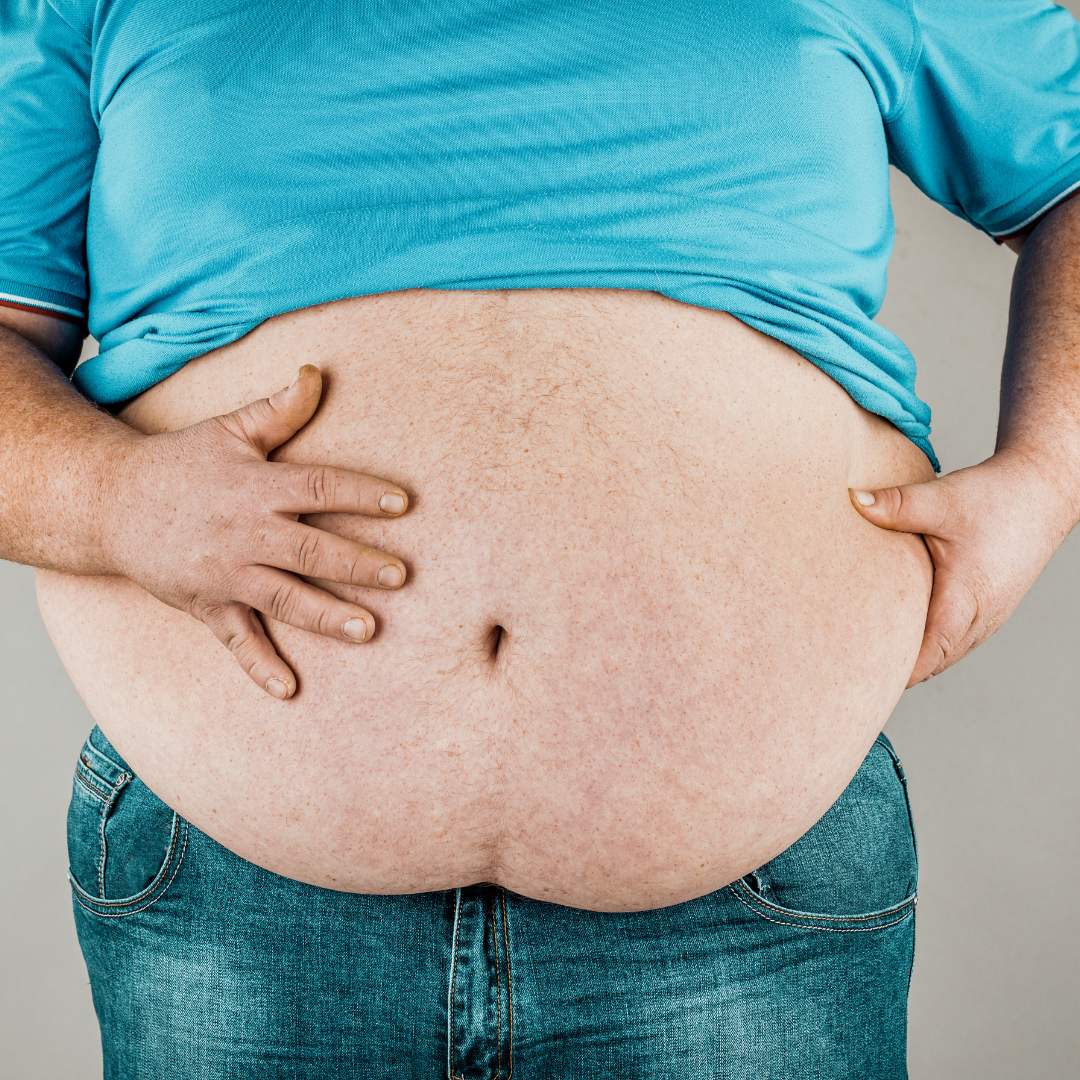

Abdominal obesity is a form of overweight in which excessive amount of fat accumulates within the abdomen. This type of obesity is particularly dangerous to health because it involves a higher risk of many serious diseases. In the article we will discuss the causes, symptoms and effects of abdominal obesity, as well as effective methods of its treatment, including exercise and diet.
Abdominal obesity - what is it?
Abdominal obesity, also known as android obesity, is characterized by excessive accumulation of fat around the abdomen and torso. This is one of the types of obesity that differs from gynoid obesity, in which fat accumulates mainly in the lower parts of the body, such as thighs and buttocks. The abdominal obesity is particularly dangerous, because fat in the abdomen, especially the internal one, tends to accumulate around internal organs, which can lead to serious health problems.Causes of abdominal obesity - what causes it?
Abdominal obesity is the result of the complex action of many factors. Here are important reasons:- Lifestyle and diet - A diet rich in saturated fats, sugars and processed food can lead to fat accumulation around the abdomen. Lack of regular physical activity further increases the risk of abdominal obesity.
- Genetic factors - Genes can affect the way the body stores fat. Some people have a genetic predisposition to accumulate fat around the abdomen.
- Hormonal changes - Hormones play an important role in adipose tissue regulation. Hormonal changes, such as a decrease in estrogen levels during menopause or hormonal imbalance, can lead to increased accumulation of fat around the abdomen.
- Stress and emotional disorders - Stress and emotional disorders can lead to excessive food, especially high -calorie foods, which promotes the accumulation of fat around the abdomen.
- Health problems - Some diseases and drugs may affect body weight gain and abdominal fat accumulation.
How to recognize abdominal obesity? - symptoms
The diagnosis of abdominal obesity is based on several indicators. Measurement of the waist circumference is a simple way to assess the amount of abdominal fat; A high waist circumference, exceeding 94 cm in men and 80 cm in women, may suggest abdominal obesity. The BMI indicator, although it does not take into account the distribution of fat in the body, is a useful tool for the overall assessment of overweight, and abdominal obesity often occurs in people with BMI ≥30. Measurement of a visceral fat indicator, which assesses the excess fat surrounding internal organs, can be made using modern imaging technologies such as computed tomography or magnetic resonance imaging. Health symptoms, such as pain in the abdomen, breathing difficulties and a feeling of heaviness, can also indicate excess abdominal fat.The effects of abdominal obesity
Abdominal obesity is associated with serious health consequences, both physical and psychological:Cardiovascular problems
Abdominal fat increases the risk of heart disease, hypertension and strokes. It can lead to an increase in cholesterol and triglycerides in the blood.Type 2 diabetes:
Excessive accumulation of fat around the abdomen is strongly associated with insulin resistance and development of type 2 diabetes.Respiratory problems
Abdominal obesity can lead to breathing disorders, such as sleep apnea, which affects the quality of sleep and general well -being.Metabolic disorders
Abdominal obesity can lead to a metabolic syndrome, which includes a number of health problems, such as increased blood pressure, increased blood sugar levels and lipid disorders.Sychic problems
People with abdominal obesity may experience a reduced self -esteem, depression and anxiety related to the appearance of the body and health.How to get rid of abdominal obesity quickly?
Treatment of abdominal obesity requires a coordinated approach, which includes changes in the diet, exercise and, in some cases, medical interventions. Below are strategies:Abdominal obesity exercises
Regular physical activity is important in reducing fat in the abdomen. Here are some effective exercises: Cardio exercises: Running, swimming, cycling and marches are effective in burning calories and reducing abdominal fat. Strength training: Exercises such as weightlifting or resistance training help build muscle mass, which increases the metabolism rate and promotes fat burning. Abdominal exercises: Exercises such as plank, crunches and lifting legs help strengthen abdominal muscles, but they are not enough to reduce abdominal fat in themselves. They should be used as part of a wider exercise program.Abdominal obesity - diet
The diet plays an important role in the fight against abdominal obesity. Increasing the consumption of fiber, which is found in vegetables, fruits and whole grain cereal products, can help reduce fat, improving the feeling of satiety and regulating blood sugar levels. Limiting saturated fats and sugars, by avoiding processed food, sweetened drinks and saturated fats, contributes to fat loss. Turning more protein into the diet supports the structure of muscle mass and increases the metabolism rate, which is beneficial in the process of fat reduction. In addition, proper hydration, by drinking enough water, is important for overall health and supports metabolic processes.Summary
Abdominal obesity is a serious health problem that can lead to many complications, including heart disease, type 2 diabetes and metabolic disorders. Understanding its causes, symptoms and effects is important for effective treatment and prevention. Effective abdominal obesity management requires a holistic approach, including a healthy diet, regular exercise and, in some cases, medical interventions. Taking actions for a healthy lifestyle can significantly improve the quality of life and general well -being.Footnotes
National Institute of Diabetes and Digestive and Kidney Diseases. (2021). "Obesity." Retrieved from niddk Bray, G. A., & Ryan, D. H. (2014). "Long-Term Weight loss maintenance." The American Journal of Clinical Nutrition, 100 (3), 1083-1089. DOI: 10.3945/AJCN.113.071349
Dietician
Karolina Dobrowolska-Zrałka
doktor nauk medycznych i nauki o zdrowiu, dietetyk kliniczny Absolwentka studiów I i II stopnia na kierunku dietetyka oraz doktorantka w Szkole Doktorskiej Uniwersytetu Medycznego we Wrocławiu
Więcej artykułów autoraLooking for a nutritious and filling meal?
Discover Supersonic Smart Meal! A nutritious meal you can prepare in seconds!

150 reviews


