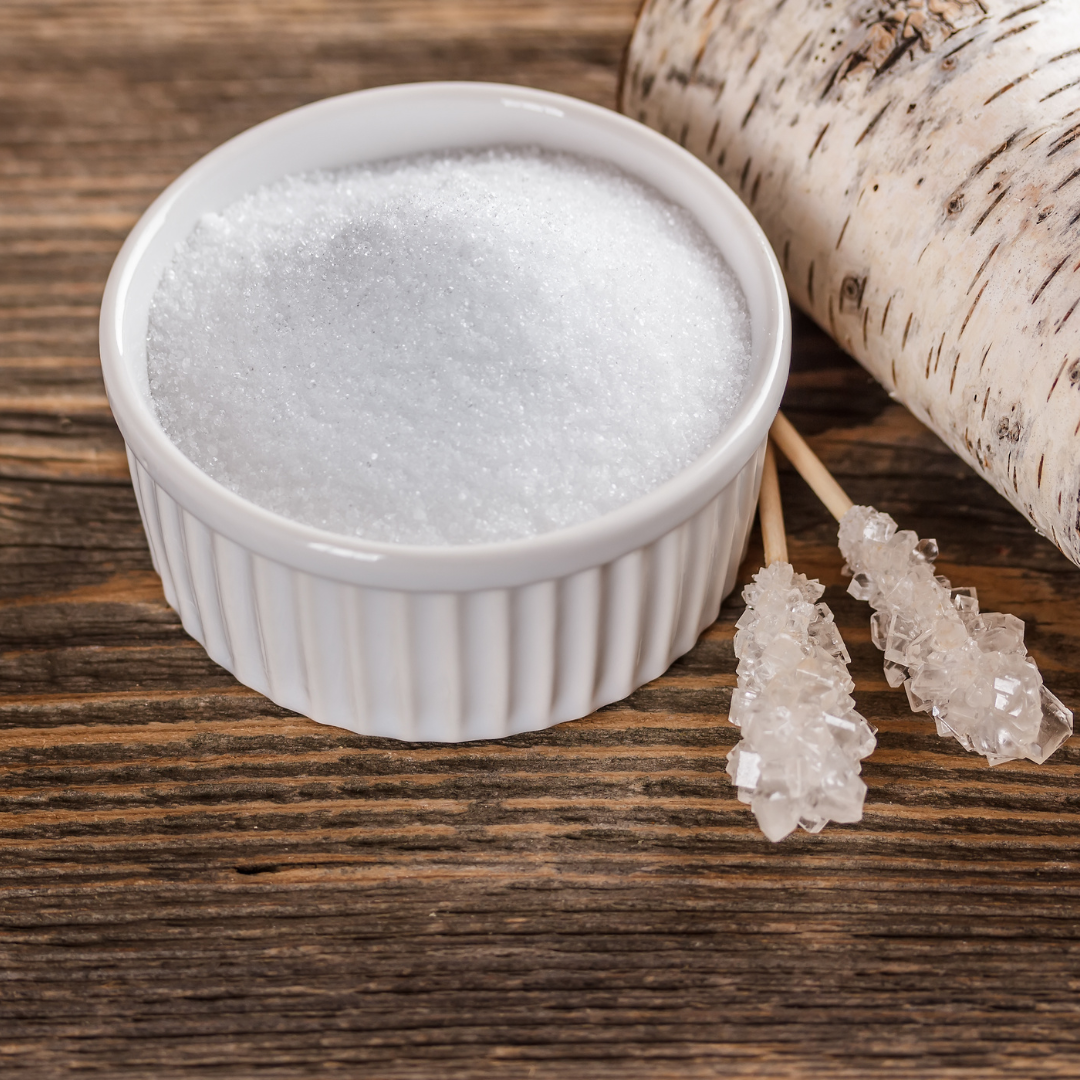

Xylitol, also known as sugar alcohol, is a popular sweetener used as a substitute for traditional sugar. Its growing popularity results from many health benefits, which he offers, especially in the context of calorie reduction and effect on blood sugar levels. Although xylitol is naturally present in some fruits and vegetables, it is most often produced from hemicellulose, mainly from birch bark, hence its colloquial name - birch sugar. In this article, we will take a closer look at this sweetener, analyzing its caloric content, impact on health, glycemic index and comparing it with traditional sugar.
Xylitol - how many calories does xylitol contain?
One of the main reasons why xylitol gained popularity is its low caloric content compared to sucrose (traditional sugar). Xylitol provides about 2.4 kcal per gram, which is about 40% less calories than sugar, which contains 4 kcal per gram. This difference can be important for people who care about the line or try to reduce the caloric content of their diet without giving up a sweet taste. Due to the lower caloric content, xylitol is attractive for people who try to lose weight or maintain healthy weight. It is also often used in low -calorie diets and products intended for people with diabetes.Xylitol - what is this popular sweetener?
Xylitol is a kind of sugar alcohol, which naturally occurs in small amounts in many fruits and vegetables, such as berries, plums, corn and mushrooms. Chemically, it is a five -gap polyhydroxyl alcohol, which means that its chemical structure resembles both sugar and alcohol, but does not contain ethanol, which is responsible for the effect of intoxicating food alcohol. The xylitol production process usually involves extraction of hemicellulose contained in trees such as birch, and plants such as corn. Hemicellulose is hydrolyzed to xylulose, which is then transformed into xylitol through the process of catalytic hydrogenation. As a result of this process, a sweetener is formed, which is almost as sweet as sugar, but with lower calorie.Xylitol Glycemic index - how does it affect blood sugar levels?
One of the most important aspects of xylitol is its low glycemic index (IG). The glycemic index is an indicator that measures how quickly a given food increases blood glucose. Low IG products cause a slower and lower increase in blood sugar levels, which is beneficial for people with diabetes or insulin resistance. Xylitol has a very low glycemic index of about 7, while for comparison sugar has an IG of about 60-70. Thanks to this, xylitol does not cause rapid jumps in blood glucose, which makes it the right choice for people with diabetes and those who want to maintain a stable blood sugar level.Is xylitol healthy? Benefits and potential side effects
Xylitol is often advertised as a healthier alternative to sugar, which is largely true. There are many scientific studies confirming its positive health, especially in the context of oral health. Xylitol has anti -caries, because it is not fermented by bacteria in the mouth, which means that it does not contribute to the formation of acids that destroy tooth enamel. In addition, xylitol supports teeth mineralization and can contribute to the reduction of caries, which makes it a popular component of chewing gums, toothpastes and other oral hygiene products. However, despite numerous benefits, excessive intake of xylitol can lead to side effects such as diarrhea, flatulence or other gastrointestinal problems, especially in people who are not used to sugar alcohol. Therefore, it is recommended to gradually introduce xylitol to the diet and avoid excessive consumption.Xylitol vs. Sugar - comparison of properties and impact on health
Comparing xylitol with traditional sugar, you can see a few differences. First of all, xylitol has less calories, which makes it a better choice for people who want to reduce calorie intake. In addition, xylitol has a much lower glycemic index, which is beneficial for people with diabetes or trying to control blood sugar levels. Unlike sugar, which contributes to the formation of caries, xylitol has a protective effect for teeth, which is its great advantage. What's more, xylitol does not cause rapid jumps in blood sugar, which makes it a more stable source of energy. However, sugar is more easily available and cheaper to produce, which makes it more common in the diet. In addition, xylitol, although healthier, should not be consumed in excess, especially by people with a sensitive digestive system.Summary
Xylitol is an attractive alternative to traditional sugar, offering a number of health benefits, such as lower caloric content, a low glycemic index and anti -caries. This is a particularly valuable sweetener for people with diabetes or those who care about teeth health. However, like any product, xylitol should be consumed in moderation to avoid potential side effects. The choice between xylitol and sugar depends on individual health needs and diet preferences.Sources
Hegde, M. N., Thakkar, P. R., & Shetty, S. (2014). "Xyllitol: The Sweetest of All Natural Sweeteners". Journal of Health Research and Reviews. Mäkinen, K. K. (2010). "Sugar Alcohols, Caries Incidence, and reminaralization of caries lesions: a literature review". International Journal of Dentistry. European Food Safety Authority (EFSA). (2011). "Scientific Opinion on the Substantyration of Health Claims Related To Xylitol". EFSA Journal.
Dietician
Karolina Dobrowolska-Zrałka
doktor nauk medycznych i nauki o zdrowiu, dietetyk kliniczny Absolwentka studiów I i II stopnia na kierunku dietetyka oraz doktorantka w Szkole Doktorskiej Uniwersytetu Medycznego we Wrocławiu
Więcej artykułów autoraLooking for a nutritious and filling meal?
Discover Supersonic Smart Meal! A nutritious meal you can prepare in seconds!

150 reviews
![Ranking kreatyny [2026] - TOP 10 produktów, które warto znać](http://supersonicfood.com/cdn/shop/articles/kreatyna-ranking_c1a64d3a-0854-4df3-8a54-c034300baab7.jpg?format=webp&v=1786623654&width=1100 "Ranking kreatyny [2026] - TOP 10 produktów, które warto znać")


