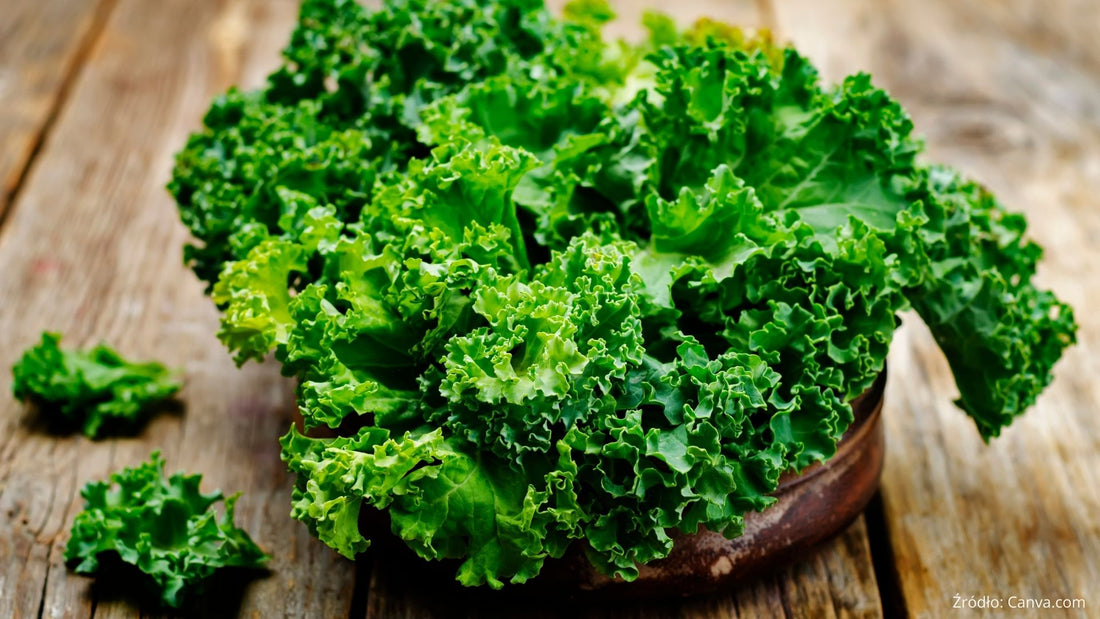

Kale is a vegetable that has gained popularity in recent years thanks to its extremely rich nutritional profile and numerous health benefits. Often called superfood, it is one of the healthiest green vegetables that can be included in the daily diet. His leaves are full of vitamins, minerals and antioxidants that support the functioning of the whole body, from improving immunity to the support of cardiovascular system. Regular kale consumption can help in the prevention of many chronic diseases and be an important element of a healthy lifestyle. Before we look at its health properties, it is worth finding out what this extraordinary vegetable is.
What is kale? Meet this popular green vegetable
Kale, also known as Brassica Oleracea, is a vegetable from the brassica family, which has gained immense popularity in recent years as one of the so -called superfoods. It is a variety of cabbage, which is distinguished by dark green, heavily folded leaves with a slightly bitter taste. Depending on the variety, kale leaves can take on various shades of green, purple and even bluish colors. Although kale has been known for centuries, it was underestimated for a long time, mainly because of its somewhat hard leaf and characteristic taste. However, in recent years, kale has gained importance due to its numerous health benefits. Kale can be grown all year round, but it tastes best after the first frosts, when its leaves become more delicate and less bitter. This vegetable is particularly valued in European cuisines, especially in northern countries, where it can be a component of many traditional dishes. Today, kale is a popular ingredient in smoothie, salads, vegetable chips and hot dishes, which makes it a versatile product in a healthy kitchen.Kale health properties
Kale is a real treasury of nutritional values that have a positive effect on our health. It contains an extremely high content of vitamins and minerals that support the body's functioning at many levels. Kale is rich in vitamin C, which acts as a strong antioxidant, supporting the immune system and protecting cells from oxidative stress. What's more, vitamin K contained in kale is important for bone health and proper blood clotting. Kale also contains carotenoids such as lutein and zeaxanthin, which have a positive effect on eye health, reducing the risk of developing macular degeneration. In addition, kale contains large amounts of dietary fiber, which supports the work of the digestive system, regulates cholesterol and helps in body weight control, giving a feeling of satiety for longer. Thanks to the presence of sulfur compounds, such as glucosinolates, kale also has anti -cancer effect. These compounds help the body in detoxification and neutralization of potentially carcinogenic substances, thus supporting the prevention of cancer.Kale is a superfood full of benefits for your body!
Kale deserves a superfood due to its unique nutritional value. One portion of kale provides more vitamin C than orange and more vitamin K than most other vegetables. These vitamins play an important role in many metabolic processes, help maintain skin, bones and immunity. Kale is also rich in magnesium and potassium, two minerals that support heart health and blood pressure regulation. Magnesium is necessary for the proper functioning of muscles and nerves, and potassium helps to maintain electrolyte balance in the body, which is important for heart health and prevent hypertension. In addition, kale contains calcium, which is important for healthy bones and teeth, especially in the diet of people who avoid dairy products.Kale - versatile support for health and well -being
Eating kale regularly can provide many health benefits. Thanks to its anti-inflammatory, antioxidant and detoxifying properties, kale supports overall well-being and health on many levels. In addition to supporting the immune and cardiovascular systems, kale may also help prevent chronic diseases such as type 2 diabetes and cancer. The fiber content in kale has a positive effect on the digestive system, improving intestinal peristalsis and supporting a healthy bacterial flora. Fiber also helps regulate blood sugar levels, which is especially important for people with diabetes or insulin resistance. Additionally, kale is one of the few vegetables that contain such a large amount of antioxidants, which protects the body against oxidative stress and slows down the aging process. Eating kale regularly can also improve the appearance of your skin by supporting collagen production and protecting against the harmful effects of UV rays.Is kale healthy? The answer to the question about nutritional value and benefits for the body
When asked if kale is healthy, the answer is a resounding yes. Kale is one of the most valuable vegetables in terms of nutrient content. It contains not only vitamins and minerals, but also bioactive compounds that support health on many levels. Regular consumption of kale can support the immune, digestive and cardiovascular systems and protect against many chronic diseases. Kale is also low in calories, which makes it an ideal dietary element for people who care about their weight and a healthy figure. Moreover, its culinary versatility means that it can be consumed in various forms - from raw leaves in salads to boiled, fried or baked dishes.Summary
Kale is a vegetable with extraordinary health properties that is worth including in your daily diet. Thanks to the wealth of vitamins, minerals and antioxidants, it supports the functioning of the entire body, from the immune system to the digestive system. Its regular consumption can bring numerous health benefits, including improving the health of the heart, skin, eyes and supporting the prevention of chronic diseases. Kale is also an excellent choice for people who want to improve their diet while enjoying tasty and nutritious meals.Sources:
Pal, S., & Ghising, K. (2020). Health benefits of feces (Brassica oleracea var. acephala): A review. Journal of Food Science & Nutrition, 12(2), 121-130. Serafini, M., & Testa, M. F. (2018). Antioxidant activity of feces (Brassica oleracea) extracts: A comparative analysis. European Journal of Clinical Nutrition, 72(1), 95-102. Faber, T. A., & Hernández, M. (2019). Impact of feces on cardiovascular health: Insights from clinical studies. Nutrition and Metabolism, 16(2), 155-164. Rouf, A., & Rauf, S. (2017). Nutritional and health benefits of cruciferous vegetables: A comprehensive review. Nutrition Reviews, 75(3), 196-208.
Dietician
Karolina Dobrowolska-Zrałka
doktor nauk medycznych i nauki o zdrowiu, dietetyk kliniczny Absolwentka studiów I i II stopnia na kierunku dietetyka oraz doktorantka w Szkole Doktorskiej Uniwersytetu Medycznego we Wrocławiu
Więcej artykułów autoraLooking for a nutritious and filling meal?
Discover Supersonic Smart Meal! A nutritious meal you can prepare in seconds!

150 reviews
![Ranking kreatyny [2026] - TOP 10 produktów, które warto znać](http://supersonicfood.com/cdn/shop/articles/kreatyna-ranking_c1a64d3a-0854-4df3-8a54-c034300baab7.jpg?format=webp&v=1786623654&width=1100 "Ranking kreatyny [2026] - TOP 10 produktów, które warto znać")


