
Iodine is an essential element for the proper functioning of the human body, and its deficiency may lead to serious health problems. Iodine supplementation becomes necessary in situations when dietary intake is insufficient or when the body has an increased demand for this microelement.
Iodine - what role does it play in the body?
Iodine is an element necessary for the proper functioning of the body. Its main role is the production of thyroid hormones - thyroxine (T4) and triiodothyronine (T3). These hormones are important for many metabolic processes, including regulation of metabolic rate, control of growth and development, and the functioning of the nervous system.Hormonal metabolism
Thyroid hormones play a fundamental role in the metabolism of lipids, carbohydrates and proteins. Regulation of these processes affects the body's energy homeostasis. Thyroxine (T4) and triiodothyronine (T3) are produced in the follicular cells of the thyroid gland and constitute approximately 90% of all thyroid hormones circulating in the blood.Effects on the nervous system
One of the key roles of iodine is its influence on the proper development of the brain and nervous system, especially in the fetal period and early childhood. Iodine deficiency during this period may lead to serious neurological disorders and mental retardation. In developing countries, lack of sufficient iodine in the diet is the main cause of endemic goiter and hypothyroidism.Reproductive system
Iodine is also important for the health of the reproductive system. In case of iodine deficiency, fertility disorders may occur in both women and men.Iodine supplementation - when is it worth using?
Iodine supplementation is recommended in situations where the intake of this element from the diet is insufficient. There are several key risk groups and situations in which iodine supplementation is particularly important.Risk groups
- Pregnant and breastfeeding women: During pregnancy and lactation, the need for iodine increases by approximately 50%. This is because the growing fetus uses the mother's iodine stores to produce its own thyroid hormones. Iodine supplementation during this period is crucial for the proper development of the child's brain.
- Kids: Regular iodine intake is important for children, especially during periods of rapid growth.
- People living in areas with low iodine content in the soil: In some areas of the world, the soil is low in iodine, which leads to low levels of this element in crops and food products. An example of such a region are the high mountain areas of Central Asia.
- Elimination and vegan diets: People on restrictive diets, especially vegan ones, may have difficulty providing the appropriate amount of iodine, because its main source are marine products.
- Iodine allergy: Although extremely rare, an iodine allergy may limit the consumption of products rich in this element.
Iodine and the thyroid gland - the influence of iodine supplementation on the functioning of the thyroid gland
Iodine supplementation has a direct impact on the functioning of the thyroid gland, as it is an important element for the synthesis of its hormones.Physiology of the thyroid gland
The thyroid is an endocrine gland located in the front of the neck. Its main function is the production of the hormones thyroxine (T4) and triiodothyronine (T3). This process takes place in the follicular cells of the gland, which capture iodine from the blood and incorporate it into the structure of thyroid hormones.Effects of iodine deficiency on the thyroid gland
Iodine deficiency leads to reduced production of thyroid hormones, which in turn may result in the following disorders: Endemic will: this thyroid enlargement as a response to a decrease in its function. The will arises when the thyroid is trying to compensate for low hormone levels through increased activity. Hypothyroidism (hypotaretics): is characterized by a decrease in the rate of metabolism, manifested in fatigue, weight gain, cold feeling, depression and dry skin.The effects of excess iodine
Excessive iodine consumption can also lead to thyroid disorders such as:- Hyperthyroidism (hypertleosis): a condition in which the thyroid produces excess hormones, which leads to the acceleration of metabolism. Symptoms include weight loss, nervousness, tachycardia (accelerated heartbeat) and excessive sweating.
- Hashimoto disease: chronic thyroiditis, which can be sharpened by excess iodine.
Iodine deficiency - what is characterized by?
Iodine deficiency is a serious health problem, especially in areas where the content of this element in soil and water is low. Below are the most important symptoms and health consequences related to iodine deficiency.Symptoms of iodine deficiency
- Endemic will: Visible thyroid enlargement.
- Metabolic disorders: Slowing down the pace of metabolism, which can lead to weight gain.
- Fatigue and weakness: People with iodine deficiency often feel chronic fatigue and muscle weakness.
- Susceptibility to cold: The decrease in thyroid hormone production reduces the basic body temperature.
Long -term consequences
- Delays of mental development in children: The most drastic consequence of iodine deficiency in children can be moronism, which is characterized by severe mental and physical retardation.
- Cardiovascular disorders: Iodine deficiency can lead to reduced heart rate, which increases the risk of cardiovascular disease.
Diagnostics
Diagnosis of iodine deficiency is based on tests of thyroid hormone levels (T3 and T4) and the level of thyrotropin (TSH) - a hormone stimulating thyroid gland. Low T3 and T4 levels with an increased level of TSH may indicate iodine deficiency.What are the natural sources of iodine?
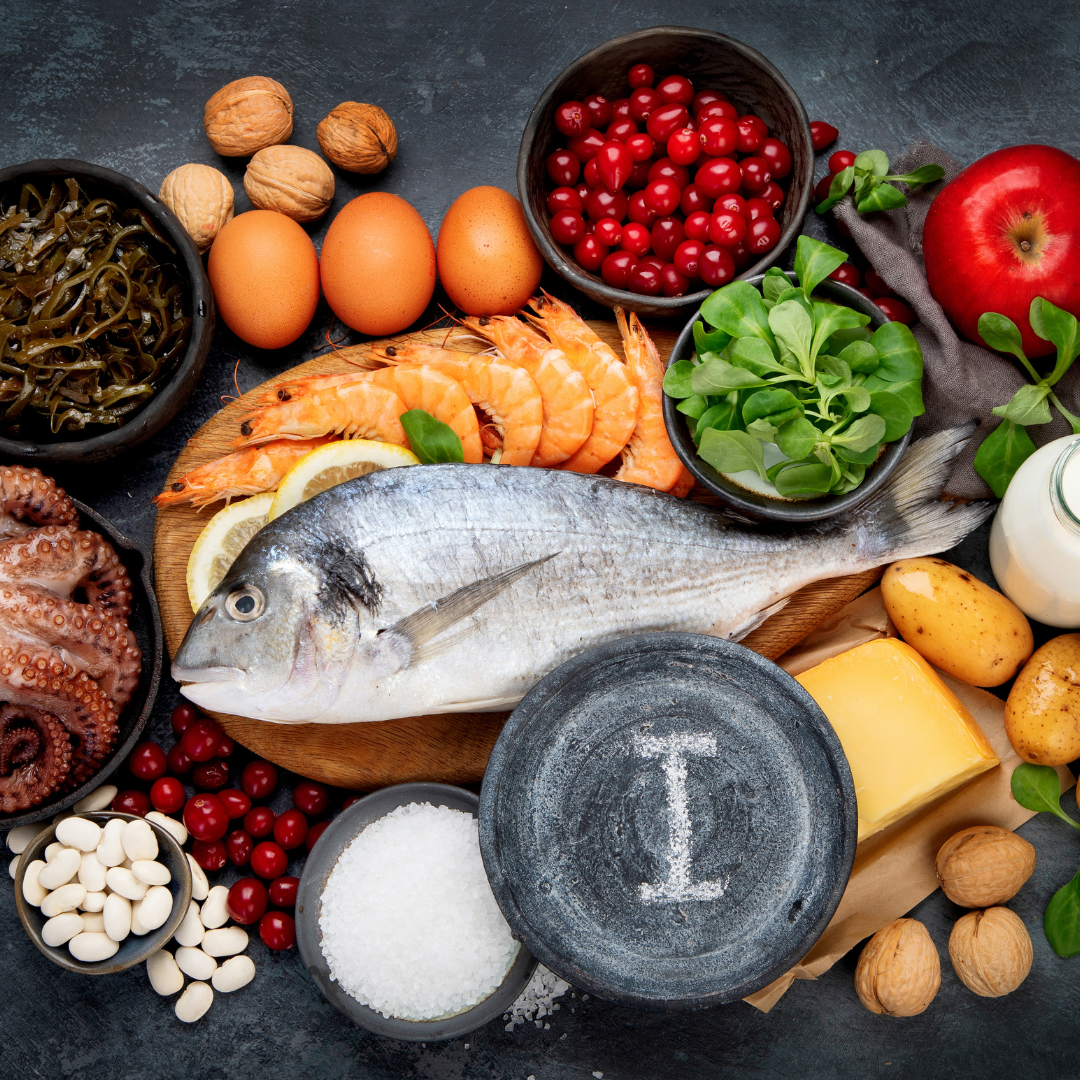
In order to prevent iodine deficiency, it is worth introducing products rich in this element into the diet. Natural sources of iodine are:- Sea fish and seafood: They are one of the richest sources of iodine. For example, cod, tuna or salmon.
- Dairy products: Milk, cheese, yogurt contain significant amounts of iodine, especially if the animals were fed with iodine rich.
- Iodized kitchen salt: This is the most common way to enrich the diet with iodine, especially in regions with low iodine content in soil.
- Sea vegetables: Such as algae (Kelp, Nori) are rich in iodine and are an important element of the diet in Asian cultures.
Sources
Zimmermann MB, Boelart K. "Iodine defictentcy and thyroid disorders." Lancet diabetes endocrinol. 2015. Pearce en, Andersson M, Zimmermann MB. "Global Iodine Nutrition: Where Do We stand in 2013?" Thyroid. 2013. World Health Organization. "Assessment of iodine Deficiency Disorders and Monitoring their elimination: a guide for program managers." 2007.
Dietician
Karolina Dobrowolska-Zrałka
doktor nauk medycznych i nauki o zdrowiu, dietetyk kliniczny Absolwentka studiów I i II stopnia na kierunku dietetyka oraz doktorantka w Szkole Doktorskiej Uniwersytetu Medycznego we Wrocławiu
Więcej artykułów autoraLooking for a nutritious and filling meal?
Discover Supersonic Smart Meal! A nutritious meal you can prepare in seconds!

150 reviews


