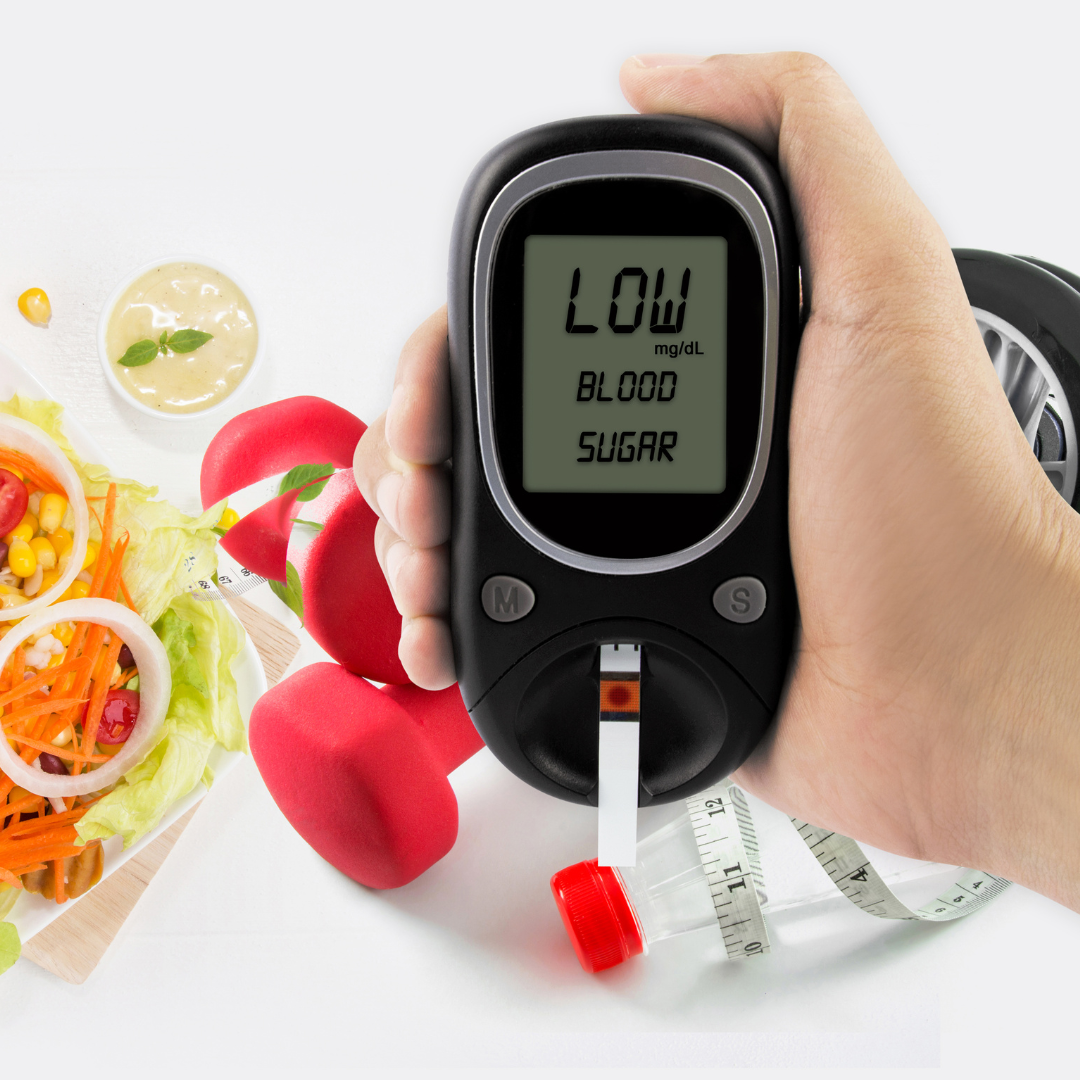

Diabetes is a chronic metabolic disease that requires strict dietary control to maintain stable blood glucose levels and reduce the risk of health complications. A properly balanced diet helps in the treatment of diabetes.
Diet for diabetics - basic rules
The basic goals of the diet for diabetics are, among others Maintaining a stable level of glucose in the norm and ensuring an adequate caloric balance to maintain a normal body weight. You should also pay attention to the reduction of the risk of diabetes complications, such as cardiovascular diseases.Basic rules:
1. Regular meals
Eating regular meals, preferably 5-6 times a day, helps maintain a even blood glucose level. The key is to avoid long breaks between meals.2. Glycemic index control (IG)
The glycemic index (IG) is an indicator that informs about the impact of a given food product on the level of glucose in the blood after consumption. Low IG products (below 55) are more beneficial for people with diabetes, because they cause slower and more controlled increases in glucose levels.3. Macronutrient balance
In the diabetic diet, it is important to properly balance carbohydrates, proteins and fats:- Carbohydrates - It is recommended that they constitute about 45-60% of the total amount of calories. You should choose low IG carbohydrates, such as whole -grain cereal products, vegetables and some fruits.
- Proteins - They should provide about 15-20% of calories. A good source of protein are lean meat, fish, legumes, eggs and low -fat dairy products.
- Fats - Following about 20-35% of calories. Unsaturated fats in olive oil, nuts and fish should be preferred.
Diabetic diet - what is allowed and what not?
Effective management of diabetic diet requires a clear distinction between the recommended products and those that should be avoided. The recommended products include vegetables, especially those with a low glycemic index (IG), such as green leafy vegetables, broccoli, cauliflower or carrots, whole grain cereal products such as porridge, brown rice, groats and wholemeal pasta, plant and animal proteins (lean meat, fish, pod IG, such as berries, strawberries, apples and pears, and unsaturated fats, including olive oil, avocado, nuts and seeds. On the other hand, products that should be avoided include simple and processed sugars (sweets, cakes, soda, syrups), white bread and refined flour products (white bread, white rice, white flour pasta), highly processed products (fast food, ready dishes, highly processed snacks), and saturated and translated dishes (fried dishes, fatty meats, butter, margarines with high trans fat content).What to eat with diabetes - products that reduce blood sugar levels
Products that reduce blood sugar levels are crucial for people with diabetes because they help control glucose levels. Cinnamon, for example, can improve insulin -sensitivity and reduce glucose, as some studies suggest. Apples contain soluble fiber, which also helps to maintain stable glucose levels. Oats, due to the low glycemic index (IG) and high fiber content, supports the maintenance of stable glucose levels. Green tea contains compounds supporting the metabolism of sugars, which contributes to better control of blood sugar levels. Nuts are also beneficial because they have low IG and are rich in healthy fats and protein, which helps maintain stable blood glucose levels.Diet diet - an example menu
Breakfast: Oatmeal porridge made of whole grain oatmeal, cooked on water or low -fat milk, with the addition of fresh berries and nuts. Second Breakfast: apple or pear, a handful of almonds. Lunch: Grilled chicken fillet, quinoa with stewed vegetables (broccoli, carrots, zucchini), a salad of mixed leaves with olive oil. Tea: Low -fat natural yogurt with cinnamon and apple slices. Dinner: Baked fish (e.g. salmon) with herbs, baked sweet potatoes, cooked vegetables (spinach, green beans).The importance of monitoring glycemic and physical activity
Glycemia monitoring
Regular monitoring of blood glucose levels is necessary to assess the effectiveness of the diet and the drugs used. This helps quickly recognize possible problems and appropriate interventions.Physical activity
Physical activity is an integral part of diabetes management. It helps in body weight control, improves insulin sensitivity and supports the overall condition of the body. Moderate aerobic exercises, such as fast march, swimming or cycling, are recommended, at least 30 minutes a day for most days of the week.Diabetic diet and alcohol
Alcohol consumption by diabetes requires special attention and moderation, because alcohol can affect blood sugar. After alcohol consumption, glucose levels can occur - both hypoglycemia and hyperglycemia, depending on the type and amount of drink drunk. Hypoglycemia is particularly dangerous, which can occur even a few hours after drinking alcohol, especially if a person takes medicines for diabetes or insulin. It is recommended to drink alcohol in the company of food to minimize the risk of sugar levels. People with diabetes should also avoid sweet drinks and liqueurs that contain large amounts of sugar. It is always worth monitoring blood glucose before and after drinking alcohol and consult a doctor on safe alcohol consumption.Diabetic diet in pregnancy - what to eat?
Pregnancy is a special time when maintaining a stable level of blood sugar is crucial for both mother and child's health. Pregnant women who have diabetes should particularly care for their diet. It is recommended to eat fiber -rich meals, such as whole grain cereal, fruits and vegetables. Protein also plays an important role, so it is worth including lean meat, fish, eggs and legumes in the diet. Avoiding simple carbohydrates and sweetened drinks will prevent sugar levels suddenly. Good fats, such as those contained in avocado, nuts and olive oil, are also recommended.Summary
A properly composed diabetic diet is important in diabetes management. It is based on regular consumption of meals, controlling the glycemic index of consumed products and the appropriate balance of macronutrients. It is also important to avoid highly processed and rich in saturated fats and simple sugars. In addition, monitoring blood glucose and regular physical activity are integral elements of a healthy lifestyle for people with diabetes. Remember that each diet should be adapted to the individual needs of the patient, so you should consult a doctor or dietitian specializing in the treatment of diabetes.Sources
American Diabetes Association. (2020). Standards of medical care in diabetes -2020 abridged for primary care providers. Clinical Diabetes, 38 (1), 10-38. Jenkins, D. J., Wolever, T. M., Taylor, R. H., Barker, H., Fielden, H., Baldwin, J. M., ... & Goff, D. V. (1981). Glycemic Index of Foods: A Physiological Basis for Carbohydrate Exchange. The American Journal of Clinical Nutrition, 34 (3), 362-366. Franz, M. J., Boucher, J. L., Rutten-Amos, S., & Vanwormer, J. J. (2015). Lifestyle Weight-Loss Intervention Outcomes in Overweight and Osese Adults with Type 2 Diabetes: A Systematic Review and Meta-Analysis of Randomized Clinical Trials. Journal of the Academy of Nutrition and Dietetics, 115 (9), 1447-1463.
Dietician
Karolina Dobrowolska-Zrałka
doktor nauk medycznych i nauki o zdrowiu, dietetyk kliniczny Absolwentka studiów I i II stopnia na kierunku dietetyka oraz doktorantka w Szkole Doktorskiej Uniwersytetu Medycznego we Wrocławiu
Więcej artykułów autoraLooking for a nutritious and filling meal?
Discover Supersonic Smart Meal! A nutritious meal you can prepare in seconds!

150 reviews
additional 5% discount


