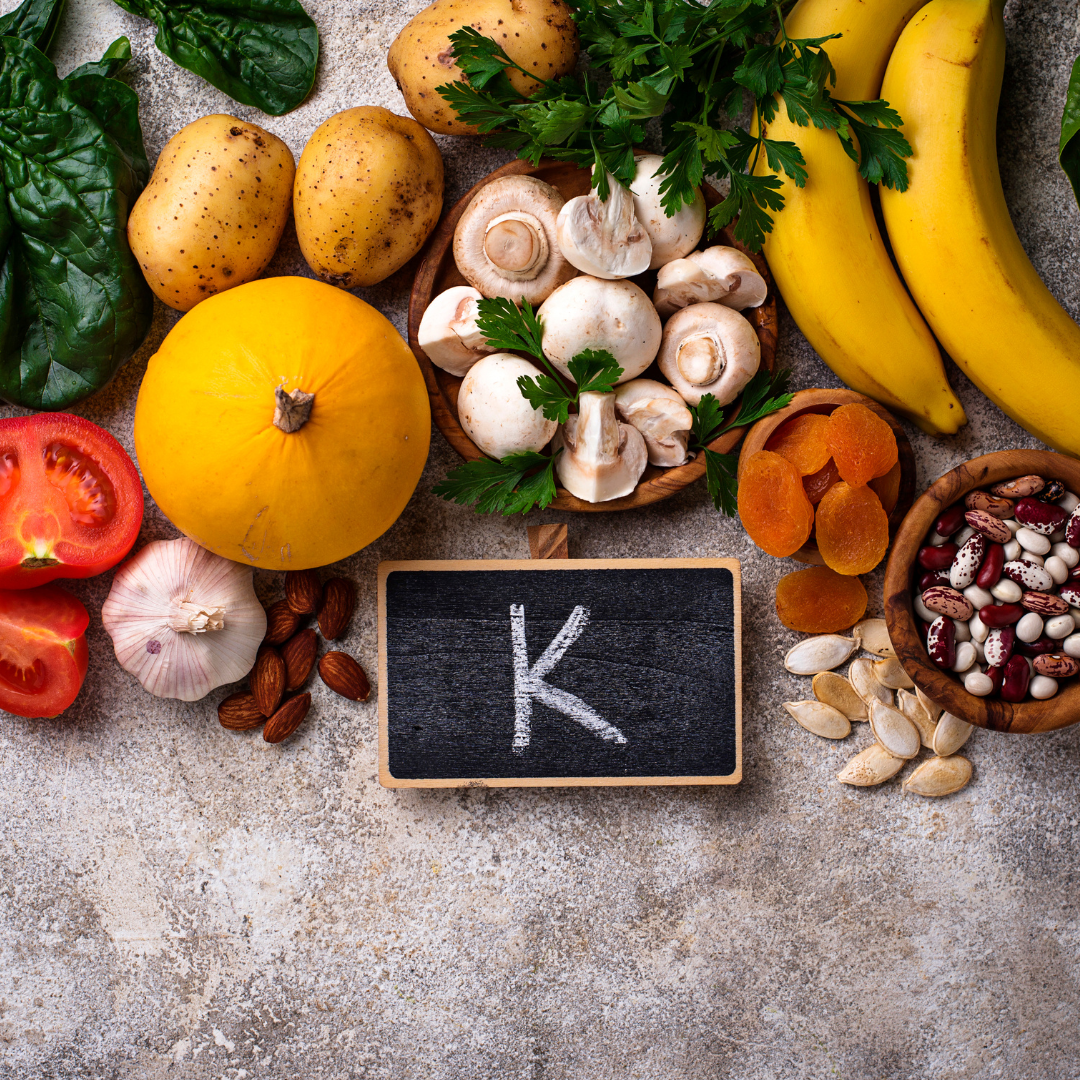

Vitamin K is an essential nutrient that plays an important role in many biological processes. Although it is most often associated with proper blood clotting, its functions significantly go beyond that. Vitamin K also participates in bone metabolic processes and can affect the health of the cardiovascular system. In this article, we will look closer to the various functions of vitamin K and its importance for health.
Vitamin K - role in the body
Vitamin K is an indispensable nutrient that plays an important role in blood coagulation processes, bone metabolism and in the functioning of blood vessels. Occurs in two main forms: K1 (Filochinon) and K2 (Menachinon), which differ in the source of origin and biological function.Blood clotting
In blood clotting, vitamin K acts as an enzymatic cofactor. It is necessary for the synthesis of plasma proteins, such as prothrombin and factors II, VII, IX and X, which participate in the coagulation cascade. Vitamin K deficiency can lead to serious hemostasis disorders, which threatens the risk of external and internal bleeding.Bone metabolism
Vitamin K affects bone health by activating a protein called osteocalcine, which binds calcium in the bones. Regular supplementation with vitamin K can counteract osteoporosis, especially among the elderly. Studies show that people with an appropriate level of vitamin K have higher bone mineral density indicators.Vascular functions
Vitamin K also plays a role in protecting blood vessels against calcification. Thanks to its presence, GLA (MGP) matrix proteins bind excess calcium, preventing it from placing blood vessels in the walls, which reduces the risk of atherosclerosis².Excess and deficiency of vitamin K - symptoms
Both excess and vitamin K deficiency can lead to various health problems.Vitamin K deficiency
Vitamin K deficiency is rare, but it may occur in the case of:- chronic liver diseases,
- fat absorption disorders (e.g. celiac disease, cystic fibrosis),
- improper diet.
- nose bleeding, gums,
- hematuria,
- prolonged bleeding from wounds,
- skin ecchymosis,
- In newborns - bleeding within the skull (intra -headed hemorrhage) ³.
Excess vitamin K
Excess vitamin K from natural sources of diet is extremely rare. Problems may arise as a result of excessive supplementation, especially with vitamin K3 (Menadion), which is synthetic and can be toxic. Symptoms of excess include:- thrombosis,
- allergic reactions,
- liver problems.
Vitamin K - properties and contraindications
Properties
Vitamin K is not only important for coagulation and bone health processes, but also applications in other areas. Antibacterial and anti -inflammatory effects: Vitamin K can inhibit the activity of some bacteria and have anti -inflammatory effects. Support for brain function: Studies suggest that vitamin K is important for neurons health and may reduce the risk of neurodegenerative diseases⁵.Contraindications
Contraindications for the use of vitamin K supplements include: hypersensitivity to vitamin K, use of anticoagulants (e.g. warfarin), Liver diseases that can affect the metabolism of vitamin K.What does vitamin K work?
Vitamin K works multifaceted on various areas of health. Here are some of the applications of vitamin K:- Blood clotting - improves the effectiveness of the hemostasis process, preventing hemorrhage.
- Bone health - supports calcium binding in bones, which reduces the risk of osteoporosis.
- Protection of blood vessels - prevents the calcification of the vessels, protecting against atherosclerosis.
- Skin health - Used topically, it can help reduce bruises and scars.
- The health of newborns - Vitamin K is given to newborns to prevent intracranial bleeding.
Sources of vitamin K
Vitamin K can be found in many food products, which means that a balanced diet can provide it with the right amount. Vitamin K sources differ depending on the form (K1 and K2).Vitamin K1 (Filochinon)
Avoid transformations of vitamin K structures in a diet or metabolism to simplify understanding: Green deciduous vegetables: spinach, boćwina, kale, lettuce. Cross vegetables: broccoli, Brussels sprouts, cabbage.Vitamin K2 (Menachinon)
Fermented products: Natto (fermented soy), sauerkraut. Animal products: liver, egg yolks, cheese.Vitamin K supplements
In cases of deficiency or specific health needs, some may use vitamin K supplements. However, it is recommended to consult a doctor or dietitian before they start.Summary
Vitamin K plays an important role in many biochemical processes in the body, from blood clotting to bone health and protection of blood vessels. Both its deficiency and excess can lead to serious health problems, so it is important to maintain its optimal level through a balanced diet and, if necessary, supplementation. A proper understanding of the role of vitamin K and its implementation into everyday life can significantly improve the overall health and quality of life.Sources:
Booth, S. L., Suttie, J. W. (1998). Dietary Intake and Adequacy of Vitamin K. Journal of Nutrition. Schurgers, L. J., Vermeer, C. (2000). The Vitamin K - Vitamin D Paradox for Bone and Vascular Health. Archives of Biochemistry and Biophysics. Shearer, M. J. (2009). Vitamin k deficiency bleeding (vkdb) in early infanty. Blood reviews. Czubrowicz, K. (2018). The dual roles of vitamin k in health and dissease: effect of excess and deficiency. Medical Hypotheses. Ferland, G. (2012). Vitamin K and the Nervous System: An overview of its actions. Advans in Nutrition. Thijssen, H. H., Drittij-Reijnders, M.J. (1996). Vitamin K Status and Soft Tissue Calcification. Blood.
Dietician
Karolina Dobrowolska-Zrałka
doktor nauk medycznych i nauki o zdrowiu, dietetyk kliniczny Absolwentka studiów I i II stopnia na kierunku dietetyka oraz doktorantka w Szkole Doktorskiej Uniwersytetu Medycznego we Wrocławiu
Więcej artykułów autoraLooking for a nutritious and filling meal?
Discover Supersonic Smart Meal! A nutritious meal you can prepare in seconds!

150 reviews


