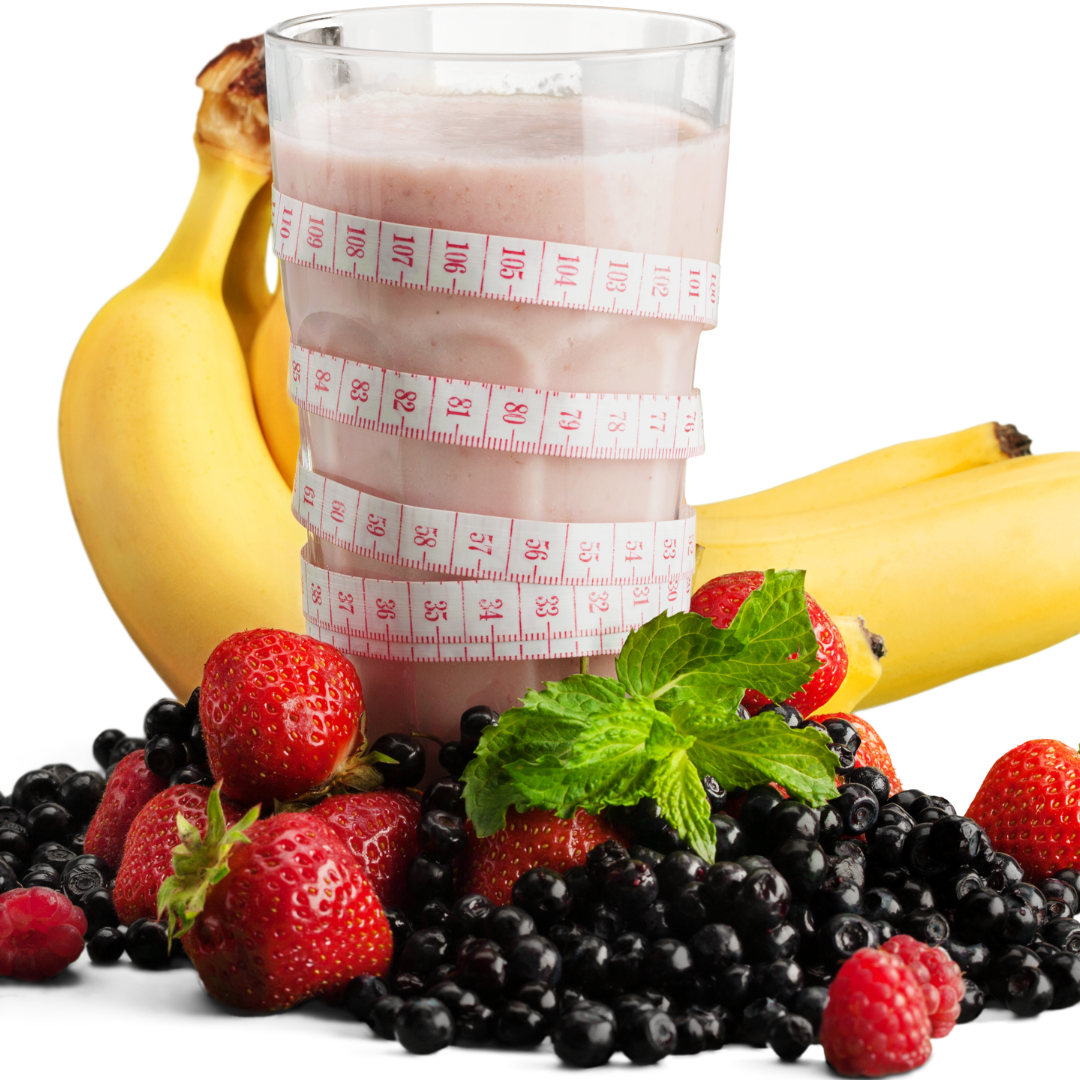

In today's busy world, controlling our eating habits can be a challenge. Everyday rush, professional pressure and a wide selection of available, but often unhealthy food products make it easy to forget about the basics of a healthy lifestyle. That's why it's worth taking a moment to understand what healthy eating is and how we can introduce it into our daily lives.
What is healthy eating?
Healthy eating is a way of eating that provides the body with all the necessary nutrients in appropriate amounts and proportions. Paying attention to the products you eat contributes to maintaining good health, preventing disease and ensuring optimal functioning of the body. A healthy diet should be varied, balanced and tailored to the individual needs of each person.Healthy eating for children and adults
Both children and adults should strive to eat healthily, but nutritional needs may vary depending on age. Children need the right amount of calories and nutrients for proper growth and development. The diet should be rich in protein, calcium, vitamins and healthy fats. It is recommended to regularly eat vegetables, fruit, whole grain products, dairy products and protein sources such as meat, fish, eggs and legumes. Parents should avoid giving children excessive amounts of sugar and salt, as well as trans and saturated fats. For adults, a healthy diet is equally important but may need to be adjusted depending on lifestyle, physical activity level and health status. Adults are recommended to eat a variety of foods that provide essential vitamins, minerals and other nutrients. Staying adequately hydrated, limiting alcohol consumption, and avoiding processed foods and saturated fats is key to maintaining health. Eating healthy meals regularly and maintaining a balanced diet can contribute to long-term physical and mental well-being in both children and adults.Healthy eating and well-being
Healthy eating has a significant impact on your overall well-being, both physical and mental. A balanced diet, rich in nutritious nutrients, can significantly improve energy levels, concentration and the functioning of the nervous system. Eating adequate amounts of protein, B vitamins, magnesium and omega-3s support brain health and may help reduce symptoms of depression and anxiety. Regularly eating meals that stabilize blood sugar levels helps maintain emotional balance and prevents sudden mood swings. Avoiding processed foods, simple sugars and trans fats can help reduce feelings of fatigue and lethargy. However, hydrating the body by drinking the right amount of water improves cognitive functions and general well-being. A healthy diet not only supports physical health, but also mental health, which allows you to better cope with stress and improve your quality of life.Healthy eating and the food pyramid
The food pyramid is a graphic representation of the principles of healthy eating, helping in planning a balanced diet. Based on it, you can easily understand which food groups should dominate in your daily menu and which should be eaten in moderation. The base of the pyramid are whole grain products, such as bread, rice, pasta and groats, which provide energy, fiber and numerous vitamins and minerals. The second level of the pyramid includes vegetables and fruits, the consumption of which should be as high as possible, due to their wealth in vitamins, minerals, antioxidants and fiber. The next level is protein sources, such as lean meat, fish, eggs, legumes and dairy products that are necessary for the construction and regeneration of tissues and the functioning of the immune system. Fat should be reduced - especially saturated and trans - as well as added sugars and salt that are located at the top of the pyramid. Fats should come mainly from vegetable oils, nuts and fish.Healthy eating - what to eat and what not?
Healthy eating is based on the choice of appropriate food products that provide our body with the necessary nutrients, while minimizing the consumption of those that may harm health.Recommended products
Vegetables and fruits are rich in vitamins, minerals and fiber, and their consumption should be at least 5 portions per day. Whole grain cereal products, such as brown rice, whole grain bread and pasta, help maintain stable blood sugar levels. Proteins, including lean meat, fish, eggs, legumes and tofu, are necessary for tissue structure and regeneration. Dairy, which includes milk, yogurt and cheese, is a source of calcium and vitamin D. Healthy fats, such as olive oil, avocado, vegetable oils, nuts and seeds support the brain and heart.Products to be restricted
Consumption of sugars, such as sweets and carbonated drinks, should be limited because they cause blood sugar jumps and can lead to obesity. Salt should also be consumed in moderation, because its excessive consumption can lead to hypertension. Trans and saturated fats, which are present in fast food and processed products, should also be avoided because they increase the risk of heart disease. Compliance with these recommendations will help maintain a healthy lifestyle and reduce the risk of many diseases.Healthy eating - recipes for delicious and healthy dishes
Quinoa salad and vegetables
Ingredients- quinoa
- tomato
- cucumber
- pepper
- onion
- olive oil
- lemon juice
Baked salmon with vegetables
Ingredients- salmon fillet
- broccoli
- carrot
- olive oil
- herbs
Healthy nutrition - a menu for 7 days
When planning your menu for the whole week, it is worth taking into account various products that will provide everything that our body needs. Monday You can start with a nutritious breakfast consisting of fruit porridge, prepare grilled chicken with millet and vegetables for dinner, and finish the dinner with a salad of fresh vegetables and tofu. On Tuesday For breakfast, smoothie with banana, spinach and almonds will be perfect, for dinner soup cream from tomatoes and whole grain pasta, and for dinner sandwich with whole -grain bread with avocado and egg. On Wednesday It is worth starting the day with whole -grain porridge with blueberries, serve a baked fish with potatoes and broccoli for dinner, and in the evening a light dinner in the form of beetroot salad, goat cheese and nuts. Thursday It's the perfect day for a healthy breakfast with natural yogurt, honey and granola, you can prepare curry with chickpeas and brown rice for dinner, and for dinner whole grains with vegetables and hummus. On Friday Try breakfast in the form of an omelette with spinach and feta cheese, prepare a grilled chicken breast with vegetables for dinner, and for dinner light curd with tomato and olive oil. Saturday Smoothie Bowl with various chia fruit and seeds may begin, whole grain pasta with pesto and salad for dinner, and end with light vegetable soup. At the end of the week, Sunday Breakfast can consist of whole grains with fruit, for dinner we offer a baked duck with beetroot and porridge, and for dinner Greek salad. By planning meals for 7 days, you will provide your body with various nutrients, and at the same time avoid monotony in your diet.Healthy products - what can not be missing in your kitchen?
Fresh and frozen vegetables as well as seasonal and frozen fruits should form the basis of your diet. It is also worth buying lean proteins, such as chicken, fish or tofu and whole grain cereal products that will provide energy for the whole day. You should not forget about healthy fats, such as olive oil and nuts, which are necessary for the proper functioning of our body. Herbs and spices are excellent additions that will not only enrich the taste of dishes, but also help health.The most important principles of healthy eating
Diversity is the basis of a healthy diet, so eat various products to provide the body with all the necessary nutrients. The regularity of meals is another important rule-eat every 3-4 hours to maintain a stable blood sugar level. Also remember about proper hydration - drink at least 1.5-2 liters of water a day. Avoid processed food and focus on natural products. Always read the labels to pay attention to the composition of food products and make conscious choices.The role of dietary supplements in healthy eating
Dietary supplements can be helpful in the case of deficiencies resulting from diet or increased demand for specific nutrients. They should always be used in consultation with a doctor or dietitian to avoid excess vitamins and minerals.Summary
Healthy eating is an investment in our health and well -being. By following the presented rules, you can enjoy better health, energy and a longer and more active life. Remember that a healthy diet is not only a matter of choosing the right products, but also the ability to combine and prepare them. Start today, and your body will thank you for that!Sources
World Health Organization. Healthy diet. American Heart Association. Dietary Recommendations for Healthy Living. National Health Service. Eat Well.
Dietician
Karolina Dobrowolska-Zrałka
doktor nauk medycznych i nauki o zdrowiu, dietetyk kliniczny Absolwentka studiów I i II stopnia na kierunku dietetyka oraz doktorantka w Szkole Doktorskiej Uniwersytetu Medycznego we Wrocławiu
Więcej artykułów autoraLooking for a nutritious and filling meal?
Discover Supersonic Smart Meal! A nutritious meal you can prepare in seconds!

150 reviews


