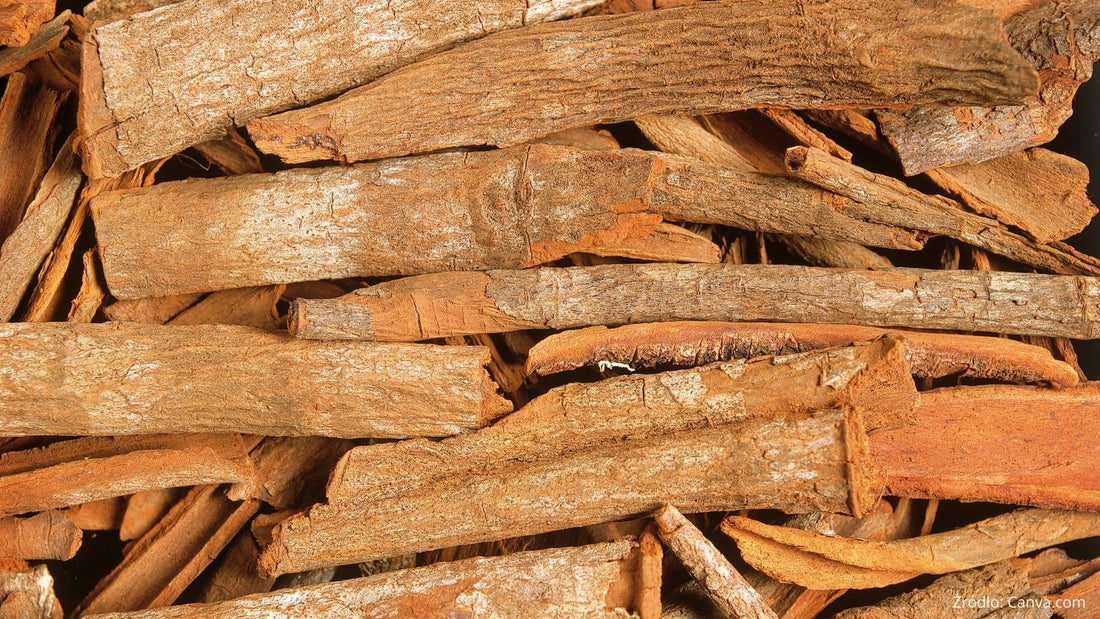

Chinina is one of the oldest and most famous medicines of plant origin, used for centuries in the fight against malaria. Acquired from the bark of China (Cinchon), for a long time it was the only effective anti -paralysis available to humanity. Although nowadays her role in the treatment of this disease has been limited by the development of modern drugs, Chinin is still used not only in medicine, but also in the food industry, e.g. as a component of a tonic. Therefore, it is worth taking a closer look at the properties of this substance, understand its action and potential side effects, as well as learn the controversy related to its use.
Chinina - what is it and how does it work?
Chinina is an alkaloid derived from the cinchon tree bark, which grows mainly in the regions of South America. This substance has anti -paralysis, which makes it one of the most important discoveries in the history of tropical medicine. Chinina works by inhibiting the replication of Plasmodium parasites, responsible for the development of malaria, in red blood cells, which effectively prevents the spread of infection in the body. In addition, Chinin has antipyretic, analgesic and anti -inflammatory effects, which has contributed to its wide use in various fields of medicine, not only as an anti -alarical drug, but also in the treatment of muscle spasms and some rheumatic diseases. It is also worth noting that Chinina is one of the main ingredients of popular drinks, such as tonic, which further emphasizes its various applications in everyday life. However, despite its advantages, the use of chinin requires caution due to the possibility of side effects, especially with prolonged use.Chinina - what are its properties and potential health benefits?
Chinina, in addition to its main use in the treatment of malaria, also has other properties that can bring health benefits. Its antipyretic effect means that it was used to relieve fever symptoms in various infectious diseases, which made her a valuable drug at a time when access to modern pharmaceuticals was limited. In addition, due to its anti -inflammatory properties, Chinina was used to treat rheumatism and muscle pain, bringing relief to patients suffering from chronic pain. In folk medicine, it was also used as a remedy for muscle spasms, which found its place in the therapy of the restless leg syndrome, helping people struggling with this troublesome condition. It is also worth mentioning that Chinina has some antibacterial and antiviral properties, which means that in the past it was used as a supportive agent in the treatment of various infections. Despite the wide spectrum of action, the use of Chinin should be well controlled due to the potential side effects that may occur with its long -term use.Side effects related to Chinin - what can they occur and how to deal with them?
Despite the numerous benefits, Chinina can cause a number of side effects that sometimes limit its use. The most common side effects include digestive system disorders such as nausea, vomiting and diarrhea, which can significantly affect the patient's comfort. In some cases, the use of Chinin can lead to more serious problems, such as arrhythmias (arrhythmias), which can pose a threat to life, especially in people with existing cardiological diseases. In addition, some patients may occur allergic reactions, manifested in rash, itching, and in extreme cases anaphylaxis. People with kidney or heart failure should be particularly careful when using it, because Chinina can worsen their health, leading to exacerbation of symptoms. To minimize the risk, it is recommended to use chinin only under doctor control, especially in the case of long -term treatment, and regular monitoring of the patient's health to react quickly to any side effects.Chinina in pregnancy - safety of use and recommendations for future mothers
The safety of the use of chinin during pregnancy is a controversial issue, because although this drug was used to treat pregnant women with malaria, its use is associated with significant risk. Chinin can penetrate the placenta, which potentially affects the fetus, and the high doses of this alkaloid can lead to pregnancy complications, including increased risk of miscarriages, premature contractions, and even fetal hearing damage. For this reason, the use of Chinin during pregnancy should be limited only to situations in which therapeutic benefits exceed the potential risk, for example in the case of severe, life -threatening cases of malaria, where alternative treatment methods are insufficient. Future mothers should always consult a doctor before China therapy, and treatment should be strictly monitored to ensure the safety of both mother and developing child. It is also important to avoid chinin independently without proper medical care, due to potential threats.Chinina - is she healthy? Review of controversy and risk assessment
Chinina, despite its undoubted advantages, is a substance whose use raises some controversy, especially in the context of its presence in popular drinks such as tonic. Although in small doses, present in drinks, Chinina is usually safe, its consumption in large quantities or through people with specific diseases can lead to unexpected side effects. They may include digestive system disorders, as well as more serious problems, such as arrhythmias. In the case of people taking Chinina as a medicine, especially in malaria therapy, the risk of complications may increase with prolonged use. Therefore, although Chinina has its place in medicine and in the food industry, it is always worth considering whether her health benefits exceed the potential risk and apply it in moderation. Awareness of possible side effects and consultation with a doctor before starting therapy or regular consumption of products containing chinin is important for safety.Summary
Chinina is a substance with a rich history and versatile action that played an important role in the fight against malaria. Its healing properties are still used, although modern studies indicate the need for caution when using it, especially in the context of side effects. Chinina can bring health benefits, but its use should always be carefully thought out and monitored by specialists, especially in the case of people with contraindications and pregnant women.Sources
Greenwood, D., et al. "Quinine and the Cinchona Alkaloids: Historical Introduction." Antimalarial Chemotherapy, Springer, 2002. White, N. J. "The Treatment of Malaria." The New England Journal of Medicine, vol. 335, no. 11, 1996, pp. 800-806. "Quinine: Past and Present Uses." Journal of the American Medical Association, vol. 276, no. 19, 1996, pp. 1591-1597. "Chinina - use, dosage and side effects." Medonet, www.medonet.pl. Accessed August 2024. Miller, L. H., et al. "The Mechanism of Quinine Action on the Malarial Parasite, Plasmodium Falciparum." The Journal of Clinical Investigation, vol. 59, no. 4, 1977, pp. 722-732.
Dietician
Karolina Dobrowolska-Zrałka
doktor nauk medycznych i nauki o zdrowiu, dietetyk kliniczny Absolwentka studiów I i II stopnia na kierunku dietetyka oraz doktorantka w Szkole Doktorskiej Uniwersytetu Medycznego we Wrocławiu
Więcej artykułów autoraLooking for a nutritious and filling meal?
Discover Supersonic Smart Meal! A nutritious meal you can prepare in seconds!

150 reviews
![Ranking kreatyny [2026] - TOP 10 produktów, które warto znać](http://supersonicfood.com/cdn/shop/articles/kreatyna-ranking_c1a64d3a-0854-4df3-8a54-c034300baab7.jpg?format=webp&v=1786623654&width=1100 "Ranking kreatyny [2026] - TOP 10 produktów, które warto znać")


