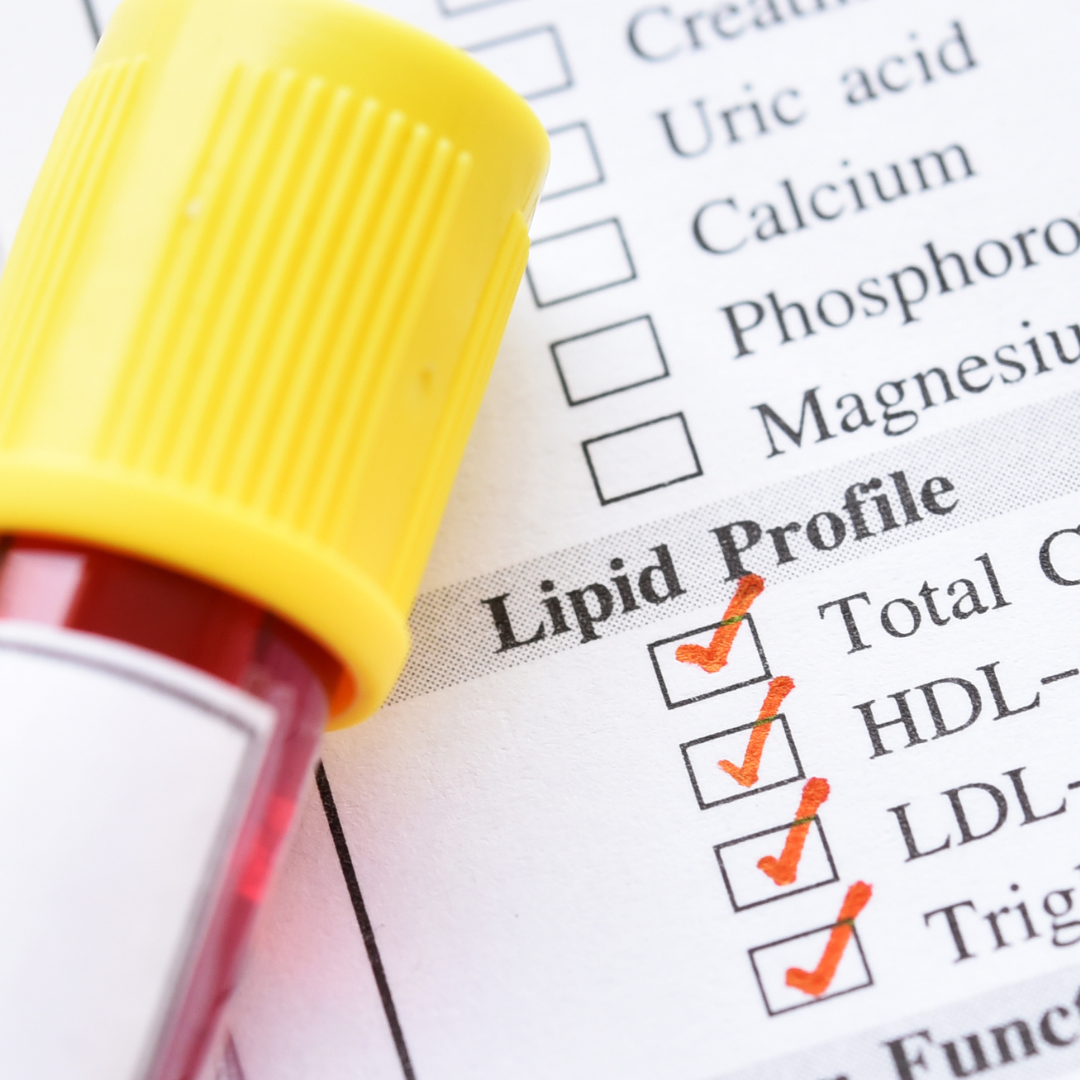

Cholesterol is an essential component of all cells in our body, but its excess can lead to serious health problems, such as atherosclerosis and cardiovascular disease. Regular monitoring of cholesterol is important for early detection and prevention of these diseases. Lipidogram is a comprehensive study that provides a full image of the body's lipid balance, enabling the risk assessment and undertaking appropriate preventive measures.
What cholesterol test? Lipidogram!
Lipidogram is a basic blood test that is assessed by the patient's lipid profile, i.e. the level of different cholesterol and triglycerides fractions. Cholesterol is an essential component of the body's cells, but its excess, especially in the form of "bad" LDL cholesterol, can lead to serious diseases such as atherosclerosis, coronary artery disease or heart attack. That is why a regular lipidogram examination is important in monitoring health, especially in people with risk factors for cardiovascular diseases.What is a lipidogram?
Lipidogram is a comprehensive blood test that measures the four main lipid parameters:- Total cholesterol
- LDL cholesterol (low-density lipoprotein)
- HDL cholesterol (high-density lipoprotein)
- Triglycerides
Lipidogram - preparation for the test
To make the results of the lipidogram credible, it is important to prepare properly for the test. Here are some recommendations:1. Fasting on an empty stomach
It is best to perform a lipidogram after at least 8-12 hours from the last meal. During this time you can drink water, but avoid other drinks.2. Alcohol and fatty meals
A few days before the test, you should avoid eating alcohol and heavy, fatty meals that can falsify the results.3. Formal physical activity
Before the examination, avoid intensive physical effort, which can temporarily change the level of lipids in the blood.4. Last medicines
Consult a doctor if the drugs taken may affect the results of the examination and whether they should be temporarily discontinued.Lipidogram - cholesterol fractions
Lipidogram results include several parameters that should be thoroughly understood:Total cholesterol
It is a sum of cholesterol contained in all blood lipoproteins. High level of total cholesterol may indicate the risk of cardiovascular disease.LDL cholesterol
Known as "bad" cholesterol, LDL transports cholesterol to tissues, including walls of blood vessels, which can lead to the formation of atherosclerotic plaque.HDL cholesterol
Known as "good" cholesterol, HDL removes excess cholesterol from tissues and transports it back to the liver, where it is metabolized.Triglycerides
They are the main type of fat in the body. The high level of triglycerides combined with low HDL or high LDL levels increases the risk of heart disease.HDL cholesterol
HDL cholesterol (high-density lipoprotein) is considered "good" cholesterol because it helps to remove excess cholesterol from blood and tissue, transporting it to the liver, where it is metabolized. The high level of HDL is beneficial and is associated with a lower risk of cardiovascular disease.HDL cholesterol standards:
- For men: over 40 mg/dl (1.0 mmol/l)
- For women: over 50 mg/dl (1.3 mmol/l)
LDL cholesterol
LDL cholesterol (low-density lipoprotein) is referred to as "bad" cholesterol because it transports cholesterol to cells, including to the walls of blood vessels, which can lead to atherosclerotic plaques. High LDL is associated with a higher risk of cardiovascular disease.LDL cholesterol standards:
- Optimum: below 100 mg/dl (2.6 mmol/l)
- Almost optimal: 100-129 mg/dl (2.6-3.3 mmol/l)
- Tall: 160-189 mg/dl (4.1-4.9 mmol/l)
- Very high: over 190 mg/dl (4.9 mmol/l)
Lipidogram - standards
Lipidogram standards may vary depending on the individual risk factors of the patient, such as age, gender, the presence of comorbidities and the history of cardiovascular disease in the family.Lipidogram standards:
- Total cholesterol: <200 mg/dl (5.2 mmol/l)
- LDL cholesterol: <100 mg/dl (2.6 mmol/l)
- HDL cholesterol: > 40 mg/dl (1.0 mmol/l) for men,> 50 mg/dl (1.3 mmol/l) for women
- Triglycerides: <150 mg/dl (1.7 mmol/l)
Lipidogram - interpretation of the results
The interpretation of the lipidogram results should include the patient's full lipid profile and his individual risk factors.Examples of interpretation of results
- High LDL and triglycerides, low HDL levels: It indicates a high risk of atherosclerosis and heart disease. Recommended change of diet, increasing physical activity and possible pharmacotherapy.
- High HDL level and low LDL level: The desired lipid profile, indicating a low risk of cardiovascular disease.
- Increased total cholesterol for LDL and HDL standards: It may indicate an increased level of triglycerides or other cholesterol fractions.
How to maintain a healthy cholesterol level?
Maintaining a healthy cholesterol levels requires a balanced diet, regular physical activity and a healthy lifestyle. Here are some practical tips:1. Directa rich in fiber
Eating whole grains, fruits, vegetables and legumes helps to lower LDL levels.2. Unsaturated
Include unsaturated fats in the diet, such as olive oil, rapeseed oil, avocado, nuts and seeds.3. Association of saturated and trans fats
Avoid saturated and trans fats that increase LDL and triglycerides.4. Crehandly physical activity
Aerobic exercises, such as walking, running, swimming or cycling, help increase HDL and lower LDL.5. Tobacco smoking and excessive alcohol consumption
Smoking reduces HDL levels, and excessive alcohol consumption increases triglycerides.Summary
Lipidogram is an essential tool in diagnostics and monitoring of health, especially in the context of cardiovascular diseases. Regular research, healthy diet and physical activity are important for maintaining healthy cholesterol and minimizing the risk of health complications.Sources
National Institutes of Health. "High blood cholesterol: What you need to know." American Heart Association. "Understanding your cholesterol levels." Mayo Clinic. "Cholesterol test (
Dietician
Karolina Dobrowolska-Zrałka
doktor nauk medycznych i nauki o zdrowiu, dietetyk kliniczny Absolwentka studiów I i II stopnia na kierunku dietetyka oraz doktorantka w Szkole Doktorskiej Uniwersytetu Medycznego we Wrocławiu
Więcej artykułów autoraLooking for a nutritious and filling meal?
Discover Supersonic Smart Meal! A nutritious meal you can prepare in seconds!

150 reviews


