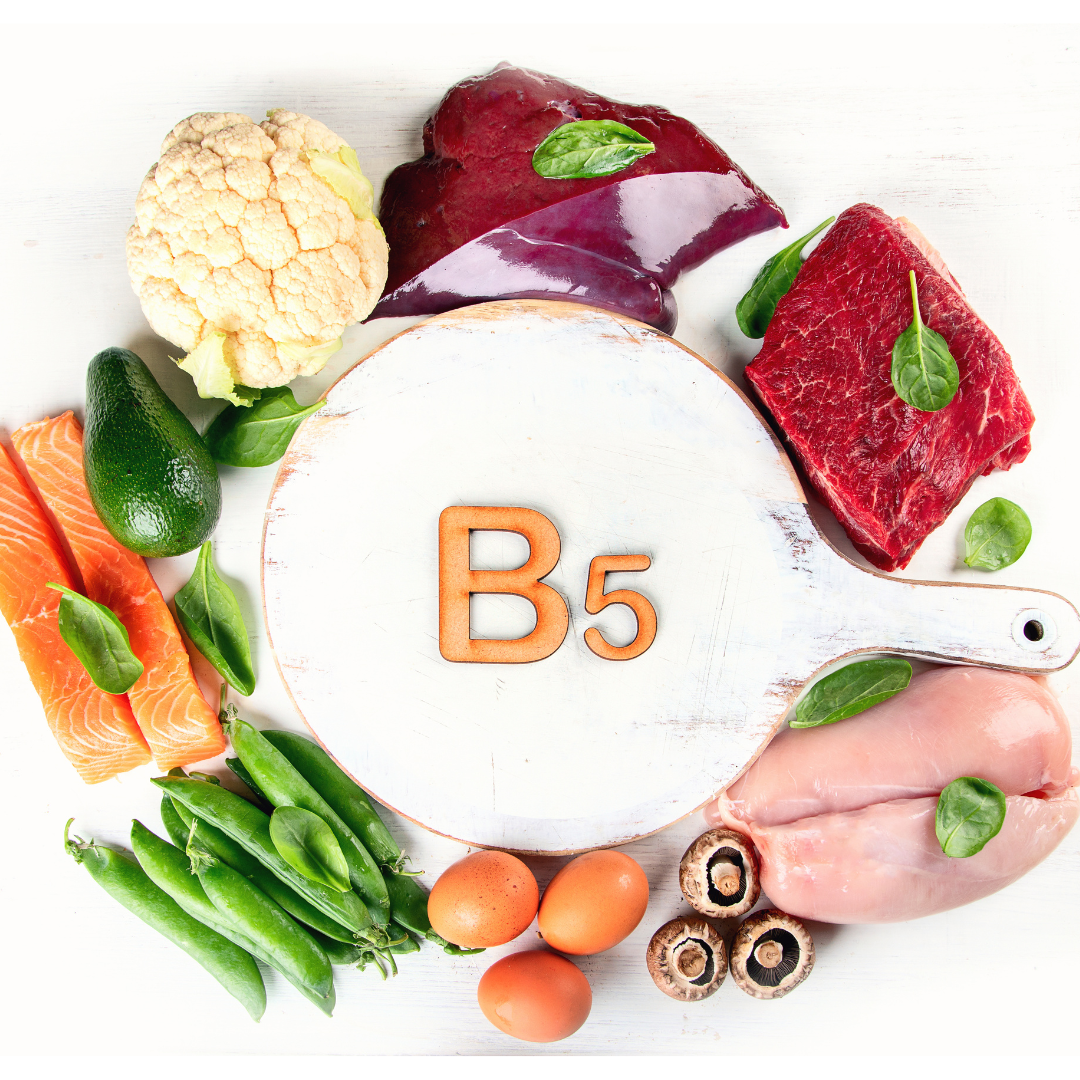

Vitamin B5, also known as pantothenic acid, is an essential ingredient for the proper functioning of the body. He participates in metabolic processes, which are crucial for energy production and hormone and cholesterol synthesis. In addition, it contributes to maintaining healthy skin, supporting its regeneration and hydration.
Vitamin B5, pantothenic acid - what is it? Properties and role in the body
Vitamin B5, also known as pantothenic acid, is water -soluble vitamin, belonging to the vitamin B complex. It is a key element of coenzyme A (COA), which is necessary for many biochemical reactions, including in the metabolism of carbohydrates, fats and proteins. Its name comes from the Greek word "pantos", which means "everywhere", which reflects its wide occurrence in various food products. Pantothenic acid is characterized by versatile biological properties. Participates in the Krebs cycle, a key metabolic process that provides energy to the cells of the body. In addition, vitamin B5 plays an important role in the synthesis of steroid hormones, neurotransmitters and hem, a component of hemoglobin.Pantothenic acid - action
The effect of pantothenic acid is multi -faceted. First of all, it is included in the coenzyme A, which is necessary to conduct acetyl reaction, i.e. the transfer of acetyl groups. Thanks to this, vitamin B5 is involved in metabolism, enabling effective obtaining energy from macronutrients.- Energy metabolism: Vitamin B5 participates in the distribution of carbohydrates for glucose, which is crucial for providing energy necessary for the functioning of cells.
- Lipid synthesis: Pantothenic acid is involved in the biosynthesis of fatty acids and their degradation.
- Hormone synthesis: Facilitates the creation of steroid hormones such as cortisol, which plays a role in the body's response to stress.
- Skin health: Pantothenic acid has a positive effect on the condition of the skin, supporting its regeneration and wound healing. It also contributes to maintaining proper skin hydration.
Where is vitamin B5?
Vitamin B5 occurs naturally in many food products. Below is a list of sources rich in this vitamin:- Animal products: liver, poultry, eggs.
- Plant products: avocado, broccoli, potatoes, whole grain cereals, legumes.
- Other sources: Beer yeast, milk, dairy products.
Vitamin B5 - what is the best?
Choosing the right form of vitamin B5 for supplementation can affect its absorption and efficiency. The most common forms of supplements are d-pantotenol and calcium D-Pantotenate. Both compounds are well absorbed by the body, but calcium d-pantotenate is more stable and more often used in dietary supplements. For people thinking about supplementation, it is recommended to choose preparations with high bioavailability and derived from proven manufacturers.Deficiency and excess vitamin B5
Although vitamin B5 deficiency is rare, it can lead to a number of symptoms such as fatigue, irritability, sleep problems, digestive disorders and burning feet. In turn, excess vitamin B5 is not toxic and usually excess is excreted in urine, but in rare cases it can lead to diarrhea or water retention in the body.Vitamin B5 - dosage
The recommended daily dose of vitamin B5 varies depending on age, sex and health. The average demand for adults is about 5 mg per day. For children, the demand is from 2 mg to 5 mg, depending on age. Pregnant women should take about 6 mg and feeding mothers about 7 mg per day. Because vitamin B5 is water soluble, excess is usually excreted in urine, which reduces the risk of toxicity, but it is always worth consulting the dosage with a doctor or dietitian, especially with supplementation.Summary
Vitamin B5, or pantothenic acid, has many key functions in the body, from the regulation of energy metabolism to skin health support. The rich sources of this vitamin are both animal and plant products. In the case of supplementation, it is important to choose products with high bioavailability. To ensure an adequate level of vitamin B5, it is worth taking care of a balanced diet rich in various food products.Sources
I. Olson, "Pantothenic Acid," from the book "Encyclopedia of Human Nutrition," Academic Press, 2012. G.E. Rivlin, "Vitamin B5 (Pantothenic Acid)," From the book "The Vitamins: Fundamental Aspects in Nutrition and Health," Elsevier, 2012. M.F. McDowell, "An update on Vitamins," Journal of Nutrition and Metabolism, 2018.
Dietician
Karolina Dobrowolska-Zrałka
doctor of medical sciences and health sciences, clinical dietitian A graduate of first and second cycle studies in dietetics and a doctoral student at the Doctoral School Medical University of Wrocław
Więcej artykułów autoraLooking for a nutritious and filling meal?
Discover Supersonic Smart Meal! A nutritious meal you can prepare in seconds!

5| 193 reviews


