
Dietician
Stress accompanies us every day and is the body's response to various challenges and threats. Although in moderate doses it can have a motivating effect, its chronic form has many negative health effects, including effects on the cardiovascular system. One important area affected by stress is the level of cholesterol and triglycerides in the blood. In this article, we will look at how stress can affect these lipid parameters, the mechanisms behind this effect, and how to effectively manage stress to protect heart health.
High cholesterol and stress - how can stress affect cholesterol levels?
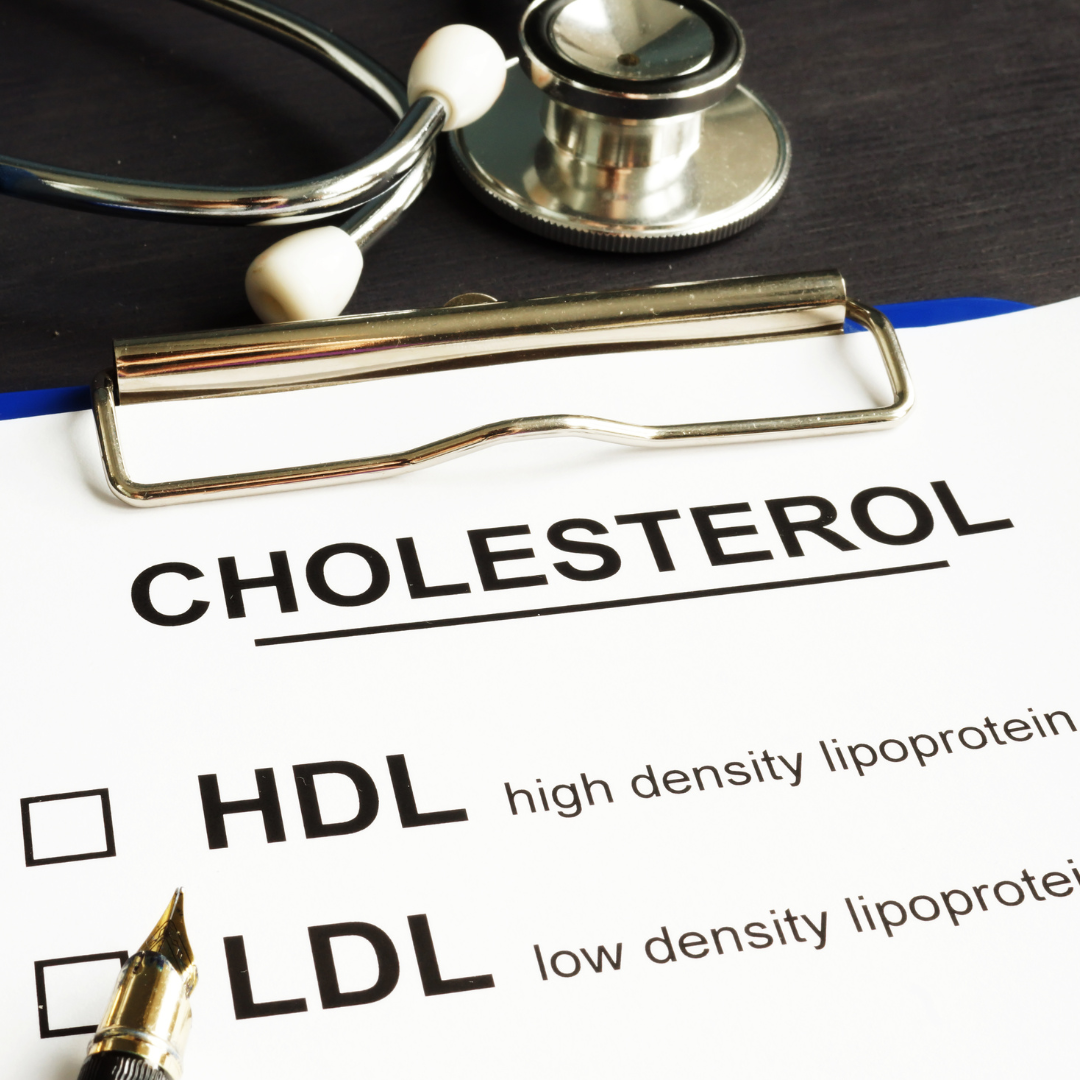
Stress, especially chronic stress, can significantly affect blood cholesterol levels. The main mechanism by which stress affects cholesterol levels is the activation of the hypothalamic-pituitary-adrenal axis (HPA axis). In response to stress, the body increases the production of cortisol, a stress hormone that plays an important role in regulating fat and glucose metabolism. Increased cortisol levels lead to increased lipolysis, i.e. the breakdown of fats, which results in an increase in the concentration of free fatty acids in the blood. These acids are then converted in the liver into low-density lipoprotein (LDL), commonly known as "bad" cholesterol. High LDL levels are one of the main risk factors for atherosclerosis, heart disease and stroke. Additionally, stress can also lower levels of high-density lipoprotein (HDL), known as "good" cholesterol, which helps remove excess cholesterol from the blood and protects blood vessels from damage. A decrease in HDL levels combined with an increase in LDL creates an unfavorable lipid profile, increasing the risk of cardiovascular disease.Cholesterol and stress - relationships between stress and lipid profiles
Research shows that there is a clear link between stress and lipid profiles. People exposed to chronic stress tend to have higher levels of total cholesterol, LDL and triglycerides and lower levels of HDL compared to people who can effectively manage stress. These mechanisms can be explained in part by the body's physiological response to stress, but also by the behavioral changes that often accompany stress. Stressed people tend to engage in unhealthy habits such as poor diet, lack of regular physical activity, smoking and excessive alcohol consumption. All these factors further worsen the lipid profile. It is worth emphasizing that not only chronic stress has a negative impact on cholesterol levels. Even short-term but intense stressful situations can lead to a temporary increase in cholesterol levels, which in the case of frequent episodes of stress may result in chronic changes in lipid profiles.High triglycerides and stress - can stress affect triglyceride levels?
Triglycerides are another important lipid marker that may be elevated as a result of stress. Triglycerides are the main form of fat stored in the body and their level in the blood is closely related to energy metabolism. In stressful situations, the body mobilizes energy reserves, which may lead to an increase in the concentration of triglycerides in the blood. As in the case of cholesterol, this mechanism is related to the action of cortisol, which stimulates the breakdown of fats and also affects the increased production of glucose by the liver. Excess glucose can be converted into triglycerides, which are then transported to fat tissue. Increased levels of triglycerides are a strong risk factor for atherosclerosis and other cardiovascular diseases. People with high levels of triglycerides are more exposed to the development of a metabolic syndrome, which also includes insulin resistance, hypertension and abdominal obesity. All these elements make up a higher risk of heart attack and stroke.Does stress increase cholesterol? Research and scientific evidence
Over the years, numerous studies have been conducted to understand how stress affects cholesterol. Most of these studies confirm that stress, especially chronic, has a significant impact on the lipid profile, leading to an increase in LDL, triglycerides and HDL lowering. One study in this field is the work published in the Psychosomatic Medicine magazine, which showed that people subjected to chronic professional stress had higher levels of total and LDL cholesterol compared to people with lower stress. These studies suggest that there is a direct relationship between the level of stress and the risk of cardiovascular disease. Other studies confirm that stress also affects cholesterol levels through lifestyle changes. Chronic stress leads to habits that negatively affect heart health, such as an unhealthy diet rich in saturated fats, lack of physical activity and excessive alcohol consumption and smoking. These studies show that stress management and promoting a healthy lifestyle can be important in the prevention and treatment of dyslipidemia, i.e. an abnormal level of lipids in the blood.Is cholesterol growing from stress?
Understanding the mechanisms through which stress increases cholesterol is important for developing effective heart health management strategies. As previously mentioned, one of the main mechanisms is the influence of cortisol on fat metabolism. However, there are other factors that can contribute to an increase in cholesterol in response to stress. First of all, stress affects the autonomous system, leading to an increase in sympathetic activity, which in turn can contribute to an increase in blood pressure and an increased risk of developing atherosclerosis. High blood pressure can damage blood vessels, which promotes cholesterol accumulation in the arteries walls. Secondly, stress can lead to increased VLDL (very low density lipoproteins) by the liver. VLDL is a precursor of LDL and their excess contributes to an increase in the level of "bad" blood cholesterol. Thirdly, stress affects the functioning of the liver and digestive processes, which can lead to disorders in fat metabolism and their incorrect decomposition. Prolonged stress may also disturb the hormonal balance, including insulin levels, which further complicates the regulation of cholesterol and triglycerides. To minimize the negative impact of stress on cholesterol, it is important to focus on stress management and a healthy lifestyle. Regular physical activity, healthy diet, relaxation techniques and the right amount of sleep are important in the protection of heart health and maintaining the correct level of lipids in the blood.Summary
Stress has a significant impact on the level of cholesterol and triglycerides in the blood, which can lead to serious health problems, including cardiovascular diseases. The mechanisms through which stress affects the lipid profile include both direct physiological effects and lifestyle changes that can deteriorate these effects. Stress management and promoting healthy habits is important for maintaining healthy cholesterol and protection against heart disease. Regular lipid profile research, healthy diet, physical activity and stress reduction techniques should be an integral part of prevention and treatment of dyslipidemia.Footnotes
Rosmond, R., Dalman, M. F., & Bjorntorp, P. (1998). Stress-Related Cortisol Secretion in Men: Relationships with Abdominal Obesity and Endocrine, Metabolic, and Hemodynamic Abnormalities. Journal of Clinical Endocrinology & Metabolism, 83 (6), 1853-1859. Steptoe, A., & Brydon, L. (2005). Associations Between Acute Lipid Responses to Mental Stress and Fasting Lipid Levels 3 Years Later. Psychosomatic Medicine, 67 (6), 861-867. McEwen, B. S. (2004). Protection and damage from acute and chronic stress: allostasis and allostatic overload and relevance to the pathophysiology of psychiatric disorders. Annals of the New York Academy of Sciences, 1032, 1-7. Wardle, J., Steptoe, A., Oliver, G., & Lipssey, Z. (2000). Stress, dietary restrain and food intake. Journal of Psychosomatic Research, 48 (2), 195-202.
Dietician
Karolina Dobrowolska-Zrałka
doktor nauk medycznych i nauki o zdrowiu, dietetyk kliniczny Absolwentka studiów I i II stopnia na kierunku dietetyka oraz doktorantka w Szkole Doktorskiej Uniwersytetu Medycznego we Wrocławiu
Więcej artykułów autoraLooking for a nutritious and filling meal?
Discover Supersonic Smart Meal! A nutritious meal you can prepare in seconds!

150 reviews


