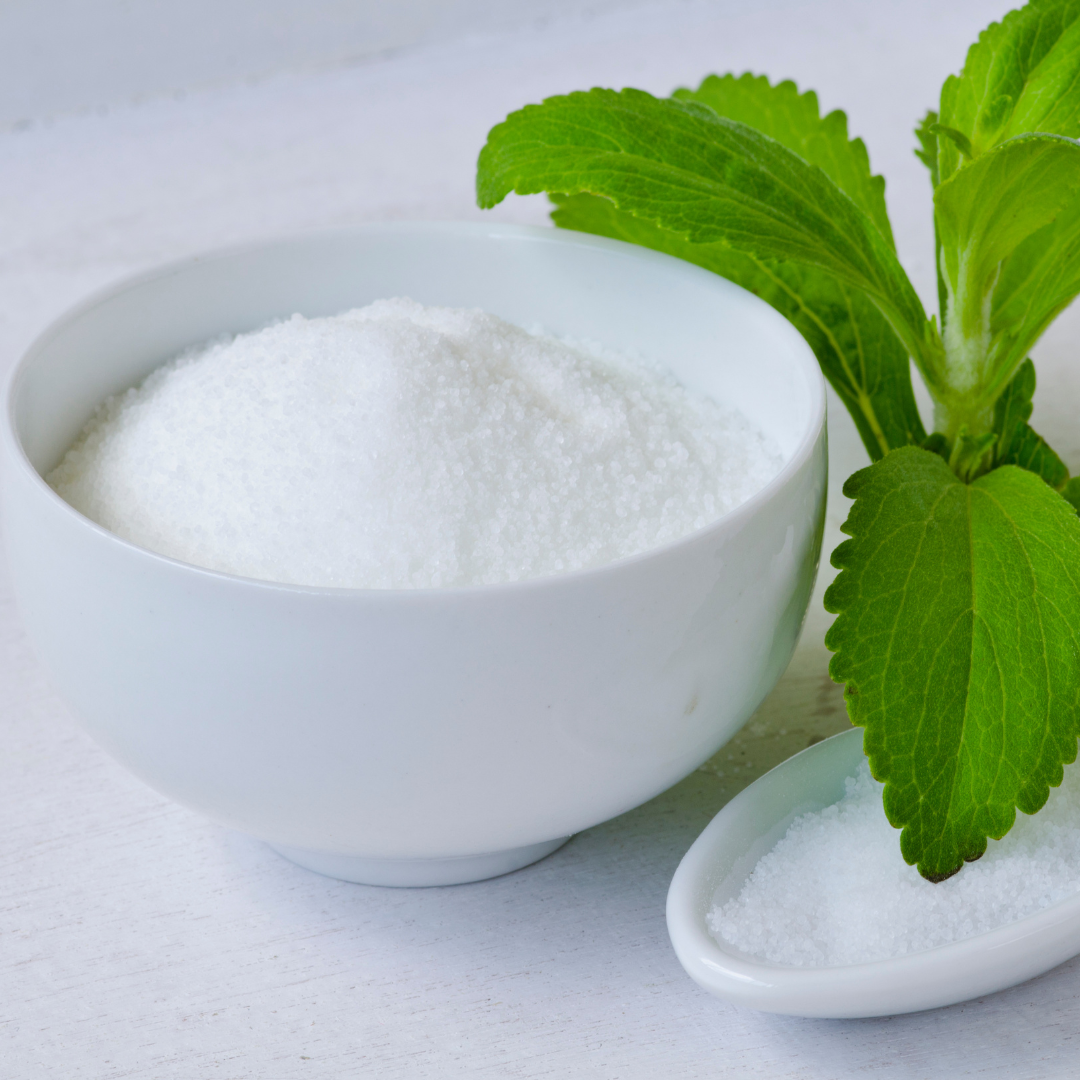

Stevia, a natural sweetener derived from the leaves of the Stevia rebaudiana plant, is becoming increasingly popular as a healthy alternative to traditional sugar. Due to its calorie-free and intense taste, it has become an attractive choice both for people who care about their weight and for diabetics who need to control their blood glucose levels. In this article, we will discuss the properties of stevia, its uses, and look at the health benefits and possible side effects associated with its consumption.
Stevia - a natural sweetener with low calories and intense flavor
Stevia is a plant that is becoming increasingly popular as a healthy alternative to traditional sugar. Its leaves contain compounds with an intense sweet taste, but no calories, which makes it an ideal choice for people who care about their figure and for those who need to control their blood sugar levels. Stevia is about 200-300 times sweeter than sucrose (ordinary sugar), which means that just a small amount is enough to give dishes a sweet taste. Natural origin and lack of artificial additives make stevia the preferred choice among people looking for natural sweeteners.Stevia or xylitol? Comparison of two popular natural sweeteners
Choosing between stevia and xylitol can be a challenge for those who want to give up traditional sugar. Both of these sweeteners have their own unique properties and uses. Stevia, as mentioned earlier, is much sweeter than sugar and completely calorie-free, which makes it ideal for people on a reducing diet and for diabetics. Xylitol, on the other hand, although it has a lower caloric value than sugar, provides a certain amount of calories and has a low glycemic index. Xylitol also has health-promoting properties, such as protection against caries. The choice between these two sweeteners depends on individual needs and preferences.What is stevia? Learn about the origin and production process of this sweetener!
Stevia (Stevia rebaudiana) is a plant originating from South America, especially from Paraguay and Brazil. Its leaves have been used by indigenous people for centuries to sweeten drinks and dishes. The compounds responsible for the sweet taste of stevia are steviol glycosides, the most important of which are stevioside and rebaudioside A. In the production process, stevia leaves are harvested, dried and then extracted to obtain pure steviol glycosides. The final product may take the form of a powder, liquid or tablets.Stevia - what are its characteristics and what is its use?
Stevia is an extremely versatile sweetener that can be used in a variety of foods and drinks. Thanks to its high heat resistance, stevia is suitable for baking and cooking, which makes it an ideal sugar substitute in recipes for cakes, cookies, and hot drinks. Stevia is available in various forms - from powder, through liquid, to tablets - which allows it to be easily adapted to various culinary needs. However, it is worth remembering that stevia has a specific, slightly bitter aftertaste, which may be noticeable in larger amounts.Is stevia healthy? Overview of benefits and possible side effects
Stevia is considered a safe and healthy sweetener that can provide numerous health benefits. First of all, due to the lack of calories, it is an excellent choice for people who are trying to lose weight and for diabetics who need to control their blood glucose levels. Additionally, research shows that stevia may have a beneficial effect on blood pressure and cholesterol levels. Still, like any product, stevia may cause some side effects, especially if consumed in excess. Some people may experience allergic reactions or digestive problems. However, overall, stevia is well tolerated and safe to use.Stevia - safety and dosage recommendations
Despite its popularity as a healthy sugar substitute, there are certain rules that should be followed to avoid potential side effects. Proper dosing of stevia is important to enjoy its benefits without unwanted effects. It is recommended not to exceed the recommended daily dose of steviol glycosides, which is 4 mg per kilogram of body weight. In practice, this means that for a person weighing 70 kg, the maximum daily dose is approximately 280 mg of steviol glycosides. It is also worth paying attention to the form in which stevia is used - some products may contain additives that affect the overall content of steviol glycosides.Stevia and dental health - how can stevia protect your teeth?
One of the unique aspects of stevia is its beneficial effects on oral health. Unlike sugar, which promotes the development of caries, stevia is not metabolized by bacteria in the oral cavity, which means it does not contribute to the formation of acids that damage tooth enamel. Moreover, research suggests that stevia may have antibacterial properties that help fight pathogens in the mouth, contributing to the overall health of teeth and gums. This makes stevia an excellent choice for people who care about their dental health, especially those who are prone to tooth decay.Stevia and diabetes - why is stevia a good choice for diabetics?
Stevia is especially recommended for people with diabetes because it does not increase blood glucose levels. Research shows that stevia may even support pancreatic function and improve insulin sensitivity, which is important for people with type 2 diabetes. Not only does stevia provide a safe alternative to sugar, but it may also play a role in managing blood sugar levels. However, it is important that people with diabetes consult their doctor before adding stevia to their diet to make sure it is appropriate for their individual health needs.Use of stevia in different cultures - traditional and modern use of stevia
Stevia has been used by indigenous peoples of South America for hundreds of years, mainly as a sweetener for drinks and foods, but also as a medicinal agent. In Paraguay, where stevia is especially popular, it has traditionally been used to treat heartburn and other stomach ailments. Nowadays, stevia has gained global recognition and is used all over the world, both in home cooking and in the food industry. In Japan, stevia became popular in the 1970s as a safe and natural sweetener used in food products such as soft drinks, desserts and fruit preserves.Stevia in the food industry - how is stevia changing the food market?
In recent years, stevia has become an important ingredient in many food products, especially those aimed at health-conscious consumers. Food companies are increasingly replacing sugar with stevia to create products that are lower in calories but retain a sweet taste. Stevia is commonly used in soft drinks, yogurts, cereal bars and many other products that previously contained sugar. Thanks to its unique properties, stevia not only helps reduce the amount of sugar in the diet, but also contributes to reducing the caloric value of products, which is important in the fight against obesity and metabolic diseases.Summary
Stevia is a unique sweetener that offers many health benefits, especially for people who care about the line and for diabetics. Its natural origin, lack of calories and numerous health -promoting properties make it an excellent alternative to traditional sugar. Although Stevia is generally considered safe, like any product, it should be used in moderation. The choice of stevia as a sugar substitute can bring many health benefits, provided that it is used in the right quantities and as recommended by specialists.Sources
"Safety and efficacy of Stevia Rebaudiana (Bertoni) Bertoni." Food Chemistry, 2019. "Stevia: A Natural Sweetener and ITS Health Benefits." Journal of Nutrition and Food Sciences, 2020. "The Impact of Stevia on Glucose Metabolism." Diabetes Research and Clinical Practice, 2018. "Comparative Analysis of Natural Sweeteners: Stevia vs. Xyllitol." International Journal of Food Sciences and Nutrition, 2021. "Stevia and ITS Role in Oral Health." Journal of Dental Research, 2020.
Dietician
Karolina Dobrowolska-Zrałka
doktor nauk medycznych i nauki o zdrowiu, dietetyk kliniczny Absolwentka studiów I i II stopnia na kierunku dietetyka oraz doktorantka w Szkole Doktorskiej Uniwersytetu Medycznego we Wrocławiu
Więcej artykułów autoraLooking for a nutritious and filling meal?
Discover Supersonic Smart Meal! A nutritious meal you can prepare in seconds!

150 reviews
![Ranking kreatyny [2026] - TOP 10 produktów, które warto znać](http://supersonicfood.com/cdn/shop/articles/kreatyna-ranking_c1a64d3a-0854-4df3-8a54-c034300baab7.jpg?format=webp&v=1786623654&width=1100 "Ranking kreatyny [2026] - TOP 10 produktów, które warto znać")


