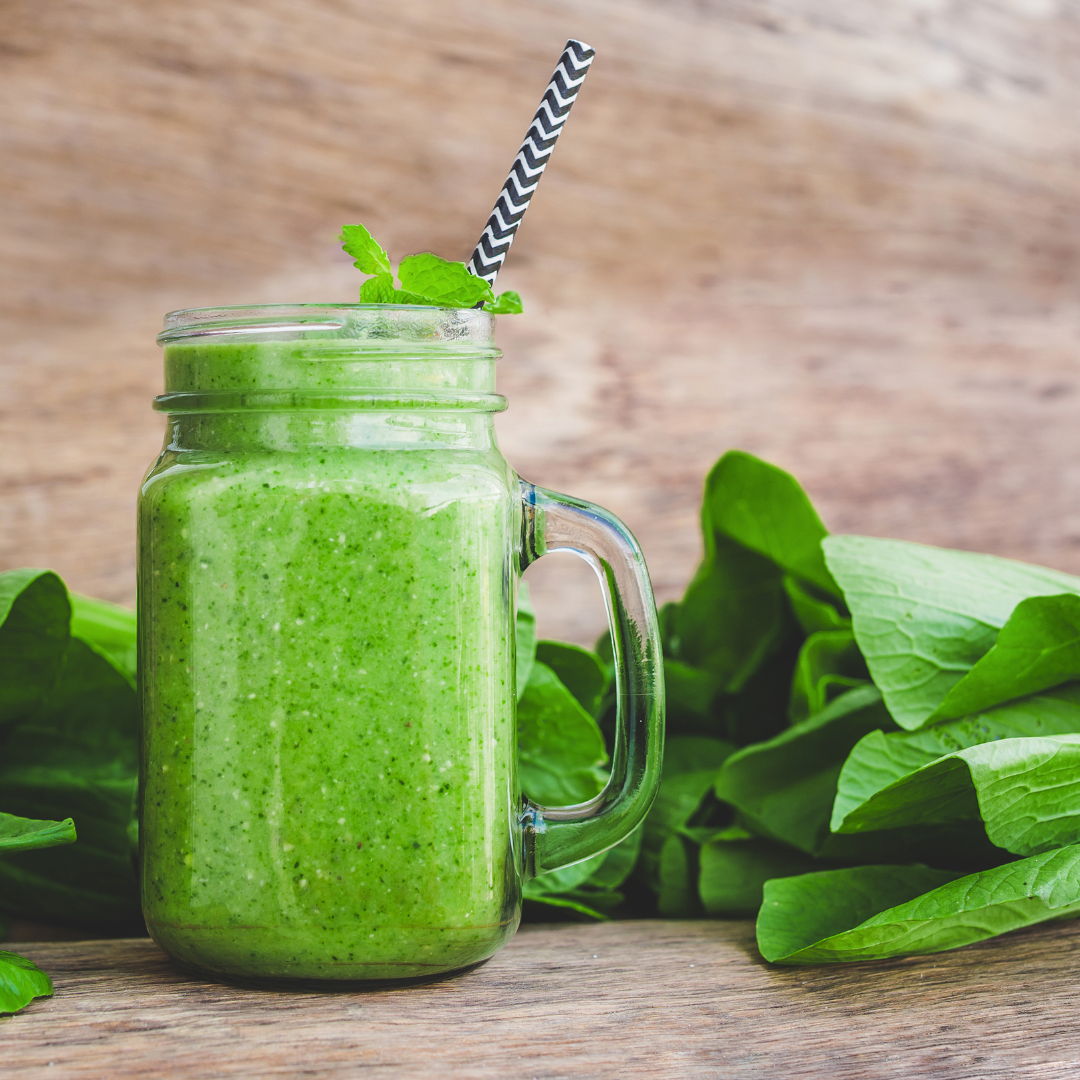

Spinach is a leafy vegetable that has been valued for centuries for its numerous health properties. Its intense green color is the result of the presence of chlorophyll, but this is only the beginning of its rich nutritional profile. Spinach, thanks to its content of various vitamins, minerals and antioxidants, can provide numerous health benefits. This article aims to present the properties of spinach, its nutritional value, health benefits, role in providing iron and practical tips on its storage.
Spinach - health properties
Spinach is not only a tasty addition to the diet, but also a unique source of many valuable nutrients. Its health properties are the result of the presence of numerous bioactive compounds that support various body functions. Spinach contains large amounts of vitamins A, C and K, as well as minerals such as magnesium, manganese and iron. Among the health properties of spinach, it is worth highlighting its anti-inflammatory and antioxidant properties. Its flavonoids and carotenoids, such as lutein and zeaxanthin, help protect cells from oxidative stress, which may support eye health and reduce the risk of chronic diseases such as heart disease and cancer. Spinach is also a source of dietary fiber, which promotes digestive health and may support weight management.Nutritional values of spinach - nutrients and vitamins present in spinach
Spinach is one of the richest sources of nutrients among leafy vegetables. 100 grams of fresh spinach provides approximately: Vitamin K: 483% of daily requirement – important for bone health and blood clotting function. Vitamin A: 56% of daily requirement – supports skin and vision health. Vitamin C: 47% of daily requirement – acts as an antioxidant and supports the immune system. Folate: 49% of daily requirement – important for cellular health and red blood cell production. Iron: 15% of daily requirement – important for the production of hemoglobin and oxygen transport in the body. Magnesium: 19% of daily requirement – supports muscle functions and the nervous system. Manganese: 43% of the daily requirement - plays a role in metabolism and cell protection. Spinach also contains fiber, which promotes digestive health, and various phytochemicals such as saponins and glycosides, which may have anti-inflammatory and anti-cancer effects.Is spinach healthy? Health benefits of eating spinach
Eating spinach has a number of health benefits. Thanks to the content of antioxidants such as vitamins A, C and E, spinach can support the protection of cells against damage caused by free radicals, which is important in the prevention of chronic diseases and cancer. Flavonoids found in spinach, such as ellagic acid and quercetin, have anti-inflammatory effects that may help reduce inflammation in the body. Additionally, spinach supports digestive health due to its high fiber content, which may help regulate intestinal peristalsis and prevent constipation. It also supports cardiovascular health by lowering cholesterol and blood pressure levels thanks to the presence of potassium and other nutrients. Research also suggests that regular consumption of spinach may support brain health by improving cognitive function and delaying the aging process, thanks to the presence of substances such as lutein and zeaxanthin, which have a positive effect on neuronal function.Spinach as a source of iron - how can spinach help maintain adequate iron levels?
Iron is an important mineral that plays a fundamental role in the production of hemoglobin and transporting oxygen to cells. Spinach, although not as rich in iron as red meat, is an important source of this mineral, especially for people on a plant diet. 100 grams of spinach provides about 2.7 mg of iron, which is a significant contribution to the daily demand. Iron in spinach is in non -ham, which means that its absorption is less effective than heme iron found in animal products. However, the presence of vitamin C in spinach promotes the absorption of iron, which is why eating spinach in combination with sources of vitamin C, such as citruses, can increase the bioavailability of this mineral.How to freeze spinach? Practical tips for freezing and storing spinach
Freeming spinach is an effective way to extend its durability and maintain nutritional value. Here are the steps that should be followed to properly freeze the spinach:- Choice of spinach - Choose fresh spinach without signs of moisture and damage. Wash the leaves thoroughly under running water to remove any impurities and sand.
- Blanching - Blanch spinach for 2-3 minutes in boiling water to neutralize enzymes that could affect the taste and texture after freezing. Then immediately move the leaves to a bowl with ice water to stop the cooking process.
- Drainage - Dry the spinach thoroughly, using paper towels or a salad to remove excess water.
- Packing - Spread blanched and dried spinach on a baking sheet in one layer to avoid sticking leaves. After freezing, transfer the spinach to the freezing bags or tight containers, removing excess air.
- Storage- Frozen spinach can be stored in the freezer for 10-12 months. To maintain its quality, avoid frequent opening of the freezer, which can lead to temperature fluctuations.
Sources
Boon, C. S., & L. D. Simpson (2017). "Nutritional and health benefits of spinach." Journal of Food Science and Technology, 54 (5), 1044-1056. Hargreaves, A. (2020). "Spins: a nutrient-dense vegetable with significant health benefits." Nutrition Reviews, 78 (7), 644-654. SIES, H., & Stahl, W. (2019). "Antioxidant Protection of Vegetables and Fruits." Current Opinion in Clinical Nutrition & Metabolic Care, 22 (6), 535-542.
Dietician
Karolina Dobrowolska-Zrałka
doktor nauk medycznych i nauki o zdrowiu, dietetyk kliniczny Absolwentka studiów I i II stopnia na kierunku dietetyka oraz doktorantka w Szkole Doktorskiej Uniwersytetu Medycznego we Wrocławiu
Więcej artykułów autoraLooking for a nutritious and filling meal?
Discover Supersonic Smart Meal! A nutritious meal you can prepare in seconds!

150 reviews


