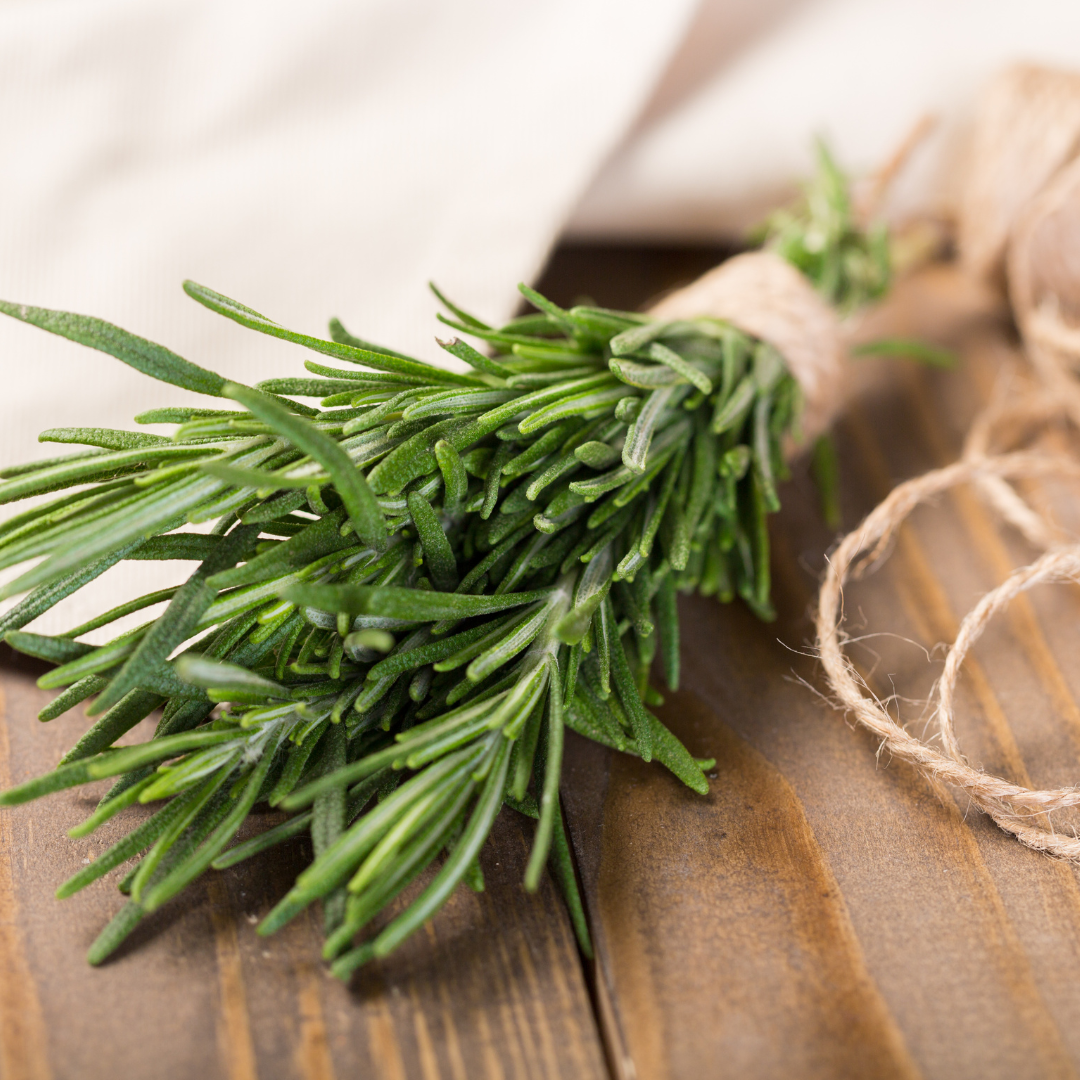

Rosemary (Rosmarinus officinalis) is a plant with a long history of use in medicine, cooking and cosmetics. Its health properties are widely researched, and the numerous benefits associated with its consumption and external use make it one of the most valuable herbs. In this article, we will take a closer look at the health benefits of rosemary, its uses in hair care, cooking, natural medicine, and potential side effects.
Rosemary - health benefits and medicinal properties
Rosemary is rich in bioactive compounds that contribute to its numerous health properties. In particular, rosemary is known for its antioxidant effects, which means it can neutralize free radicals in the body, reducing oxidative stress and the risk of chronic disease. Contains rosemary rosmarinic acid, carnosol, carnosic acid and flavonoids, which have strong anti-inflammatory and antioxidant properties. Studies have shown that these compounds can support heart health, improve circulation, and lower cholesterol and blood pressure. Additionally, rosemary is known to have neuroprotective effects, which means it can support cognitive function and protect the brain from damage. Scientific research also suggests that rosemary may have anti-cancer properties. Carnosol and carnosic acid have the ability to inhibit the growth of cancer cells and induce apoptosis, i.e. programmed death of cancer cells. Although further human studies are needed, the results are promising.Rosemary for hair - how does it affect the condition and growth of hair?
Rosemary is valued for its hair health-promoting properties. Rosemary oil is commonly used in hair care cosmetics due to its ability to stimulate hair growth and improve its condition. Rosemary oil can improve blood circulation in the scalp, which in turn stimulates hair follicles and promotes hair growth. Additionally, it has antibacterial and antifungal properties that can help fight dandruff and scalp infections.Practical tips on using rosemary for hair
- Massage with rosemary oil - Regularly massaging the scalp with rosemary oil can improve circulation and promote hair growth.
- Rosemary rinses - rosemary infusion rinses can make your hair shiny and improve its condition.
- Additive to shampoos and conditioners - rosemary oil can be added to shampoos and conditioners to enhance their care effects.
Rosemary - use in the kitchen and various applications
Rosemary is a popular herb in Mediterranean cuisine, where it is used to flavor meat, fish and vegetable dishes, as well as soups and sauces. Its intense, characteristic flavor goes perfectly with many ingredients, adding depth and aroma to dishes.Recipes with rosemary
Baked potatoes with rosemary: Diced potatoes mixed with olive oil, chopped garlic and fresh rosemary, baked until golden brown. Chicken with rosemary and lemon: Roasted chicken marinated in lemon juice, olive oil and fresh rosemary, served with roasted vegetables. Tomato soup with rosemary: Tomato soup enriched with a sprig of fresh rosemary, which adds a deep aroma. Rosemary can also be used to flavor olive oil, vinegar and to prepare teas and infusions. Its preservative properties mean it is used to extend the freshness of food.Potential negative reactions and how to avoid them
Although rosemary is generally considered safe, it may cause some side effects, especially when consumed in large amounts or used in concentrated form.Potential side effects of rosemary
Allergic reactions: In some people, rosemary can cause allergic reactions such as skin rashes, itching or difficulty breathing. Stomach irritation: Eating large amounts of rosemary can lead to stomach irritation, manifested by abdominal pain, nausea and vomiting. Drug interactions: Rosemary can affect some drugs, including anticoagulants, diuretics and hypertension. It is always worth consulting a doctor before starting supplementation. To avoid negative reactions, rosemary should be used in moderation and be aware of your own herb. In case of any disturbing symptoms, you should stop using and consult a doctor.The use of rosemary in natural medicine
- Rosemary infusion - Rosemary tea can help alleviate digestive problems such as flatulence and indigestion. It also has an analgesic effect and can support relaxation.
- Inhalations with rosemary - inhalations with the addition of rosemary oil can help in the treatment of respiratory tract infections, improving breathing and soothing the symptoms of colds.
- Compresses with rosemary - Compresses from rosemary infusion can be used for muscle pain and joints, bringing relief in inflammation.
- Rosemary is also a popular ingredient painkillers and anti -inflammatory preparations used externally, such as ointments and gels. Its antiseptic properties make it effective in treating small wounds and burns.
Rosemary in aromatherapy and cosmetics
Rosemary is widely used in aromatherapy and cosmetics, thanks to its refreshing and healing properties. Rosemary oil is valued for its stimulating and improving concentration. Rosemary essential oil is used in aromatherapy to improve concentration, reduce stress and fatigue. It can be used in diffusers, inhalers or added to the bath. Massages with the addition of rosemary oil can improve blood circulation, bringing relief in muscle and joint pain. Rosemary is also a component of many skin care cosmetics, such as creams, tonics and masks. Its antiseptic and antioxidant properties help in the fight against acne and skin aging. Shampoos, nutrients and hair oils with rosemary can improve hair condition, strengthening it and preventing falling out.Summary
Rosemary is a versatile herb that offers numerous health benefits and applications. Its antioxidant, anti -inflammatory and memory properties make it a valuable addition to diet and natural medicine. The use of rosemary in hair, kitchen, cosmetics and aromatherapy emphasizes its versatility and effectiveness. However, remember to use it in moderation and be aware of potential side effects.Sources
Morales, M. R., & Simon, J. E. (1996). 'Essential oil composition of Rosemary (Rosmarinus officinalis)'. Plant Physiology and Biochemistry. BakiRel, T., Bakarel, U., Keleş, O. U., ülgen, S. G., & Yardibi, H. (2008). 'In vivo assessment of antidiabetic and antioxidant activity of rosemary (rosmarinus officinalis) in alloxan-diabetic rabbits'. Journal of Ethnopharmacology. Pengelly, A., Snow, J., Mills, S. Y., Scholey, A., Wesnes, K., & Butler, L. R. (2012). 'Short-Term study on the effect of rosemary on cognitive function in an elderly population'. Journal of Medicinal Food. Posadas, S. J., Caz, V., Largo, C., De la Gandara, B., Matallanas, B., Reglero, G., & de Miguel, E. (2009). 'Antiinflammators Activity of Carnosol and Carnosic Acid, Two Redox-Modulation compounds from Rosemary'. European Journal of Nutrition.
Dietician
Karolina Dobrowolska-Zrałka
doktor nauk medycznych i nauki o zdrowiu, dietetyk kliniczny Absolwentka studiów I i II stopnia na kierunku dietetyka oraz doktorantka w Szkole Doktorskiej Uniwersytetu Medycznego we Wrocławiu
Więcej artykułów autoraLooking for a nutritious and filling meal?
Discover Supersonic Smart Meal! A nutritious meal you can prepare in seconds!

150 reviews
![Ranking kreatyny [2026] - TOP 10 produktów, które warto znać](http://supersonicfood.com/cdn/shop/articles/kreatyna-ranking_c1a64d3a-0854-4df3-8a54-c034300baab7.jpg?format=webp&v=1786623654&width=1100 "Ranking kreatyny [2026] - TOP 10 produktów, które warto znać")


