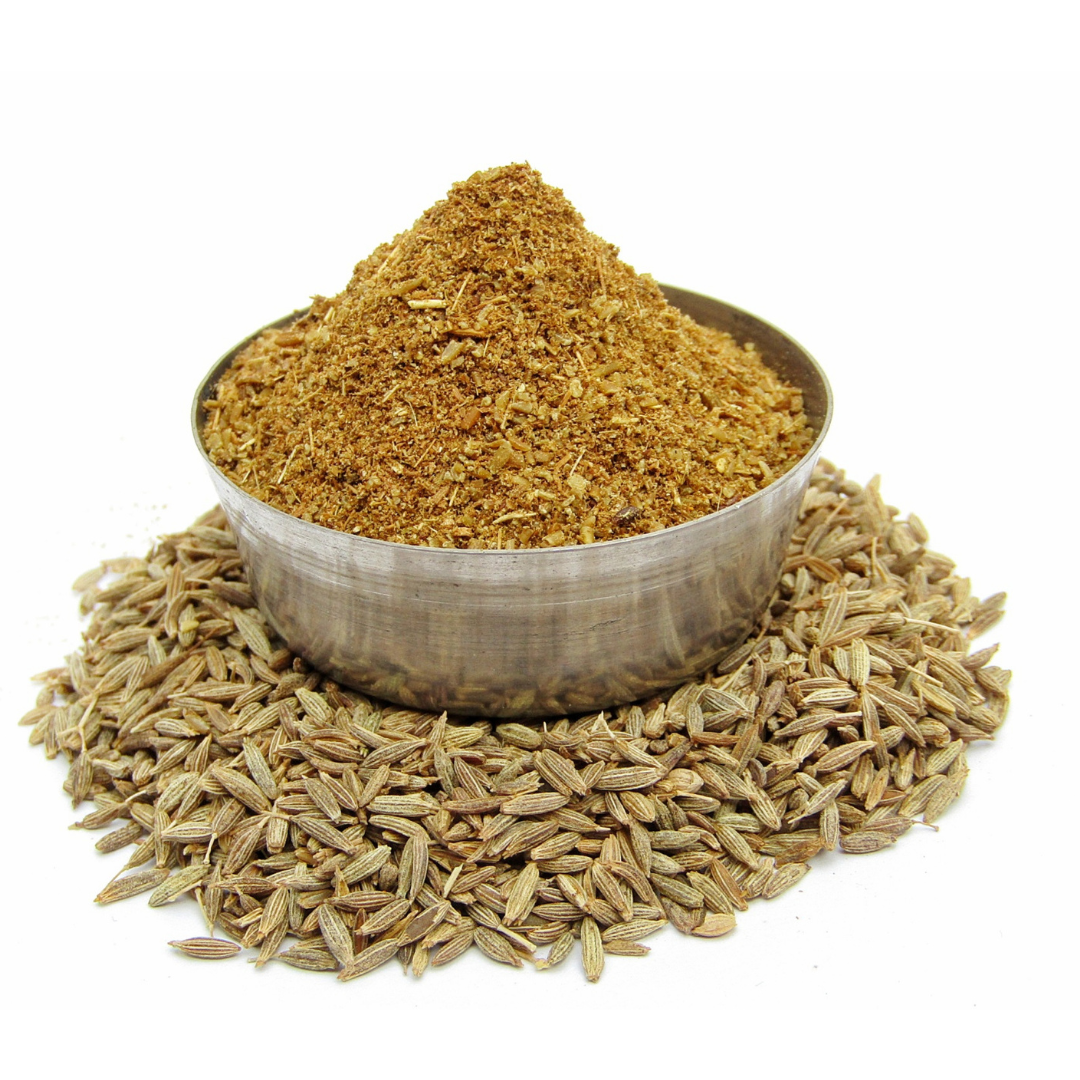

Roman cumin (Cuminum Cyminum) is one of the oldest spices used in cuisines around the world, as well as in folk medicine. He is known for its characteristic, intense taste and aroma, which gives the dishes a unique character. In addition to culinary values, Roman cumin also has numerous health -promoting properties, which makes it worth taking a closer look at this extraordinary spice.
How to use Roman cumin? Practical advice
Roman cumin can be used in many different ways, both in the kitchen and for health purposes. Here are some practical tips on how to use this spice effectively:- In the form of seeds - Roman cumin seeds can be added directly to dishes such as curry, soups or stews. It is worth gently roasting before adding to the dish to bring out the full aroma.
- Ground Roman cumin - The ground version of this spice is often used for seasoning meats, fish and vegetables. It can also be added to sauces, marinades and dressings.
- Infusions and teas - Roman cumin can be used in the form of infusions. It is recommended to pour a teaspoon of seeds with boiling water and leave to stretch for about 10 minutes. Such an infusion can support digestion and relieve stomach ailments.
- Roman cumin oil - It is available in the form of oil, which can be used both internally and externally. This oil has anti -inflammatory and antioxidant effects.
Roman cumin - nutritional properties and health benefits
Roman cumin is rich in vitamins and minerals that are important for health. The most important nutrients of Roman cumin include B vitamins, vitamin E and vitamin C, which support the immune system and metabolism. In addition, Roman cumin is a source of iron, magnesium, calcium and phosphorus, which is important for bone, teeth and circulatory system health. High dietary fiber content supports digestion and prevents constipation. In addition, Roman cumin contains numerous antioxidants, such as quercetin, which help in the fight against free radicals and prevent cell damage.The health benefits of eating Roman cumin include
The health benefits resulting from the consumption of Roman cumin include the support of the digestive system, because Roman cumin stimulates the secretion of digestive enzymes, which facilitates digestion and absorption of nutrients. It also improves immunity thanks to the vitamins and antioxidants contained in it, which support the functioning of the immune system. Roman cumin also has anti -inflammatory properties that can alleviate inflammation in the body. In addition, studies show that Roman cumin can help regulate blood glucose, which is beneficial for people with diabetes.
Roman cumin - contraindications and when to avoid it
Despite the numerous health benefits, Roman cumin is not suitable for everyone. Contraindications for its use include:- Allergies: People allergic to plants from the celery family (Apiaceae), to which Roman cumin belongs, should avoid this spice.
- Pregnancy and breastfeeding: High doses of Roman cumin may not be recommended for pregnant and breastfeeding women, so you should consult a doctor before consumption.
- Liver and kidney disease: People with severe liver and kidney diseases should avoid excessive intake of Roman cumin, as this may burden these organs.
Side effects - what to look for when using Roman cumin?
Roman cumin, although safe for most people, can cause side effects, especially with excessive consumption. The most common side effects include:- Stomach problems - Excessive consumption of Roman cumin can lead to abdominal pain, nausea and diarrhea.
- Drug interactions - Roman cumin can affect some drugs, such as anticoagulants. People taking such drugs should consult a doctor before the consumption of Roman cumin.
- Allergic reactions - Allergic reactions such as rash, itching or swelling may occur in sensitive people.
Roman cumin and cumin - differences and similarities between these spices
Roman cumin and cumin - the differences and similarities between these spices are significant, despite the fact that cumin and cumin are often confused due to a similar name and appearance.
Roman cumin It has an intense, earthy taste and smell, while caraway seed It is characterized by a more herbal, anise aroma. Both spices have similar nutritional properties, but Roman cumin contains more iron. Roman cumin is widely used in Middle Eastern, Indian and Latin American cuisines, while cumin is popular in European cuisines, especially in Germany and Poland.
Summary
Roman cumin is a versatile spice with many health benefits. Thanks to the richness of vitamins, minerals and antioxidants, it supports the digestive system, strengthens immunity and has anti -inflammatory properties. However, like any spice, it should be used in moderation, especially in people with specific diseases. A comparison of Roman cumin with cumin allows for a better understanding of the differences and culinary capabilities of both spices.Sources
Kumar, V., et al. (2013). "Nutritional and health benefits of cumin." Journal of Medicinal Plants Research. Gupta, S., et al. (2014). "Antioxidant Properties of Cumin: A review." Journal of Food Science and Technology. Singh, R., et al. (2012). "Therapeutic Effects of Cumin: A review." Journal of Ethnopharmacology. Chopra, A., et al. (2011). "Cumin and it medical property." Pharmacognosy Review.
Dietician
Karolina Dobrowolska-Zrałka
doktor nauk medycznych i nauki o zdrowiu, dietetyk kliniczny Absolwentka studiów I i II stopnia na kierunku dietetyka oraz doktorantka w Szkole Doktorskiej Uniwersytetu Medycznego we Wrocławiu
Więcej artykułów autoraLooking for a nutritious and filling meal?
Discover Supersonic Smart Meal! A nutritious meal you can prepare in seconds!

150 reviews
![Ranking kreatyny [2026] - TOP 10 produktów, które warto znać](http://supersonicfood.com/cdn/shop/articles/kreatyna-ranking_c1a64d3a-0854-4df3-8a54-c034300baab7.jpg?format=webp&v=1786623654&width=1100 "Ranking kreatyny [2026] - TOP 10 produktów, które warto znać")


