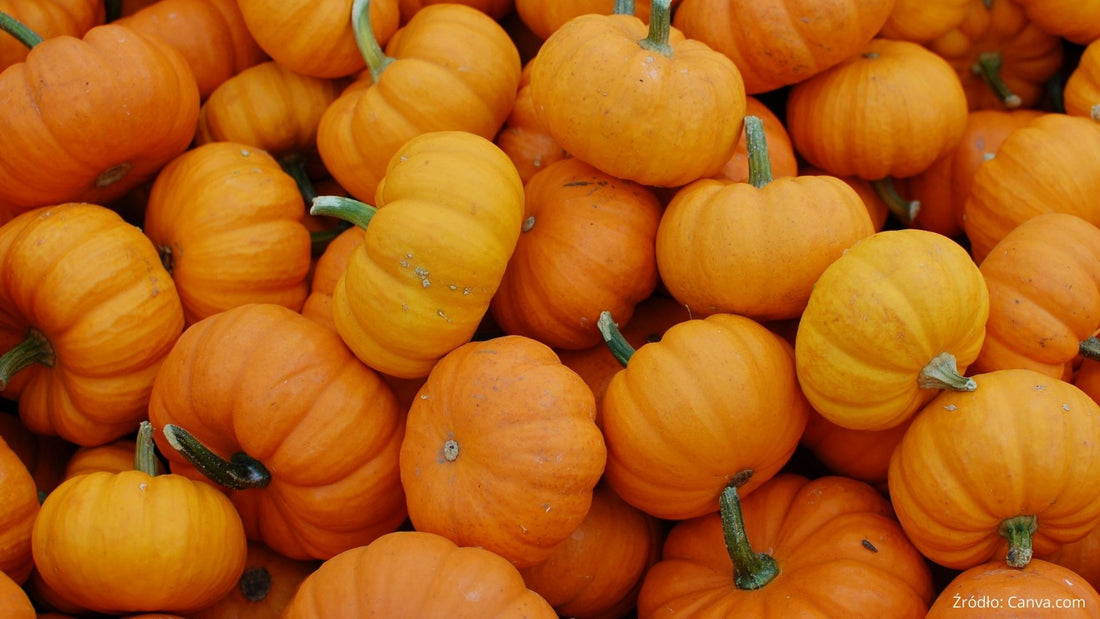

Pumpkin is a vegetable that is very popular due to its taste and wide culinary use. In addition to the delicious taste, pumpkin is a rich source of nutrients that have a positive effect on health. Its low caloric content, high content of vitamins, minerals and antioxidants make it a valuable element of a healthy diet. Regardless of whether it is consumed in the form of soup, baked or in desserts, pumpkin offers wide health benefits. So let's take a closer look at its properties and understand why it is such a good choice for people who care about health.
Pumpkin health properties - health and taste in one vegetable
Pumpkin is a vegetable that not only enjoys popular in the kitchen, but also is distinguished by a wealth of nutritional values, supporting health on many levels. It is low -calorie, and at the same time full of vitamins, minerals and antioxidants that have a beneficial effect on the body. Thanks to the comprehensive use in the kitchen, pumpkin can be a perfect addition to a diverse diet, especially for people who care about a healthy figure and general health. Pumpkin has a supporting effect, digestive system and eye health, which makes it an extremely valuable component of the daily menu. Its orange flesh contains large amounts of beta-carotene, which in the body transforms into vitamin A-important for the proper functioning of sight and skin. Pumpkin consumption can also support the detoxification of the body, improve intestinal peristalsis and anti -inflammatory. In turn, low -calorie and high water content make pumpkin an ideal vegetable for people on a reduction diet.Pumpkin and carbohydrates - how it affects the carbohydrate balance of the body
Pumpkin is a vegetable with a low carbohydrate content, which makes it a great choice for people who care about maintaining a stable blood sugar level. There are only about 7 g of carbohydrates per 100 g of pumpkin, most of which are complex carbohydrates. Thanks to this, pumpkin consumption does not cause rapid jumps in blood glucose, which is important for people struggling with diabetes or insulin resistance. Complex carbohydrates contained in the pumpkin are digested slowly, which promotes a longer feeling of satiety, while providing the body with energy in a stable way. This means that pumpkin can be a valuable element of the diet of physically active people, as well as those who need a sustainable energy balance throughout the day.Pumpkin in the diet to maintain weight - low -calorie choice with additional benefits
One of the most important advantages of pumpkin in the context of weight control is its low calorie. There is only about 26 kcal per 100 g of pumpkin, which means that it can be consumed in larger quantities without risking excessive calorie supply. In addition, pumpkin contains a large amount of water (over 90%), which supports the hydration of the body and contributes to the feeling of satiety without burdening the digestive system. Thanks to the high fiber content, pumpkin supports digestion and improves intestinal peristalsis, which is important in the weight loss process. Fiber also contributes to the regulation of blood glucose, which is beneficial for people trying to maintain stable weight. Therefore, including pumpkin into the diet can support maintaining healthy body weight, while providing valuable nutrients.Vitamins in pumpkin - discover what nutrients contain
Pumpkin is a rich source of vitamins and minerals that play an important role in maintaining the correct functions of the body. The most important vitamins present in the pumpkin are:- Vitamin A (beta-carotene): Pumpkin contains large amounts of beta-carotene, which in the body transforms into vitamin A. This vitamin supports the proper functioning of the eye, and also affects the health of the skin and the immune system.
- Vitamin C: It is a strong antioxidant that supports the immune system, accelerates tissue regeneration and protects the body against oxidative stress.
- Vitamin E: It acts as an antioxidant, protecting cells from damage, supports skin health and cardiovascular system.
- B vitamins (B1, B2, B6, folic acid): These vitamins support normal energy metabolism, the functioning of the nervous system and the production of red blood cells.
Pumpkin and digestive system - support the intestinal health and digestion naturally
One of the advantages of the pumpkin is its positive effect on the digestive system. Thanks to the high content of dietary fiber, pumpkin supports intestinal peristalsis, which helps maintain regular bowel movements and prevents constipation. Fiber also acts like a natural prebiotic, supporting the development of favorable intestinal bacteria, which is important for maintaining a healthy intestinal microflora. Pumpkin consumption can also help to alleviate inflammation in the digestive tract and support digestion in people with a sensitive digestive system. Thanks to its delicate taste and light consistency, pumpkin is easy and well tolerated by most people, which makes it an ideal component of diet in case of digestive problems.Pumpkin as a source of antioxidants - protection against harmful free radicals
Pumpkin is rich in antioxidants, such as beta-carotene, vitamin C and vitamin E, which protect cells against damage caused by free radicals. Antioxidants neutralize these harmful molecules, reducing the risk of cell damage that can lead to the development of chronic diseases, including cancer, atherosclerosis and neurodegenerative diseases. Beta-carotene, which gives the pumpkin a characteristic orange color, is one of the strongest antioxidants. Its anti-inflammatory and protective effect is particularly important in the prevention of cardiovascular diseases and in delaying the aging process.Pumpkin and eye health - benefits for good visual acuity
One of the most important advantages of pumpkin is its positive impact on eye health. Thanks to the high content of beta-carotene, which transforms into the body into vitamin A, pumpkin supports the proper functioning of the eye. Vitamin A is important for volleyball health and helps to maintain good visual acuity, especially in low light conditions. Pumpkin consumption can also help reduce the risk of cataract and macular degeneration - diseases that are the main causes of vision loss in the elderly. Lutein and zeaxanthin, present in the pumpkin, play the role of natural filters that protect their eyes against the harmful effects of UV radiation, which further supports the health of the organ.Summary
Pumpkin is an extremely valuable vegetable that should find a permanent place in a healthy diet. Thanks to the richness of vitamins, minerals and antioxidants, pumpkin supports eye, digestive and cardiovascular health. It is low -calorie, which makes it an ideal choice for people who care about the line, and its high fiber content further supports intestinal health. Pumpkin consumption can contribute to improving the overall health condition, support the body's detoxification processes and protect against oxidative stress. Including the pumpkin in the daily diet is a tasty and healthy way to support the body.Sources
Murillo, G., & Mehta, R. (2001). Cruciferous Vegetables and Cancer Prevention. Journal of Nutrition, 131 (1), 299S-302S. Pal, S., & Ellis, V. (2010). The Chronic Effects of Flavonoids on Glycaemic Control in Type 2 Diabetes: A Meta-Analysis. Diabetes Care, 33 (6), 1243-1249. Gropper, S., Smith, J., & Groff, J. (2008). Advanced Nutrition and Human Metabolism. Wadsworth publishing. Song, W. O., & Chun, O. K. (2008). Antioxidant status of fruits and vegetables: the case of lutein and zeaxanthin. Nutrition Reviews, 66 (11), 645-660.
Dietician
Karolina Dobrowolska-Zrałka
doctor of medical sciences and health sciences, clinical dietitian A graduate of first and second cycle studies in dietetics and a doctoral student at the Doctoral School Medical University of Wrocław
Więcej artykułów autoraLooking for a nutritious and filling meal?
Discover Supersonic Smart Meal! A nutritious meal you can prepare in seconds!

5| 193 reviews


