
Mullein (Verbascum) is a plant with a long tradition of use in folk medicine, valued for its healing properties. Known primarily for soothing effect on the respiratory system, mullein is used to treat various ailments, from coughing to skin inflammation. Thanks to the presence of numerous bioactive substances, such as saponins, flavonoids or locks, mullein can be an effective health supporting agent. In the article below, we will look in detail with its properties, applications and contraindications.
Mullein - what are its characteristic properties and features?
Mullein is a perennial plant that is distinguished by its high stalk, often reaching up to 2 meters. At the top of the stem there are golden yellow flowers, which are the main part used in herbal medicine. Mutched flowers are rich in mucosa, which have a protective effect on mucous membranes, which is particularly beneficial for throat irritation or cough. In addition, saponins contained in Dziewan contribute to the thinning of mucus in the respiratory tract, making it easier to cut off. This plant is also a source of flavonoids that have antioxidant, antiviral and anti -inflammatory effects. This means that mullein can be helpful not only in alleviating the symptoms of colds, but also in the prevention of chronic diseases associated with oxidative stress.What does mullein look like? Description of the appearance and reconnaissance of the plant
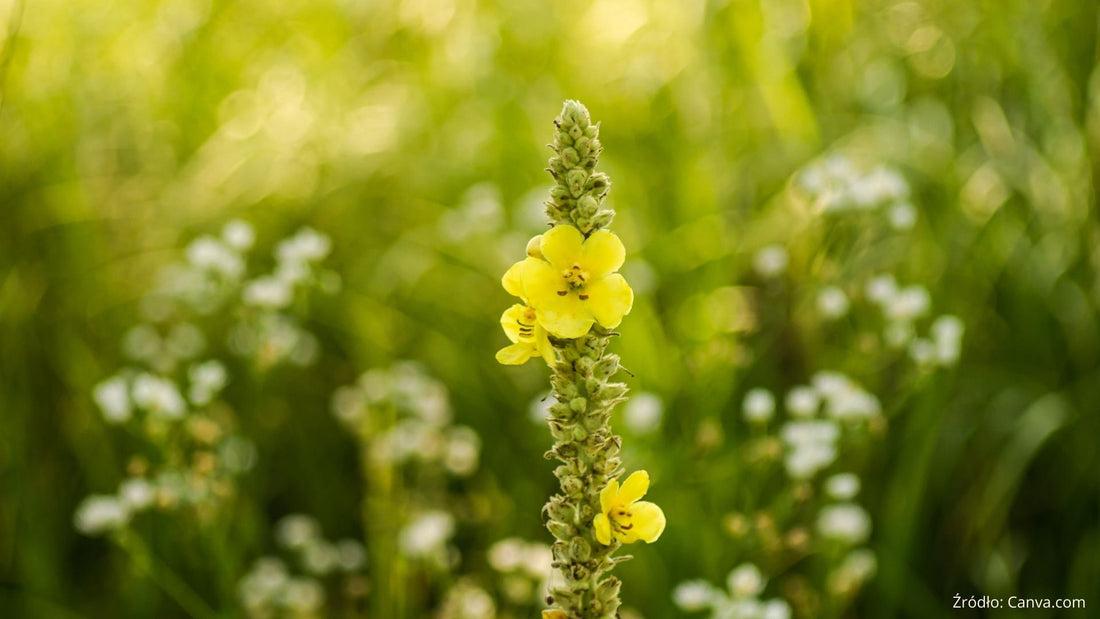
Mullein is an easily recognizable plant thanks to its impressive height and characteristic yellow flowers. Her stem is simple, thick and covered with soft hair. The mullein leaves are large, elliptical and also covered with delicate hair, which gives them a silvery look. Flowers are collected in long inflorescences, which decorate the top of the stem throughout the summer. Each mullein flower consists of five petals and is rich in pollen, which makes the plant attractive for bees and other pollinating insects. Thanks to this appearance, mullein is not only a valued medicinal plant, but also a decoration of gardens, especially those that promote the natural environment.Mullein - what are its healing properties? Potential benefits for health
Mullein is valued primarily for her expectorant properties, which makes it a popular remedy in the treatment of coughing, bronchitis and other respiratory diseases. The locks present in mullein flowers form a protective coating on mucous membranes, soothing irritations and facilitating breathing. In addition to acting on the respiratory system, mullein also has anti -inflammatory and antiseptic properties. The use of infusions or compresses from mullein can accelerate wound healing, reduce skin inflammation and support the treatment of infection. In folk medicine, Mullein was also used as an analgesic, especially with rheumatic pain and neuralgia.Contraindications regarding mullein - when caution should be exercised or avoiding its use
Despite the numerous health benefits, mullein is not suitable for everyone. First of all, people allergic to plants from the lepers' family (scrophulariaceae) should avoid its use so as not to cause allergic reactions. In addition, pregnant and breastfeeding women should consult a doctor before starting the use of preparations containing maiden, because there is a lack of sufficient research on her safety in these groups. The use of mullein in excessive amounts can lead to gastrointestinal irritation, which is why it is recommended to observe dosage recommendations. People with chronic diseases, especially kidneys or liver, should also consult medical advice before starting the treatment using mullein.Mullein - in what cases can it be effective? Application and therapeutic possibilities
Mullein is used in the treatment of many diseases, both internal and external. Its expectorant properties make it a valuable remedy in the therapy of colds, flu, bronchitis and asthma. It soothes the irritated throat, soothes cough and supports the cleaning of the respiratory tract. Externally, mullein can be used in the form of compresses or ointments for inflammation of the skin, burns, wounds and rheumatism. Thanks to anti -inflammatory and antiseptic effects, it accelerates wound healing and reduces the risk of infection. In some cultures, mullef is also used as a reliever pain in menstrual pain and to regulate the menstrual cycle.Summary
Mullein is a plant with a rich tradition and versatile healing properties. It can be used both internally and externally, supporting the health of the respiratory system, skin and soothing various types of pain. However, like any medicinal plant, mullein should be used with caution, especially for people with contraindications. It is always worth consulting a doctor before starting to use it to avoid potential side effects.Sources
Kowal-Gierczak, B., & Wójcik, K. (2018). Medicinal plants in folk medicine. Folk Medicine, 45 (3), 123-134. Nowak, R. (2020). Flavonoids of medicinal plants and their biological effects. Medical Publisher. Zieliński, J., & Adamczak, A. (2019). Expectorant properties of herbs used in folk medicine. Fitotherapy, 67 (2), 78-85.
Dietician
Karolina Dobrowolska-Zrałka
doktor nauk medycznych i nauki o zdrowiu, dietetyk kliniczny Absolwentka studiów I i II stopnia na kierunku dietetyka oraz doktorantka w Szkole Doktorskiej Uniwersytetu Medycznego we Wrocławiu
Więcej artykułów autoraLooking for a nutritious and filling meal?
Discover Supersonic Smart Meal! A nutritious meal you can prepare in seconds!

150 reviews
![Ranking kreatyny [2026] - TOP 10 produktów, które warto znać](http://supersonicfood.com/cdn/shop/articles/kreatyna-ranking_7761d184-412b-41bd-a3d8-9ec987371803.jpg?format=webp&v=1786453631&width=1100 "Ranking kreatyny [2026] - TOP 10 produktów, które warto znać")


