

Proper dissolution matchy determines its taste, consistency and quality of action, because the method of preparation affects the bitterness, structure of the drink and the perception of aroma. Matcha is a very finely ground powder from green tea leaves, which does not dissolve in water like instant coffee, but forms a suspension. This means that mixing technique and water temperature are crucial to achieving a smooth, uniform consistency. Mistakes at this stage lead to lumps, excessive bitterness and discouragement at the first contact with the drink. High-quality matcha has a natural, plant-based sweetness and delicate creaminess, but only when prepared properly. A conscious approach to proportions, temperature and mixing method allows you to bring out its full character and avoid typical beginner problems.
Recommended products

Why doesn't matcha dissolve like regular tea?
Matcha it is not an infusion, but ground tea leaves in the form of a very fine powder. The particles do not dissolve completely in water because they are not an extract, but a complete plant raw material. Combining the powder with water creates a suspension that requires mechanical spreading. This is why vigorous mixing is necessary to obtain a uniform structure. Lack of proper technique causes lumps to form, which worsen the taste and texture of the drink. Good quality matcha has a very fine structure, which makes it easier to spread, but even the best raw material requires a proper preparation method. Understanding that matcha does not "dissolve" but "spreads" helps avoid false expectations and improves your first experience with the drink.
Water temperature and the taste and properties of matcha
Water temperature directly affects the taste and sensory profile of matcha. Pouring boiling water over the powder leads to the release of excessive bitterness and disturbs the flavor balance. The optimal temperature range is around 70-80°C. In this range, the delicate plant sweetness and characteristic umami are preserved. Too high a temperature not only worsens the taste, but also affects the stability of some bioactive compounds. Moderately heating the water allows you to extract the aroma and maintain the velvety structure of the drink. For beginners, the best solution is to boil water and wait about two minutes before pouring the powder. Temperature control is one of the most important elements of the correct preparation of matcha and directly determines its sensory quality.
Recommended products


Mixing technique – the key to a smooth consistency
Vigorous mixing of matcha with movements resembling the letter "M" or "W" allows you to obtain a uniform suspension and a delicate foam on the surface. Traditionally, a bamboo chasen whisk is used, which distributes the powder evenly and aerates the drink. You can also use a small kitchen whisk or milk frother if you don't have a traditional accessory. The key is quick, short mixing, not slow swirling with a spoon that doesn't eliminate lumps. Sifting the powder before pouring further improves the structure and prevents caking. The correct technique affects not only the consistency, but also the taste sensation, because the evenly distributed powder ensures a consistent aromatic profile throughout the entire volume of the drink.
Proportions of matcha to water – how to choose the intensity?
The standard dose is 1-2 grams of powder per 100-150 ml of water. A smaller amount provides a milder taste and works well for people starting their adventure with matcha. A larger portion gives a more intense flavor profile and a stronger energy effect. Controlling the proportions allows you to adjust the drink to your individual preferences and caffeine tolerance. Excessive amounts of powder lead to too dense a structure and a distinct bitterness, which is often mistakenly interpreted as a product defect. Maintaining the right balance between the amount of powder and the volume of water ensures a harmonious taste and optimal functional effect. Regular use of the same proportions builds repeatability of the experiment and allows for a better assessment of the quality of the raw material.
The most common mistakes when dissolving matcha
The most common mistakes include pouring boiling water, not sifting the powder, and not mixing enough. Each of these elements leads to deterioration of the taste and structure of the drink. Using cold water makes it difficult to obtain a uniform consistency and causes noticeable lumps. Adding large amounts of sugar masks the natural flavor and disrupts the functional character of matcha. The poor quality of the powder also makes it difficult to spread properly and causes excessive bitterness. Eliminating these errors significantly improves the sensory experience and allows you to fully use the drink's potential. The correct preparation technique determines whether matcha will be perceived as a demanding drink or as a conscious element of the daily routine.
FAQ – most frequently asked questions
Can matcha have lumps?
Lumps result from lack of screening of the powder or insufficient mixing.
Can you use milk instead of water?
Matcha can be combined with milk, but the basic form of preparation uses water at a controlled temperature.
Can matcha be mixed with a spoon?
The spoon does not provide adequate aeration and even distribution of the powder.
How long to mix matcha?
Mixing should last several seconds and be intense to obtain a smooth structure.
Sources
NIH – Green Tea – Composition and Preparation. EFSA – Scientific opinion on green tea catechins. Chen Z.M. et al. Tea processing and bioactive compounds. Journal of Agricultural and Food Chemistry. Khan N., Mukhtar H. Tea polyphenols and health. Life Sciences.

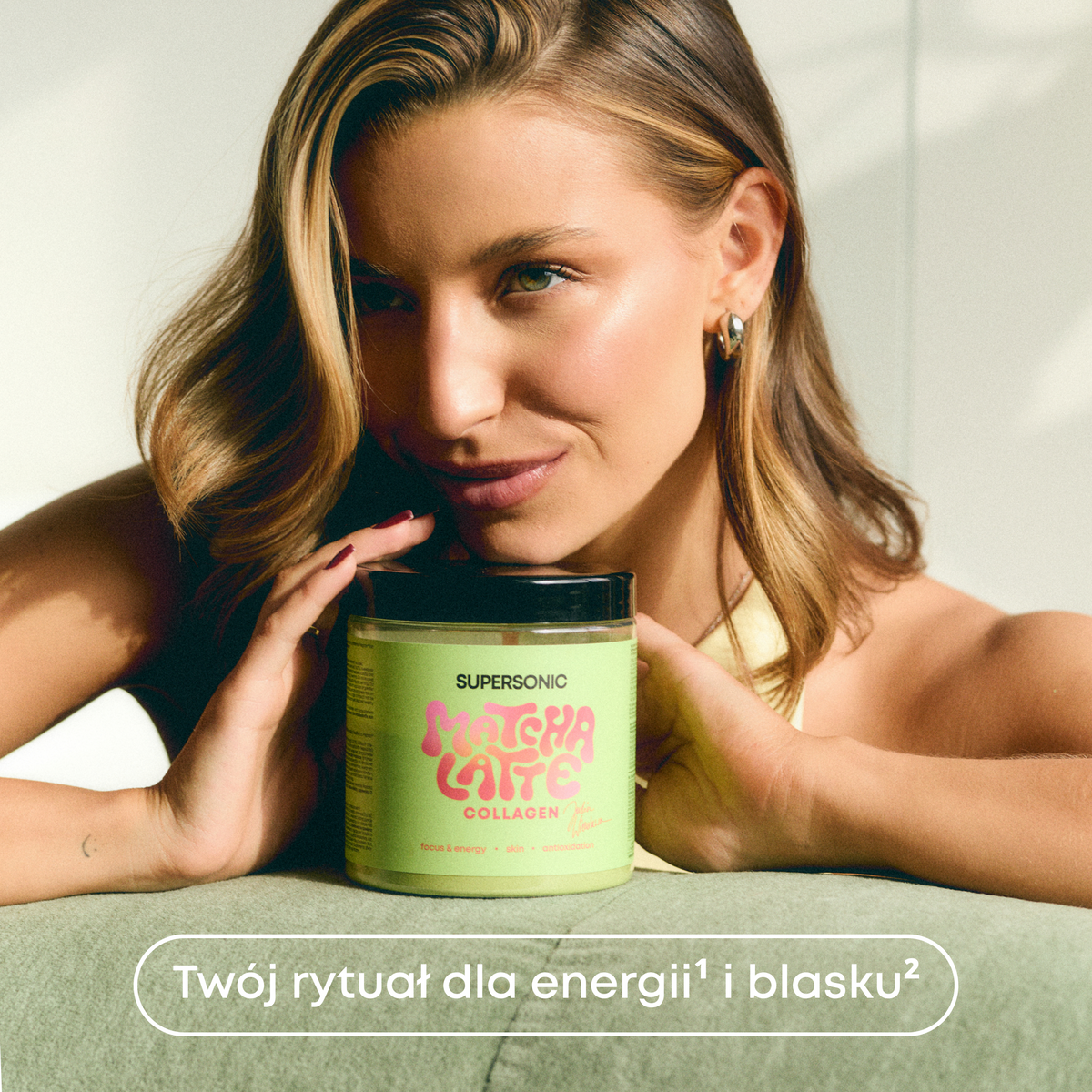
Matcha Latte Collagen
Gotowy napój matcha latte z mlekiem kokosowym i skutecznym kolagenem


